Kundetilpasset Overstøpt Kabelmontasjeprodusent for Robuste og Kontrollerte Installasjoner
NorKab produserer kundetilpasset overstøpte kabelmontasjer for team som trenger sterkere kontaktoverganger, renere kabelutganger, bedre støtte for tetting og repeterbar produksjonskontroll. Vi bygger overstøpte kabelprogrammer for industrielt utstyr, medisinske enheter, automatiseringssystemer og andre produkter der en standard kabelfinish ikke er robust nok.
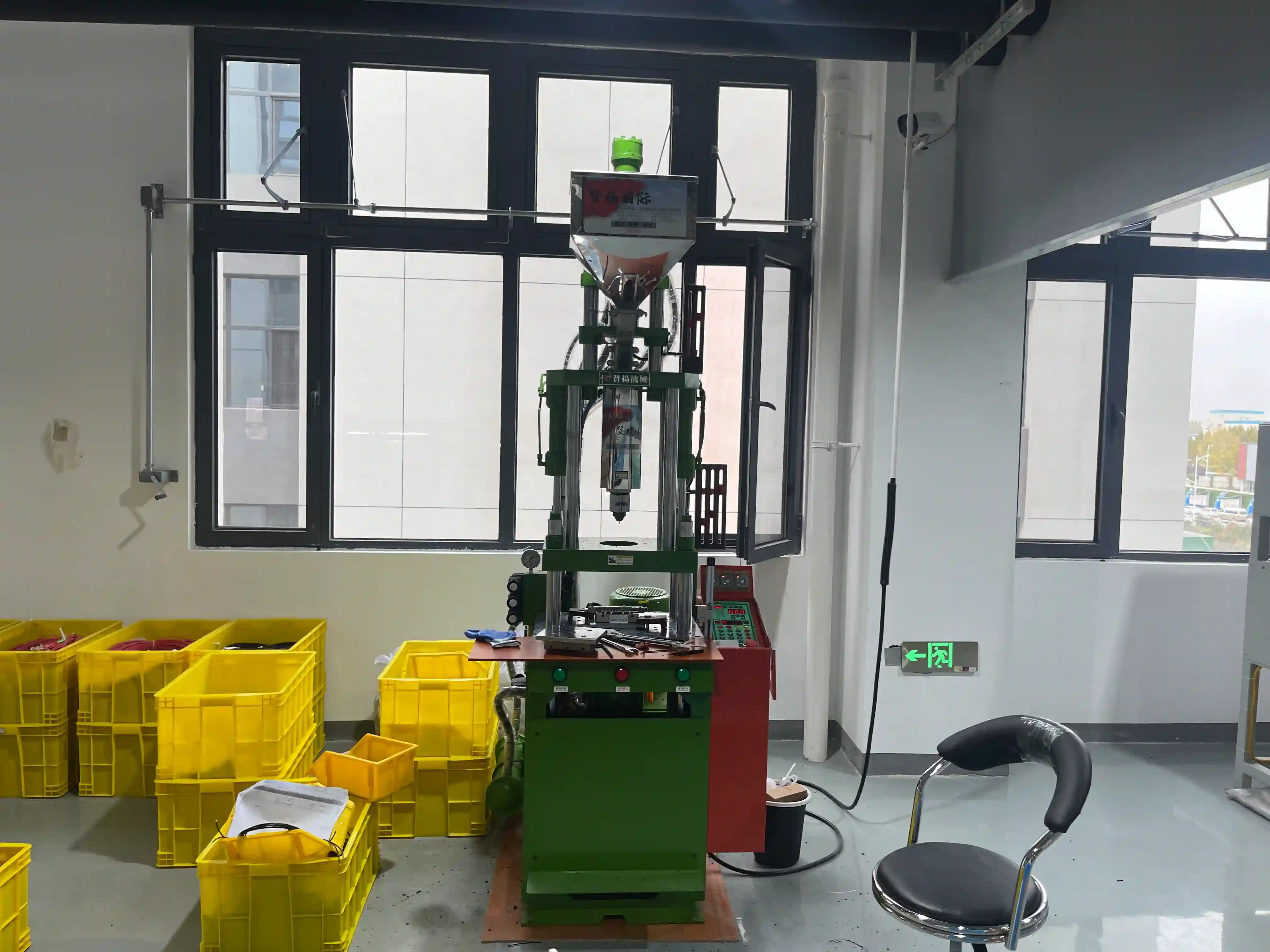
Hvorfor kjøpere velger overstøpte kabelmontasjer
Overstøpte kabelmontasjer gir mening når kabelutgangen er en funksjonell del av produktet, ikke bare en kosmetisk detalj. Overstøping kan vurderes når gjentatt håndtering, kabelføring, inntrengningsfare eller belastning ved kontakten krever mer beskyttelse enn en standard kabelmansjett eller krympestrømpe gir.
Overstøping beskytter feilsonen bak kontakten
De fleste kabelfeil starter ikke i lederbunten. De starter der kabel, kontakt, bøyeradius og operatørhåndtering møtes. Kundetilpasset overstøping forsterker den overgangen med bedre strekkavlastning, geometrikontroll og et mer stabilt installasjonsgrensesnitt.
En overstøpt kabelmontasje må designes som et kabelsystem
Materialvalg, verktøygeometri, kontaktholdekraft, vedheft til kabelkappen og servicemiljø spiller alle sammen. En pen overstøpt del er ikke nok hvis kabelen går ut i feil vinkel eller materialet ikke matcher varme, olje, rengjøringsmidler eller bøyesykluser.
Nyttig for tetting, føring og merkevarespesifikk geometri
Kundetilpasset overstøpte kabelmontasjer velges ofte når standard boots og krympestrømpe ikke gir nok tetting, trekkbeskyttelse eller emballasjekontroll. De hjelper også team å låse en repeterbar kabelutgang for kompakt utstyr og panel-vendte produkter.
Prototyplæring bør flyte direkte inn i produksjon
Vi bruker prototype-kabelmontasjer for å validere passform, overstøpningsdimensjoner, kabelutgangsretning og prosessrisiko før produksjonsverktøy og arbeidsinstrukser fryses. Det reduserer sen rework når volumet øker.
Vanlige formater for kundetilpasset overstøpte kabelmontasjer
Riktig overstøpt format avhenger av hva overstøpingen forventes å gjøre. Noen programmer trenger mekanisk forsterkning. Andre trenger bedre støtte for tetting, en definert bøyebane eller en emballasjeform som passer tett rundt produkthuset.
Kontakt-ende overstøpte kabelmontasjer
Brukes når kontaktovergangen trenger sterkere strekkavlastning, renere kabelutgang og bedre motstand mot gjentatt håndtering.
Forseglet overstøpte kabelovergang
Relevant der kabelen går inn i utstyrshus, feltenheter eller eksponerte føringssoner som trenger forbedret tetting og redusert risiko for fuktinntrengning.
Split- og gren-overstøpte kabelmontasjer
Nyttig når én kabelmontasje trenger en kontrollert forgrening, definert grengeometri eller en overstøpt skjøt i stedet for løse hylser og tape-oppbygging.
Robust kabelmontasjer med blandede ender
Brukes på programmer som kombinerer data, signal eller strøm med prosjektspesifikke kontaktkombinasjoner, paneloverganger eller kundetilpasset kabelutganger.
Typisk teknisk- og produksjonsomfang
| Overstøpningsmaterialer | TPE, TPU, PVC, silikon og applikasjonsdrevne forbindelser |
| Kabeltyper | Signal, strøm, skjermede, hybride, sensor og kundetilpasset flerleder kabelmontasjer |
| Kontakt-omfang | Standard, sirkulære, plate-relaterte, panel og prosjektspesifikke kontaktoverganger |
| Designmål | Strekkavlastning, tetting, kabelutgangskontroll, branding og monteringsforenkling |
| Typiske tester | Kontinuitet, kortslutningstest, visuell inspeksjon, trekkontroll og prosjektspesifikk validering |
| Typiske miljøer | Industrielt utstyr, medisinske enheter, automatisering, feltservice og robuste systemer |
| Produksjonsvolum | Prototype, pilotserie og stabil seriell leveranse |
| Dokumentasjon | Tegninger, arbeidsinstrukser, revisjonskontroll og partisporbarhetsstøtte |
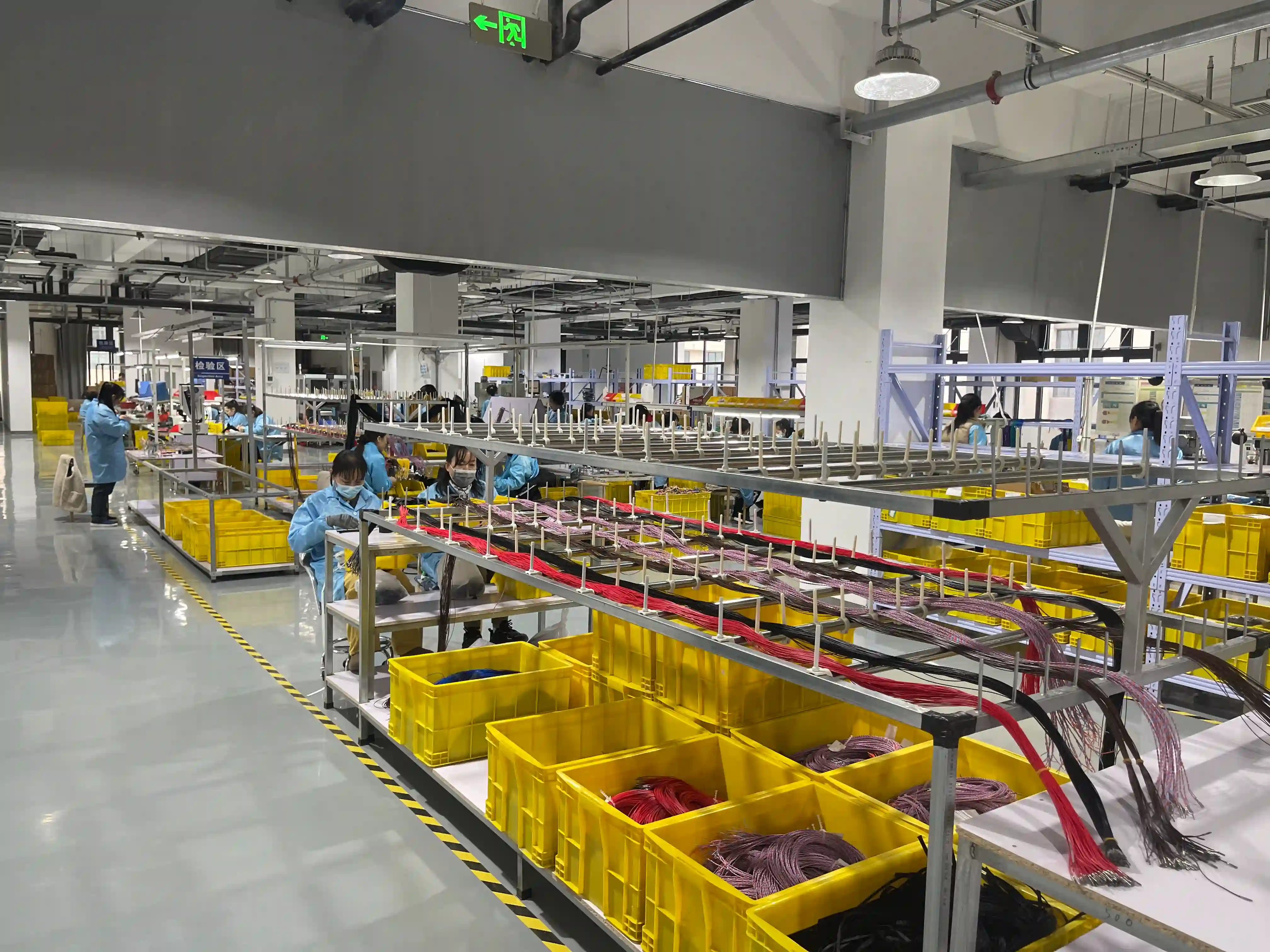
Hva bør defineres tidlig
De sterkeste overstøpte kabelprogrammene låser vanligvis det funksjonelle formålet med overstøpingen før verktøy startes. Team som bare ber om et overstøpt utseende bommer ofte på de virkelige beslutningene rundt kabelutgangsretning, rengjøringseksponering, trekklast, bøyeoppførsel og passform mot produkthuset.
Hvis den overstøpte seksjonen er ment å støtte beskyttelse mot inntrengning, bør målet uttrykkes som en del av hele grensesnittdesignet, ikke antas fra tilstedeværelsen av overstøpt materiale alene.
Prosess fra prøve til produksjon
Overstøping tilfører verdi når designintensjonen er klar og produksjonsversjonen kontrolleres mot den intensjonen. Vi behandler overstøpte kabelmontasjer som konstruerte kabelprodukter, ikke som et kosmetisk tillegg på slutten av monteringen.
Applikasjons- og feilpunktgjennomgang
Vi starter med faktisk bruksområde: hvor kabelen bøyes, hvor ofte den håndteres, hvilket tettingsnivå som forventes og om den overstøpte geometrien må passe med et panel, hus eller serviceflyt.
Match av kabel, kontakt og støpekonsept
kontaktfamilien, kabelkappe-materialet, lederpakken og støpekompositten må alle fungere sammen. Dette trinnet unngår vanlige problemer som svak adhesjon, overdimensjonerte støpekropper eller kabelutganger som skaper stress under installasjon.
Prototype og passformsvalidering
Prøver brukes til å bekrefte taktil håndtering, dimensjonell passform, bøyeoppførsel, trekkbeskyttelse og om den overstøpte kroppen faktisk forbedrer kabelmontasjen versus en enklere krympestrømpe- eller kabelmansjett-løsning.
Verktøyfrys og kontrollert produksjon
Når geometrien er validert, låser vi arbeidsinstrukser, støpesjekkpunkter og akseptkriterier slik at produksjonsversjonen oppfører seg som den godkjente prøven i stedet for å drifte fra parti til parti.
Hvor overstøpte kabelmontasjer brukes
Den sterkeste passformen er vanligvis i produkter der kontaktområdet ser gjentatt stress, trang føring eller en ekte miljøutfordring. I disse tilfellene kan kontrollert overstøping forbedre både monteringsrobustheten og installasjonskonsistensen.
Industrielle kontroller og feltenheter
Overstøpte kabelutganger bidrar til å beskytte kabelmontasjer som ser gjentatte tilkoblingssykluser, trangere føringsvinduer og vedlikeholdshåndtering på maskiner eller skap.
Medisinsk og diagnostisk utstyr
Programmer med rengjøringseksponering, kompakte hus eller hyppig kabelhåndtering nyter ofte godt av jevnere overganger og bedre strekkavlastning enn en løs kabelmansjett kan gi.
Sensorer, aktuatorer og automatiseringsmoduler
Kundetilpasset overstøping kan holde kabelorientering konsistent, redusere monteringsvariasjon og forbedre robustheten for bevegelig eller vibrasjonsutsatt utstyr.
Robuste service- og utendørs-relaterte produkter
Der både tetting og holdekraft er viktig, kan overstøpte overganger støtte en mer stabil kabelmontasjearkitektur enn en ubeskyttet kontaktutgang.
Designreferanser og kvalitetskontekst
Kjøpere vurderer ofte overstøpte kabelmontasjer rundt tre praktiske spørsmål: hvordan kabelmontasjen håndterer trekk og bøying, hvilken materialfamilie som er passende for miljøet og om målet for tetting-konseptet er realistisk. Disse offentlige referansene er nyttige startpunkter når forventninger skal samkjøres:
Relaterte interne kapabiliteter
Se prosesskapabiliteten bak overstøpte kontaktoverganger, støtte for tetting og strekkavlastning.
Nyttig når den overstøpte seksjonen er en del av et bredere skreddersydd kabelmontasjesprogram med blandede ender og spesielle materialer.
Gjennomgå hvordan kabelmontasjer sjekkes for elektrisk kontinuitet, visuell kvalitet og produksjonskonsistens.
Se hvordan overstøping, tetting og strekkavlastning brukes i robuste kabelmontasjer til støv, vibrasjon og feltservice.
Bruk denne når overstøping bare er ett av flere valg sammen med IP-design, kabelkappe, skjerming og testplan.
Sammenlign overstøpte kabelmontasjer med overstøpte ledningsnettprogrammer for større forgreningslayouter.
FAQ
Vanlige spørsmål fra team som anskaffer overstøpte kabelmontasjer for nye eller reviderte produkter.
Når er en kundetilpasset overstøpt kabelmontasje bedre enn en standardkabel med krympestrømpe?
Den er mest nyttig når kabelmontasjen trenger sterkere strekkavlastning, mer konsistent utgangsgeometri, bedre støtte for tetting eller en renere integrasjon i produkthuset enn krympestrømpe alene kan gi.
Kan overstøpte kabelmontasjer brukes for både strøm- og signalkabler?
Ja. Hovedspørsmålet er ikke om kabelmontasjen fører strøm eller signal, men om kontaktovergangen, kabelkonstruksjonen og miljøet rettferdiggjør et overstøpt design og kan valideres med riktig material- og prosesskontroll.
Støtter dere prototype overstøpte kabelmontasjer før full produksjonsverktøy er låst?
Ja. Vi validerer normalt overstøpt geometri, passform, kabelutgangsretning og håndteringsoppførsel under prøvefasen slik at produksjonen ikke avhenger av antakelser som bare ser korrekte ut i CAD.
Kan overstøpte kabelmontasjer hjelpe med tetting?
De kan, men den overstøpte kroppen alene garanterer ikke beskyttelse mot inntrengning. Hele designet må matche kontakten, kabelkappen, grensesnittgeometrien og miljømålet som motstand mot vannsprut eller et høyere IP-orientert designmål.
Hva bør en RFQ inkludere for en overstøpt kabelmontasje?
Inkluder kontaktdelenummer, kabelspesifikasjon, mållengde, formål med overstøping, miljø, nødvendig bøyeretning, dimensjonelle begrensninger, merkingsbehov og eventuelle elektriske eller mekaniske valideringskrav.
Kan kundetilpasset overstøpte kabelmontasjer kombineres med bredere kabel- eller box build-programmer?
Ja. Mange kunder bruker overstøpte kabelmontasjer som ett kontrollert delkabelmontasje inni et større kabelmontasje-, ledningsnett- eller box build-program der passform, servicebarhet og leveringskonsistens alle er viktige.
Trenger du en overstøpt kabelmontasje som passer produktet riktig?
Del kabelspesifikasjonen din, kontaktdetaljer, husbegrensninger og miljømål. Vi kan gjennomgå om kundetilpasset overstøping er riktig tilnærming og definere en produserbar vei fra prototype gjennom seriell leveranse.