Kundetilpasset RF Kabelmontasjeer for Repeterbar Produksjon
NorKab bygger kundetilpasset RF kabelmontasjeer for team som trenger mer enn en standard koaksial jumper. Vi støtter kontaktkabel-matching, mixed-grensesnitt layouter, tydelige monteringsregler og en produksjonsvei som fungerer fra prototype gjennom repeterende leveranse.
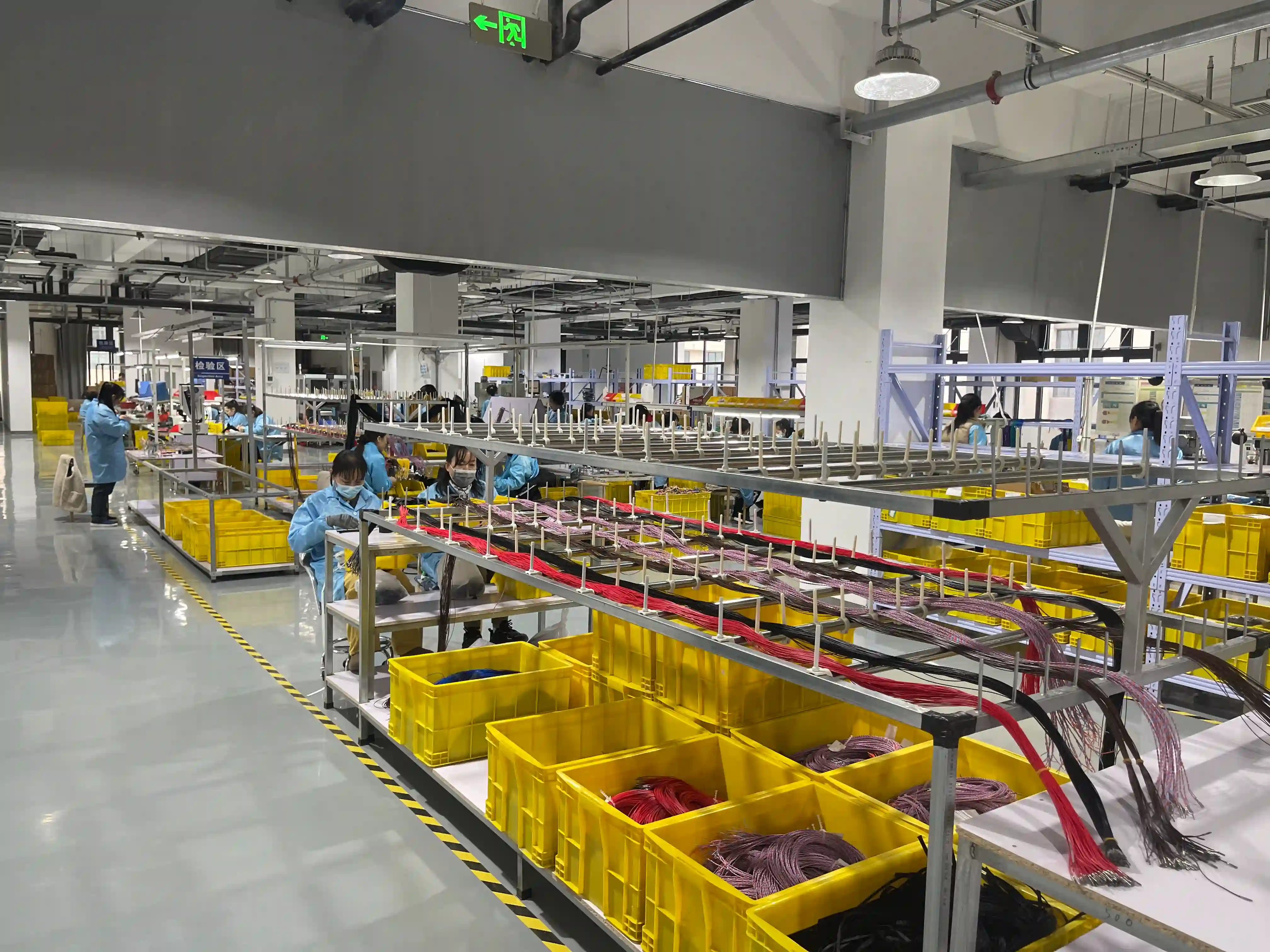
Hvorfor kundetilpasset RF-programmer ryker når monteringsdefinisjonen forblir vag
Mange RF-prosjekter starter med et kontaktnavn og en mållengde, og oppdager for sent at kabelføring, skjerming, impedans, bøyesone eller servicehåndtering aldri ble oversatt til produksjonsregler. Det er der en kundetilpasset produksjon enten blir et kontrollert produkt eller et tilbakevendende innkjøp-problem.
RF-innkjøp feiler når tegningen forblir for generisk
En linjepost som bare sier RF kabelmontasje lar vanligvis for mye stå åpent: kontaktfamilie, impedans, kabelserie, bøyebane, panelgeometri og testomfang. Vi gjør den tvetydigheten om til en byggbar produksjonspakke.
Kontakt-kabel matching betyr mer enn katalogkjennskap
Den vanligste feilen er å anta at en kjent kontaktfamilie automatisk vil fungere med en hvilken som helst koaksial. Endehylse-størrelse, dielektrisk støtte, sentral kontaktpassform og flette-håndtering må fortsatt matche den ekte kabelkonstruksjonen.
Kundetilpasset RF overlapper ofte med bredere systemintegrasjon
Mange prosjekter trenger mer enn en løs koaksial jumper. De kan kreve panel-overganger, beskyttende sleeving, blandede grensesnitt, gren-outs eller integrasjon i et større ledningsnett eller en kabinett-kabelmontasje.
Repeterbarhet er det ekte produksjonsmålet
Et godt RF-prøve er ikke nok hvis neste parti drifter. Vi fokuserer på dokumenterte avisoleringsmål, prosesskontroller, inspeksjonspunkter og emballasjeregler som lar den godkjente kabelmontasjen bygges igjen uten gjettverk.
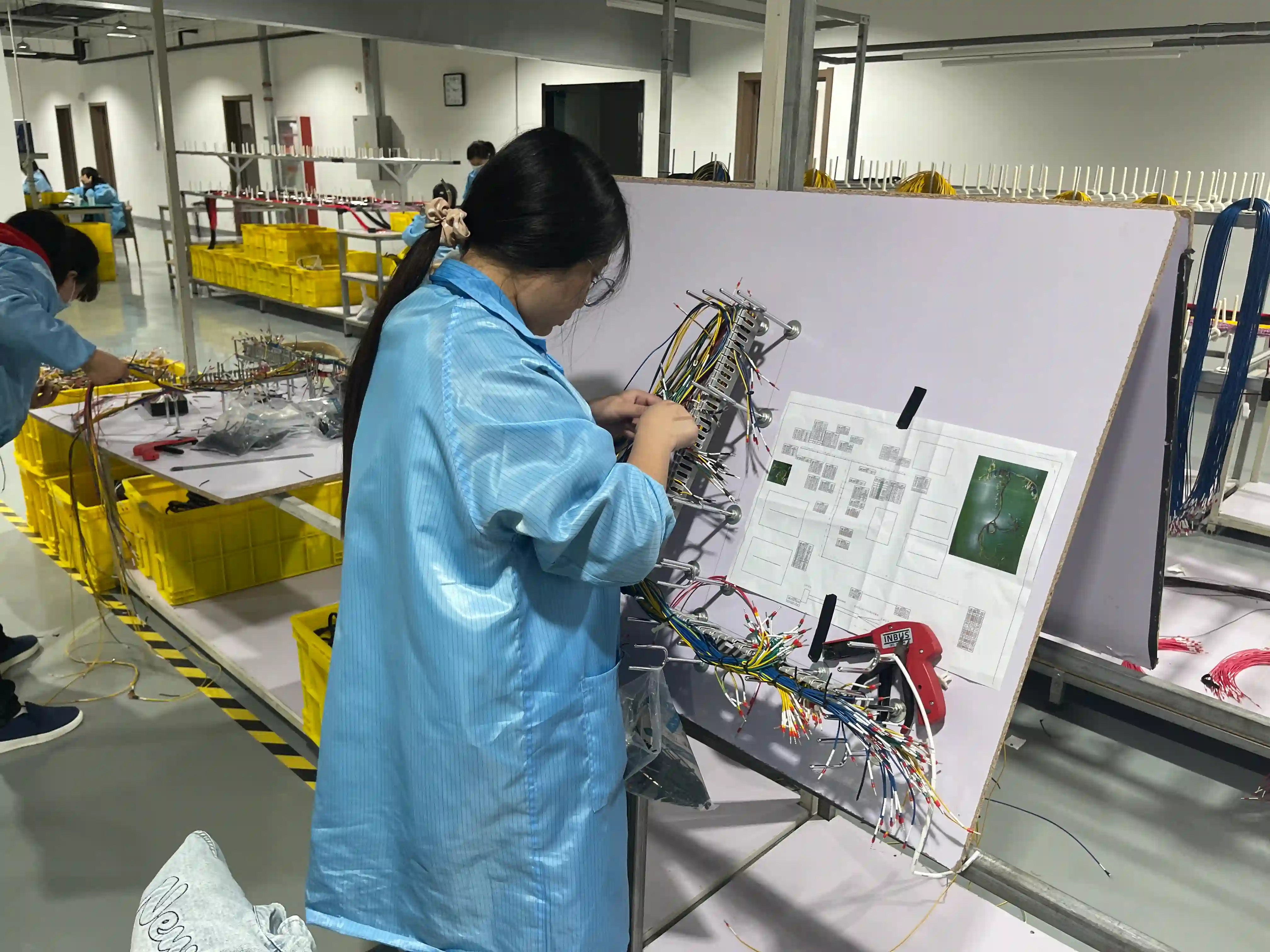
Kundetilpasset RF-kabelmontasje avhenger fortsatt av transmission-line disiplin
Selv når kabelmontasjen er mekanisk tilpasset, følger RF-banen fortsatt de samme offentlige prinsippene beskrevet for radiofrekvens, koaksialkabel og transmission-line oppførsel. Derfor behandler vi ikke kundetilpasset RF som en kosmetisk kabeløvelse.
Kontakt-paret, kabelgruppen, ustøttet dielektrisk lengde, skjermfangst og mekanisk utgangsbane avgjør fortsatt om den ferdige kabelmontasjen oppfører seg som en stabil signalbane eller en skjør engangs prøve. God kundetilpasset RF-innkjøp starter derfor med teknisk klarhet, ikke bare tilgjengelighet.
Når RF-kabelen også må sameksistere med strøm, lavspent kontroll eller en større kabinett-bygging, strukturerer vi koaksial-grenen slik at den passer den bredere kabelmontasjen i stedet for å bli en ettertanke som boltes på systemet i siste minutt.
Vanlige formater for kundetilpasset RF-kabelmontasje
Riktig format avhenger av om byggingen er en enkel RF jumper, en blandet kontaktovergang eller én gren inni et bredere kabelprogram.
RF jumpers og antennekabler
Kundetilpasset koaksial-kabelmontasjer for antenner, radioer, innebygd trådløs-moduler og testporter hvor impedans, kontaktholdekraft og føringsplass alle er viktige.
Mixed-grensesnitt RF-kabelmontasjer
Bygg som overgår mellom kontaktfamilier som SMA, BNC, MMCX, FAKRA eller panel bulkheads når to delsystemer ikke deler samme grensesnittlogikk.
Hybrid RF pluss strøm eller signal-kabelmontasjer
Programmer der koaksial-banen bare er én del av kabelen. Vi kan integrere RF-grener med lavspent signal, kontroll eller strøm-ben under én dokumentert kabelmontasjeflyt.
Robust og installasjonsspesifikke bygg
Kabelmontasjer designet for vibrasjon, feltservice, beskyttende føring, begrensede bøyesoner eller mer krevende industrielle og mobile installasjoner enn en standard katalogkabel kan håndtere.
Spesifikasjonspunkter kjøpere bør låse før bestilling
| Typiske systemer | Antenner, telekom-delsystemer, testutstyr, bildebehandling, industrielle RF-linker og mixed-grensesnitt service-kabelmontasjer |
|---|---|
| Impedansfokus | 50 Ohm, 75 Ohm og andre applikasjonsstyrte koaksial-krav gjennomgått per program |
| kontaktfamilier | SMA, BNC, MMCX, MCX, FAKRA, U.FL, panel bulkheads og utvalgte kunde-spesifiserte RF-grensesnitt |
| Kabelalternativer | RG-serie, micro-koaksial, low-loss koaksial og installasjonsspesifikke kabelgrupper matchet til føring og miljø |
| Prosesskontroll | Kontrollerte avisoleringsmål, flette-håndtering, sentral kontaktpassform, strekkavlastning og revisjonskontrollerte arbeidsinstrukser |
| Prøving | Kontinuitet, kortslutningssjekker, utførelsesverifisering og utvidet validering der applikasjonen krever det |
| Produksjonstrinn | Prototype, pilotparti og repeterende produksjon |
| Dokumentasjon | Førstestykke-støtte, sporbarhet, merkede byggregler og frigivelsesklare kabelmontasjekontrollpunkter |
Typiske bruksområder
- Antennefeed og radio-delsystem-kabler
- Telekom og trådløs infrastructure-delassemblies
- RF-linker inni robust industrielt utstyr
- Bildebehandling og testfikstur-sammenkoblinger
- Blandede RF-service og retrofit-kabler
- Panel gjennomføring og kabinett-overganger
- Kundetilpasset kabelsett for feltinstallerbare systemer
- RF-grener inni større ledningsnett eller box build-programmer
Hvordan NorKab flytter kundetilpasset RF-bygg fra prøve til repeterende leveranse
Målet er ikke bare å lage en kabelmontasje som passerer én gang på benken. Målet er å lage en som kan bestilles igjen med samme logikk, dokumentasjon og passform.
Krav- og installasjonsgjennomgang
Vi starter med faktisk bruksområde: signaltype, impedans, kontaktender, kabelrute, sammenkobling-frekvens, miljø, panelbegrensninger og hvordan kabelmontasjen passer inn i det større produktet.
Kontakt-kabel match og DFM
Vi verifiserer at det valgte RF-grensesnittet faktisk passer den tiltenkte kabelfamilien og produksjonsmetoden. Hvis geometrien er skjør eller installasjonsplassen urealistisk, flagger vi det før prototype.
Prototype og bygglås
Innledende prøver brukes til å validere passform, håndtering og monteringslogikk. Avisoleringsmål, sekvens, inspeksjonssjekkpunkter og merkingsregler låses deretter før oppskalering.
Kontrollert repeterende produksjon
Produksjonen følger dokumenterte preparering-, terminerings-, inspeksjons- og pakkingsregler slik at den godkjente kundetilpasset RF-kabelmontasjen kan repeteres med mindre reverk og færre overraskelser ved mottak.
Relatert teknisk lesning for RF-innkjøp og produksjonskontroll
Disse sidene hjelper når teamet ditt fortsatt definerer impedansforventninger, kontaktlogikk eller bredere koaksial-produksjonskontroller før en kundetilpasset RF-kabelmontasje låses.
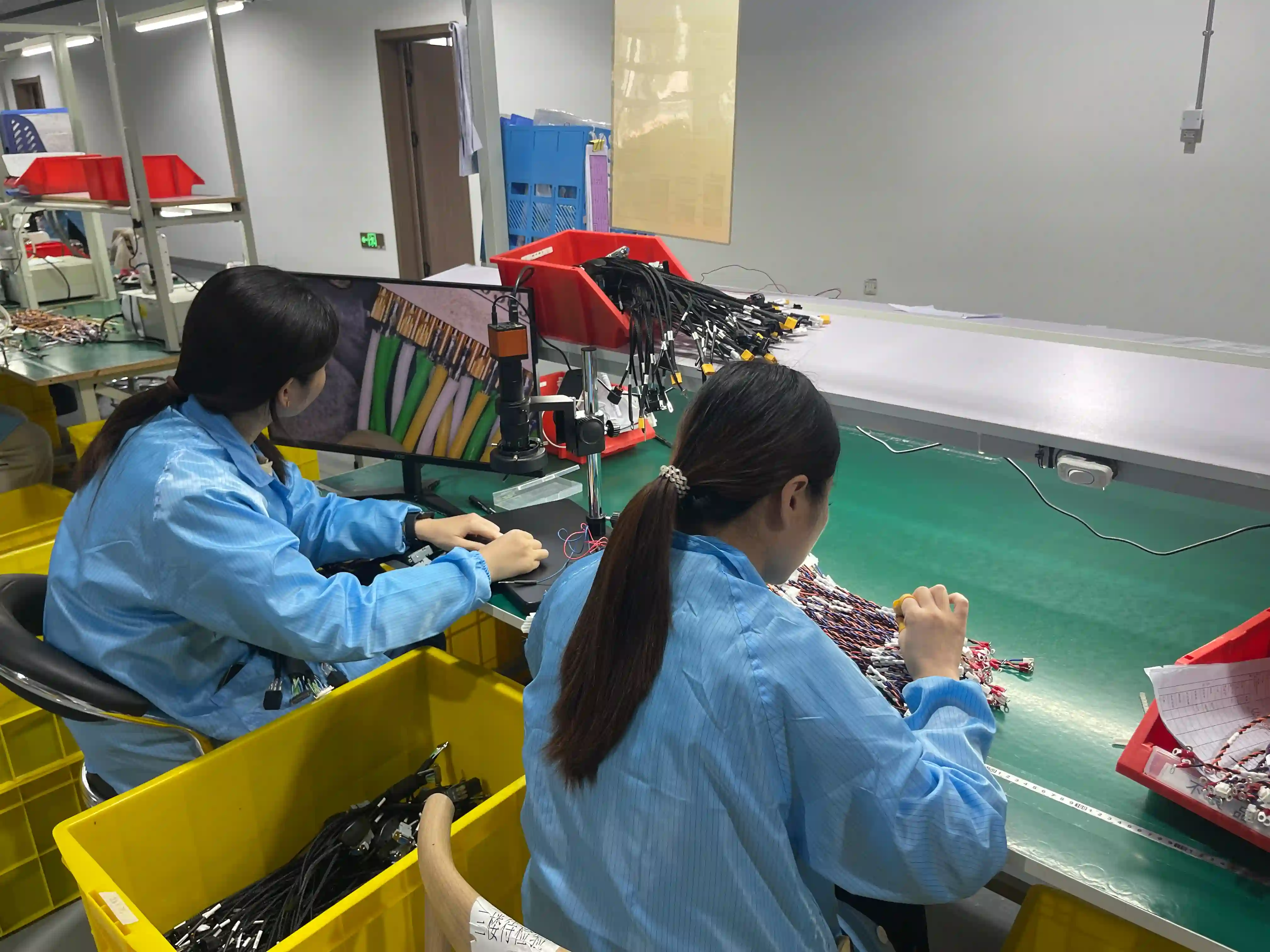
Relaterte NorKab-sider
Kundetilpasset RF-prosjekter overlapper ofte med bredere koaksial-beslutninger, kontaktspesifikke sider og større kundetilpasset kabelprogrammer.
Koaksial Kabelmontasje
Bruk denne når det bredere programmet fortsatt avgjør kabelfamilie, impedansstrategi eller RF-kontaktretning.
SMA Kabelmontasje
Relevant når kundetilpasset RF-byggingen er sentrert rundt et kompakt gjenget 50 Ohm SMA-grensesnitt.
FAKRA Kabelmontasje
Nyttig for bilindustri RF-programmer der nøklede hus og applikasjonsspesifikk koding er nødvendig.
VOD-kabel for sprengningsmåling
Bruk denne når kundetilpasset RF-byggingen gjelder måleutstyr, VOD-kabel eller blast detection-instrumentering.
Skreddersydd Kabelmontasje
Best passform når RF-banen bare er én del av et større blandet kabelmontasjes- eller multi-gren-program.
FAQ
Korte svar på spørsmålene kjøpere vanligvis stiller før de flytter et kundetilpasset RF-kabelprogram inn i produksjon.
Hva regnes som en kundetilpasset RF kabelmontasje?
En kundetilpasset RF kabelmontasje er en koaksial- eller mixed-grensesnitt kabelbygging engineered rundt det faktiske systemkravet i stedet for en hyllevare jumper. Det betyr vanligvis å låse impedans, kabelfamilie, kontaktkombinasjon, avisoleringsmål, skjermingsmetode, strekkavlastning, merking og produksjonstestplanen før oppskalering.
Kan NorKab støtte både single-ended og blandede RF kontaktkombinasjoner?
Ja. Vi bygger kundetilpasset RF kabelmontasjeer med samme-ende familier som SMA til SMA og blandede kombinasjoner som SMA til BNC, RF til panel bulkhead eller koaksial pluss strøm og signalgrener i samme kabelmontasje. Nøkkelen er å verifisere at kontaktfamilien og kabelgeometrien faktisk matcher den nødvendige installasjonen.
Når bør et team velge en kundetilpasset RF-kabelmontasje fremfor en katalogkabel?
En kundetilpasset produksjon er vanligvis den beste veien når standardlengder ikke passer, miljøet er hardere enn labbruk, kontaktkombinasjonen er uvanlig, kabelmontasjen må integreres i et større ledningsnett eller box build, eller kjøper trenger repeterbar dokumentasjon og produksjonskontroll i stedet for retail-style innkjøp.
Støtter dere bare 50 Ohm RF-kabler?
Nei. Mange RF-programmer er 50 Ohm, men vi støtter også 75 Ohm og andre impedansdrevne koaksial-kabelmontasjer der applikasjonen krever det. Vi gjennomgår hele signalkjeden før frigivelse fordi kontaktnavnet alene ikke definerer riktig kabelbygg.
Hvordan tester dere kundetilpasset RF kabelmontasjeer?
Hver kabelmontasje verifiseres for kontinuitet, kortslutningsrisiko og utførelse som minimum. Avhengig av programmet legger vi til dimensjonelle sjekker, kontaktmotstand, isolasjonsrelaterte sjekker, holdekraft-sjekker og en tydeligere RF-orientert valideringsplan knyttet til kundens faktiske signal- og grensesnittkrav.
Kan NorKab bygge prototyper først og deretter gå over til repeterende produksjon?
Ja. Vi bruker prototype-bygg for å validere passform, føring, kontaktoppførsel og monteringshåndtering, og låser deretter arbeidsinstrukser og kontrollpunkter før repeterende leveranse. Dette reduserer risikoen for et benke-prøve som ikke kan reproduseres rent i volum.
Trenger du en kundetilpasset RF kabelmontasje som skalerer forbi første prøve?
Send kontaktkombinasjonen, målkabelruten, impedanskravet og installasjonskonteksten. NorKab kan gjennomgå byggveien, prototypbehov og repeterende produksjonskontroller før innkjøp drifter inn i reverk.