OEM Ledningsnettproduksjon for Kontrollerte Produksjonsprogrammer
Kjøpere som søker etter OEM-ledningsnett trenger vanligvis mer enn en kapabel montør. De trenger en leverandør som kan gjennomgå tegninger, støtte godkjenningsporter, dokumentere prosessen og levere repeterbare ledningsnettbygg uten kvalitetsavvik når programmet skaleres.
NorKab støtter OEM-, industrielle og robust-utstyr ledningsnettprogrammer med DFM-gjennomgang, kontrollert krymping, sporbarhet, avtalt elektrisk prøving og frigivelsesklar dokumentasjon fra prototype gjennom repeterende produksjon.
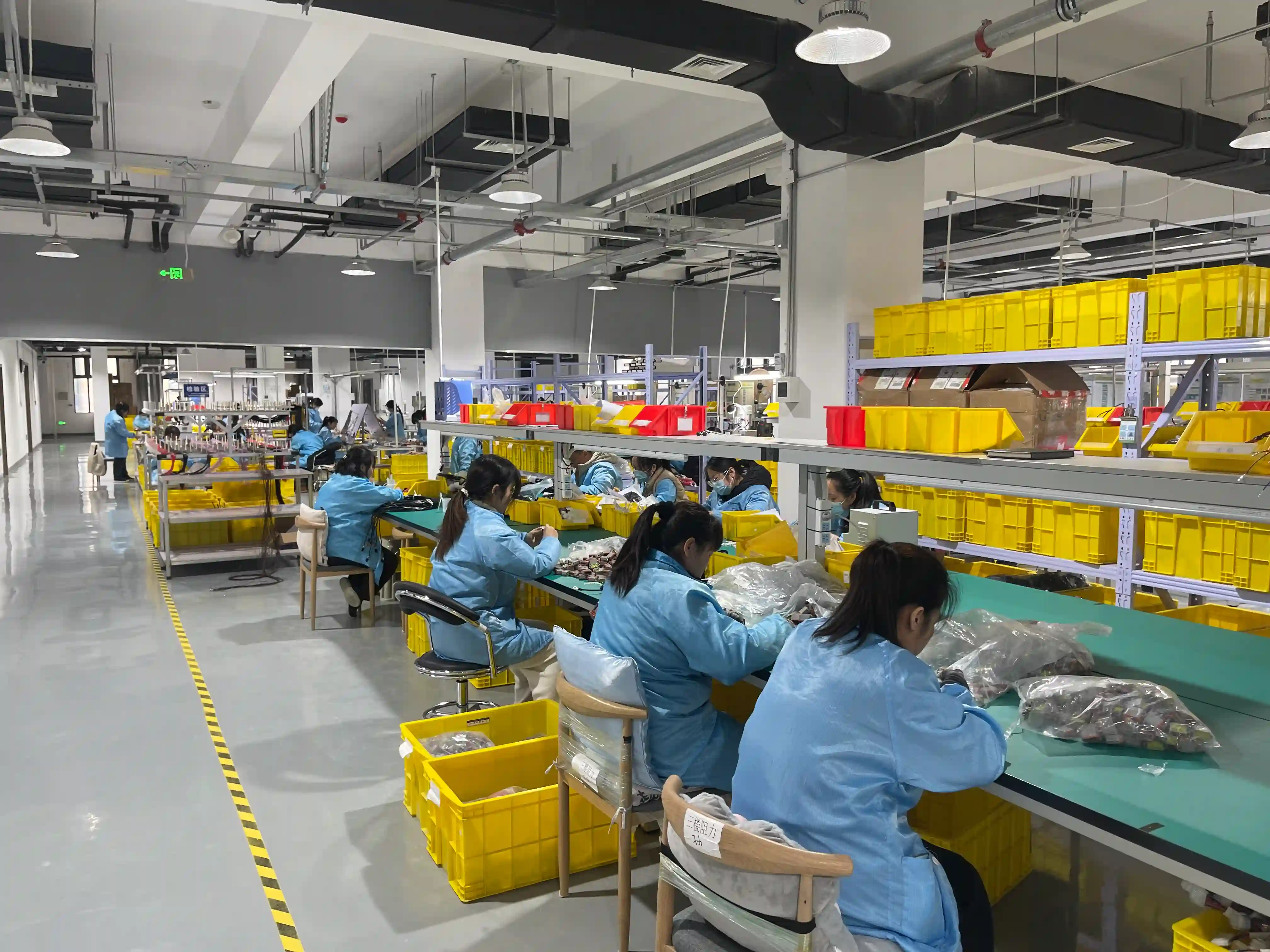
Pakking i sett og avrop
Oppgi krav til emballasje, pakking i sett og avrop sammen med volumprognosen i forespørselen. Disse avklaringene inngår i bestillingsgrunnlaget i tillegg til tegninger, materialliste og testkrav.
Innkjøpsbehov
Hva OEM-team bør avklare før bestilling
Ved bestilling av OEM-ledningsnett må leverandøren kunne håndtere tegninger, terminaler, etiketter, testgrenser, endringskontroll og gjentatte frigivelser. Avklar dette under kvalifiseringen for å redusere risiko ved produksjonsstart.
Et ledningsnett i et OEM-program må kunne produseres med samme resultat fra parti til parti. Godkjenningen bør derfor omfatte monteringsprosessen, akseptkriteriene og revisjonsflyten, i tillegg til den første prøven.
For dypere bakgrunn, se våre veiledninger til ledningsnetteknikk og DFM og PPAP for ledningsnettprogrammer.
Typiske OEM-kjøpersjekker
Kan leverandøren utfordre svake tegninger før produksjonsstart?
Det er viktig fordi OEM-ledningsnettfeil ofte starter med kontaktmisforhold, tetningsvindu-feil, uklare grendimensjoner eller manglende testdefinisjoner i stedet for åpenbare utførelsesfeil.
Kan samme prosess støtte prototype og repeterende leveranse?
OEM-team trenger å vite om den godkjente prøven kan bygges igjen i 50, 500 eller 5 000 stykker uten prosessavvik.
Er kvalitetspakken kompatibel med kundens frigivelsesporter?
For mange OEM-programmer er sporbarhet, førstestykke-gjennomgang og kontrollerte endringer like viktige som ledningsnettet selv.
Kan ledningsnettet bygges for det ekte feltmiljøet?
Høytrykksspyling, vibrasjon, temperatursykling, EMI og service-tilgang definerer ofte om et ledningsnett lykkes etter produksjonsstart.
Kapabiliteter
Hva NorKab støtter for OEM-ledningsnettprogrammer
Bygget rundt OEM frigivelseslogikk
OEM-ledningsnettinnkjøp handler sjelden bare om monteringskapasitet. Kjøpere trenger vanligvis teknisk gjennomgang, revisjonsdisiplin, partisporbarhet og en leverandør som kan støtte godkjenningsporter uten å miste fart.
DFM før produksjonsstart-risiko blir dyrt
Vi gjennomgår ledning-område, kontaktpassform, tetninger, etiketter, grengeometri, skjerming, strekkavlastning og testdekning før ledningsnettet skyves inn i pilot eller produksjonsfrigivelse.
Dokumentasjon som støtter kvalifisering
Førstestykke-gjennomgang, kontrollpunkter, testregistreringer, materialesporbarhet og endringsporing struktureres slik at OEM-team kan kvalifisere ledningsnettet med mindre tvetydighet.
Stabil overgang fra prøve til repeterende leveranse
En vellykket prototype er ikke nok for et OEM-program. Vi låser arbeidsinstrukser, føringsreferanser, krympeinnstillinger og testlogikk slik at senere partier oppfører seg som det godkjente første bygget.
Ledningsnett-omfang matchet til ekte utstyrsprogrammer
NorKab støtter strøm-, signal-, skjermede, CAN-bus-, vanntette og blandede strøm-signal-ledningsnett for transport, industri, medisinsk, robotikk og robust equipment-applikasjoner.
Omfang holdes innenfor ledningsnett og kabelmontasje
Leveransen omfatter ledningsnett, kabelmontasjer, kontakter, krymping, overstøping, prøving og forbindelser i box build.
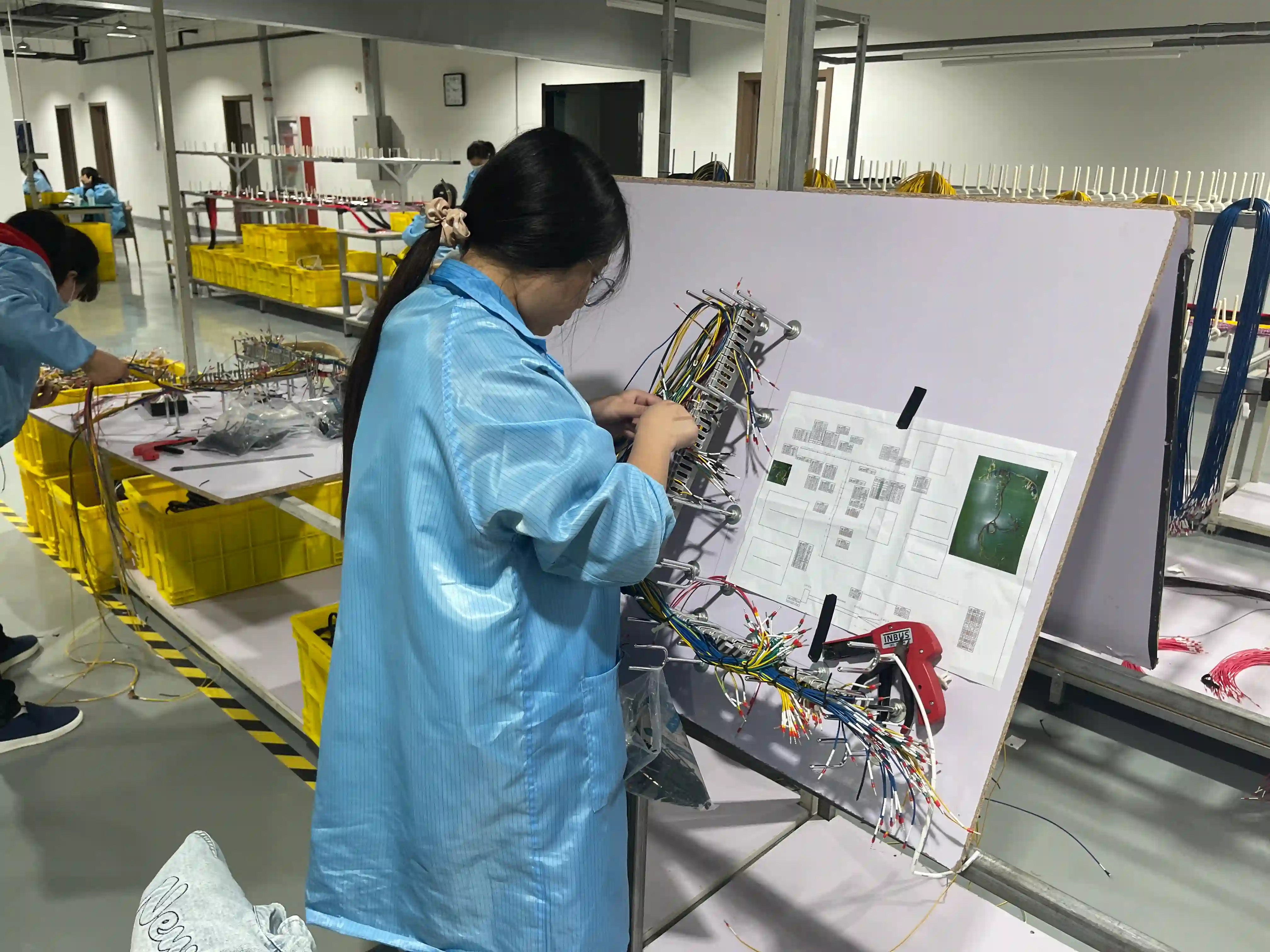
Vurderingsoversikt
Kommersiell og teknisk passform med ett blikk
| Typiske innkjøpsbehov | Kvalifisere en OEM-ledningsnettleverandør som kan støtte frigivelse, repeterbarhet og teknisk kontroll |
|---|---|
| Best egnet-programmer | Industrielt utstyr, transport-delsystemer, EV-relaterte produkter, medisinske enheter, robotikk, marine og robust utendørs-elektronikk |
| Ledningsnett-typer | Skreddersydde ledningsnett, panelkabling, forseglet ledningsnett, skjermede bygg, CAN-bus-ledningsnett, sensorgrener og blandede strøm-signal-kabelmontasjer |
| Kontrollfokus | Tegningsgjennomgang, kontaktkompatibilitet, krympeprosess, føringsdisiplin, etiketter, emballasje og revisjonskontroll |
| Validering | Kontinuitet, pinnekart, kortslutning, isolasjon, hi-pot, trekktest, førstestykke-gjennomgang og applikasjonsspesifikke sjekker etter behov |
| Dokumentasjon | FAI-støtte, partiidentifisering, sporbarhetsnotater, revisjonshistorikk og PPAP-tilpasset innleveringsstøtte ved behov |
| Produksjonstrinn | Prototype, pilot, lavvolum produksjonsstart, repeterende produksjon og pågående teknisk endringer |
| Område servet | Norge, det nordiske markedet og globale OEM-programmer |
Prosess
Hvordan et OEM-ledningsnettprogram flytter fra RFQ til repeterende frigivelse
RFQ og tegningsmottak
Send ledningsnetttegningen, BOM, motkontaktreferanser, målvolum, kvalitetskrav og driftsmiljø. Vi flagger uklare punkter før tilbudsantakelser blir produksjonsrisiko.
DFM- og leveringsgjennomgang
Vi gjennomgår kontakttilgjengelighet, ledning-spesifikasjon, grengeometri, testpunkter, etiketter, service-løkker og emballasje. Hvis et delvalg skaper unødvendig leveringstid eller verktøy-risiko, tar vi det opp tidlig.
Førstestykke og godkjenningsløkke
Innledende bygg bekrefter passform, føring, utførelseskriterier og elektrisk verifisering. Dette trinnet brukes til å lukke gap før OEM-teamet behandler ledningsnettet som frigivelsesklart.
Prosesslåsning for produksjon
Krympeinnstillinger, preparering-lengder, føringsreferanser, inspeksjonspunkter og testprogrammer fryses slik at godkjente bygg kan repeteres konsekvent på tvers av senere partier.
Repeterende leveranse og endringskontroll
Produksjonspartier frigjøres mot den aktive revisjonen med sporbarhet og støttende registreringer. Når teknisk endringer kommer, oppdaterer vi frigivelsespakken i stedet for å improvisere på gulvet.
Kvalitet og feltrisiko
OEM-ledningsnettkvalitet defineres av repeterbarhet, ikke av én god prøve
Et ledningsnett som passerer én gang kan fortsatt feile et OEM-program hvis neste parti drifter på avisoleringslengde, krympeoppsett, tetningsposisjon, etikettinnhold eller testgrenser. Derfor knytter vi det godkjente bygget til låste prosessreferanser i stedet for å behandle produksjonen som en ny tolkning hver gang.
Når applikasjonen inkluderer høytrykksspyling, vibrasjon, utendørseksponering eller nettverkede kjøretøysystemer, er det også relevant å vurdere vanntett ledningsnett, prøving og CAN-bus kabelmontasje for å tilpasse valideringen til det faktiske miljøet.
Vanlige eksterne referansepunkter for kjøpergjennomgang inkluderer ISO 9000, IPC, IP-kode og OEM-innkjøp-kontekst.
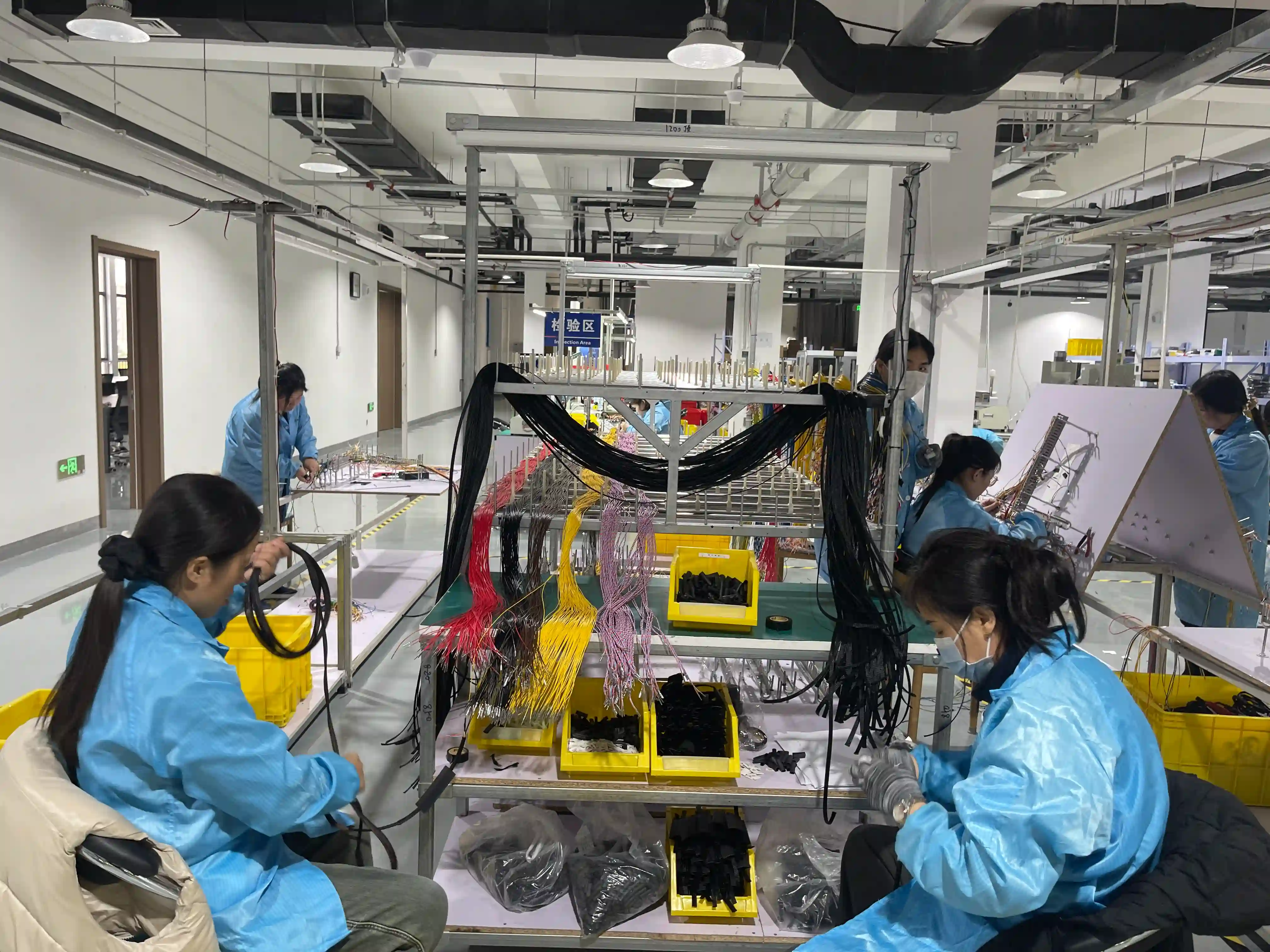
Relaterte sider
Fortsett OEM-ledningsnettvurderingen
Elektrisk Ledningsnett-produsent
Vurder ledningsnettleverandører ut fra prosesskontroll, dokumentasjon og kriterier for frigivelse.
Ledningsnett i små seriermontasje
Relevant for pilotbygg, NPI-partier og tidlige lanseringer før et program stabiliserer seg i repeterende volum.
Vanntett Ledningsnett
Hjelpsomt når OEM-applikasjonen inkluderer tetting, utendørs eksponering, høytrykksspyling eller fuktsensitive kontakter.
Test & Inspeksjon
Se hvordan kontinuitet, isolasjon, hi-pot og andre verifiseringslag passer inn i NorKabs frigivelsesprosess.
PPAP for Ledningsnett
En praktisk referanse for OEM-team som trenger tettere innlevering- og godkjenningsdisiplin.
Førstestykkeinspeksjon Veiledning
Nyttig når du trenger å stramme broen mellom tegningsgodkjenning og produksjons-frigivelse.
OEM vs Aftermarket Ledningsnett-kvalitet
Les denne hvis innkjøp-diskusjonen inkluderer levetid, konsistens og valideringsforskjeller.
Fra praksis: kontaktposisjon, lederfarger og lengde under produksjon
En europeisk kunde hadde bestilt et ledningsnett der flere detaljer måtte avklares mens produksjonen pågikk. Underlaget omfattet skjermet kabel med svart ytterkappe, fire ledere på 26 AWG og kabelbetegnelsen UL2464. Avklaringene gjaldt tilkoblingen i en Molex-kontakt, tilgjengelige lederfarger og riktig kabellengde.
De opprinnelig angitte lederfargene var ikke på lager. Leverandøren hadde dessuten feiltolket lengden som 4,7 meter og måtte få dette kontrollert. Kunden bekreftet at tilkoblingen skulle gå til posisjon 6 i Molex-kontakthuset. Kunden godkjente også svarte, røde, hvite og gule ledere som erstatning for de opprinnelig spesifiserte fargene.
Riktig kabellengde var 450 mm. Denne korrigeringen, kontaktposisjonen og fargevalget ble sendt videre til produksjonsavdelingen, og leverandøren ba om fremskyndet behandling. Det dokumenterte resultatet var dermed at produksjonen fikk kundens bekreftelser på de konkrete punktene som hadde vært uklare. Det var ikke en bekreftelse på at ordren var ferdig.
Ved siste dokumenterte status var arbeidet fortsatt i gang, og en konkret leveringsdato var ikke bekreftet. Saken gir et avgrenset eksempel på håndtering av avklaringer under produksjon. For en kjøper er de gjenbrukbare kontrollpunktene tydelig nummerering av kontaktposisjon, skriftlig godkjenning av fargebytter og en entydig lengdeangivelse med måleenhet i produksjonsunderlaget.
Sjekkliste for en tilsvarende bestilling
- Oppgi nøyaktig posisjon i kontakthuset for den aktuelle tilkoblingen.
- Bekreft alternative lederfarger skriftlig før de tas i bruk.
- Skriv kabellengden med tydelig måleenhet og kontroller eventuelle avvik.
- Be om bekreftelse på at avklaringene er sendt til produksjonen.
FAQ
Spørsmål kjøpere stiller om OEM-ledningsnettinnkjøp
Hva betyr OEM-ledningsnett vanligvis sammenlignet med en generisk kundetilpasset ledningsnettbestilling?
OEM-ledningsnett innebærer vanligvis et tettere frigivelsesmiljø. Kjøperen trenger ofte stabil revisjonskontroll, førstestykke-støtte, sporbarhet, kontrollert prøving og en leverandør som kan flytte fra utviklingsbygg til repeterende produksjon uten å endre prosesslogikk.
Hva bør vi sende for en OEM-ledningsnett-RFQ?
Send ledningsnetttegningen eller kabling diagram, BOM, kontaktreferanser, rå ledning- eller kabeldetaljer, lengder, etiketter, miljøforhold, årlig volum, nødvendige tester og eventuelle dokumentasjonsforventninger som FAI eller PPAP-relatert innleveringsstøtte.
Kan NorKab støtte PPAP-stil eller kontrollerte godkjenningsflyter?
Ja. Den eksakte pakken avhenger av kundeprogrammet, men vi kan støtte førstestykke-gjennomgang, sporbarhetsregistreringer, inspeksjonssjekkpunkter, testrapportering og endringskontroll som samkjøres med OEM-orienterte godkjenningsflyter.
Hvordan er dette annerledes enn deres elektriske ledningsnettprodusentside?
Ved valg av produsent bør OEM-er vurdere dokumentasjon, kvalifisering og kriterier for frigivelse. Langsiktig produksjon krever også kontroll på revisjoner, testgrenser og gjentatte leveranser.
Kan dere støtte både lavvolum produksjonsstart-bygg og repeterende produksjon?
Ja. Vi støtter prototype, pilot, lavvolum produksjonsstart og repeterende produksjon. Nøkkelen er å låse den godkjente tegningen, materialvalg, testlogikk og arbeidsinstrukser tidlig slik at senere partier forblir konsistente.
Hvilke eksterne kvalitetsreferanser betyr mest for OEM-ledningsnettprogrammer?
Vanlige referansepunkter inkluderer ISO 9000 for kvalitetssystemer, IPC utførelsesveiledning, IP-grader for tetting-forventninger og kunde-spesifikke frigivelsesdokumenter. Endelig aksept er alltid drevet av godkjent tegning, revisjon og testkrav for programmet.
Neste steg
Trenger du en OEM-ledningsnettleverandør som kan støtte kvalifisering og repeterende leveranse?
Send tegningspakken, BOM, testforventninger og produksjonsstart-volum. NorKab kan hjelpe deg med å gjennomgå ledningsnettet, stramme frigivelsesflyten og flytte fra førstestykke til repeterende produksjon med mindre risiko.