Medisinsk Kabelprodusent for Diagnostiske, Monitorerings- og Enhetsprogrammer
NorKab støtter OEM- og enhetsteam som trenger en medisinsk kabelprodusent med kontrollert montering, dokumentert prøving og sporbar frigivelse fra prototype gjennom repeterende produksjon.
Dette søkeordet dukker vanligvis opp når innkjøp og teknisk trenger en leverandør som kan gjøre mer enn å bygge et prøve. Det egentlige kravet er stabil kabelproduksjon som passer regulerte flyter, serviceforventninger og lange produktlivssykluser uten å la små prosessdetaljer bli feltfeil.
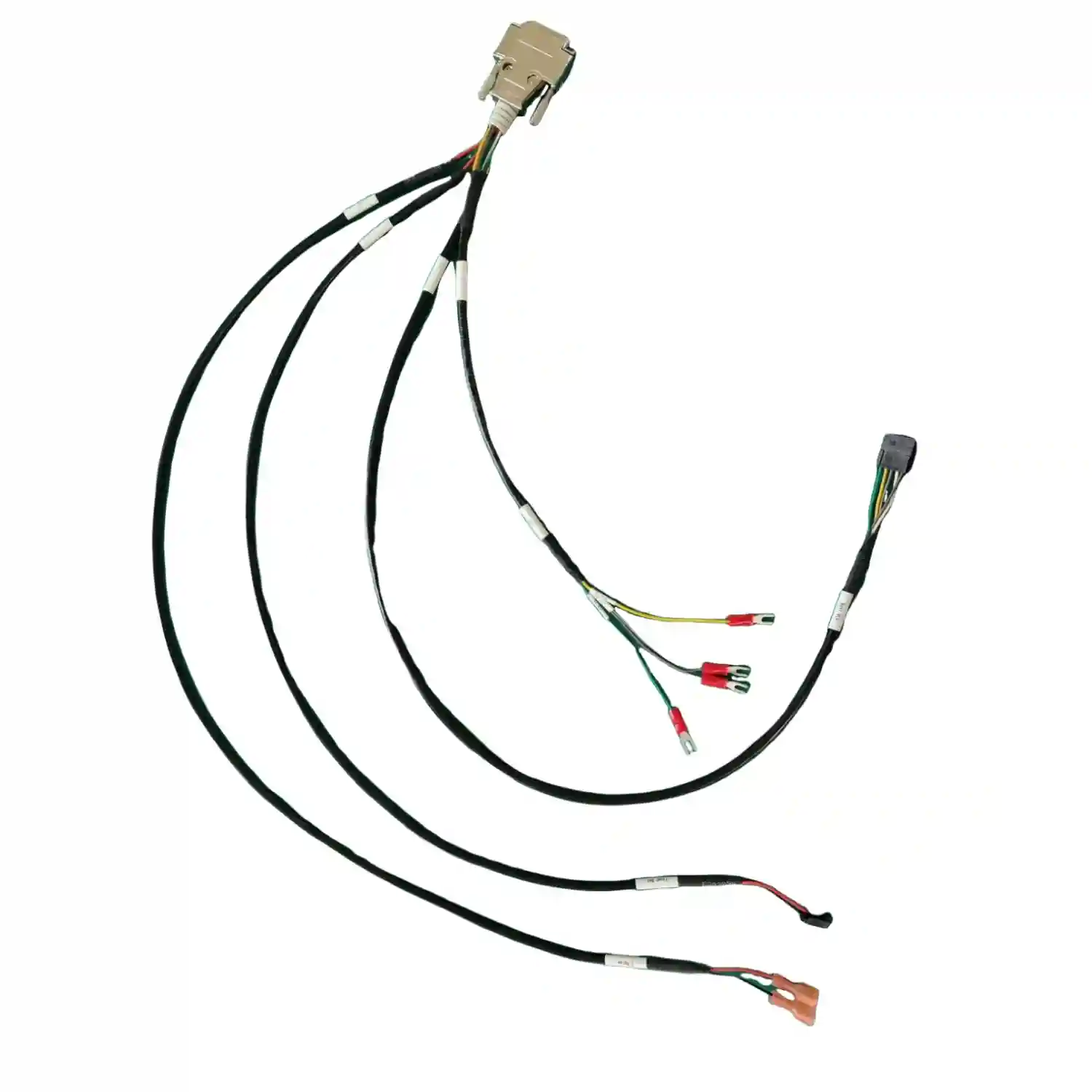
Hvorfor denne siden eksisterer
Kjøpere som søker etter en medisinsk kabelprodusent prøver normalt å redusere leverandørrisiko før en kabel når et regulert enhetsprogram. Den beslutningen ligger et sted mellom design-for-produksjon, kvalitetsplanlegging og livssyklusstøtte. Det er ikke det samme spørsmålet som å velge en generisk kabelleverandør.
Innkjøpsbeslutninger for medisinsk kabel handler vanligvis om leverandørrisiko
Team som søker etter en medisinsk kabelprodusent kvalifiserer normalt prosessdisiplin, sporbarhet, valideringsstøtte og dokumentasjon, ikke bare enhetspris.
Risiko for kabelfeil starter ofte i overgangsdetaljer
Krympehøyde, strekkavlastning, overstøpningsgeometri, skjermterminering, rengjøringskompatibilitet og merking ser små ut på tegninger, men påvirker direkte feltpålitelighet og servicebarhet.
Prototypegodkjenning garanterer ikke produksjonsklarhet
Et benke-trygt prøve er bare det første sjekkpunktet. Medisinske programmer trenger fortsatt repeterbare arbeidsinstrukser, kontrollerte testgrenser og revisjonsdisiplin før frigivelse.
Hva medisinsk-utstyrs team vanligvis trenger fra leverandøren
Produksjonen utføres under sertifikatet som holdes av Hebei Cloom Electronic, mens kundens medisinske sluttprodukt og regulatoriske ansvar ligger utenfor dette sertifikatet. Produksjonsomfanget styres gjennom ISO 13485, sammen med klar samkjøring med produktets medisinsk enhet -bruksområde, og prosesskontroll sterk nok til å støtte revisjoner, designendringer og repeterende innkjøpsbeslutninger.
Produksjon under ISO 13485 hos Hebei Cloom Electronic
Hebei Cloom Electronic holder ISO 13485-sertifikat G25Q2GZ1262R0M, gyldig til 2028-12-22, med omfang «produksjon av medisinske ledningsnett».
Kontrollert kabel- og kontaktprep
Ledning-kutting, avisolering, krymping, skjermhåndtering, lodding der spesifisert, krympestrømpe-overlapp og overstøpningsoverganger defineres i arbeidsinstrukser i stedet for å overlates til operatørtolkning.
100% elektrisk verifisering
Kontinuitet, pinnekart, polaritet, isolasjon og prosjektspesifikke sjekker defineres rundt faktisk produktrisiko slik at prøving bekrefter byggingen i stedet for å skjule svake prosessantakelser.
Material- og miljøgjennomgang
Vi gjennomgår kabel-kabelkappe, kontaktfamilie, strekkavlastningsmetode og rengjøringseksponering slik at kabelmontasjen passer det faktiske drifts- og servicemiljøet.
Prototype til repeterende leveranse under én kvalitetslogikk
Tidlige bygg brukes til å lukke gap rundt passform, føring og validering, og denne læringen bæres deretter inn i pilot- og volumleveranse i stedet for å bli nullstilt under oppskalering.
Integrasjon med større medisinske kabelmontasjer
Når kabelen tilhører innenfor en box build, håndholdt enhet eller delsystem, håndterer vi ledningsnett eller kabel som en del av den endelige installasjonen i stedet for som en isolert løs del.
Vurderingskriterier som er viktige før frigivelse
Hvis kabelen er en del av et pasient-relatert, diagnostisk, monitorerings- eller laboratorieprodukt, bør leverandørgjennomgangen fokusere på hvordan kabelmontasjen vil bli bygget, verifisert og endret over tid. Det inkluderer overgangskvalitet, sporbarhet, dokumenterte testgrenser og evnen til å holde senere partier samkjørt med den godkjente første versjonen.
| Kvalitetssystem-passform | Kan leverandøren støtte kontrollert frigivelse, revisjonshåndtering og sporbar produksjonsoppførsel som fungerer innenfor medisinsk-utstyrs kvalitetsflyter? |
|---|---|
| Kabelkonstruksjonskontroll | Er rå kabel, skjermingsmetode, bøyestøtte, strekkavlastning og kontaktorientering tydelig fryst før produksjon? |
| Testdisiplin | Er kontinuitet, kortslutning, brudd, isolasjon og eventuelle applikasjonsspesifikke sjekker definert med ekte aksept-grenser? |
| Dokumentasjonsstøtte | Kan produsenten levere førstestykke-tilbakemelding, partisporbarhet og stabile arbeidsinstrukser som hjelper kvalifisering raskere? |
| Endringshåndtering | Kan materialalternater, kontaktoppdateringer og teknisk revisjoner håndteres uten å miste byggekonsistens? |
| Klar for oppskalering | Kan samme partner gå fra prototype gjennom pilot til repeterende leveranse uten å endre prosesslogikk eller introdusere skjult kvalitetsavvik? |
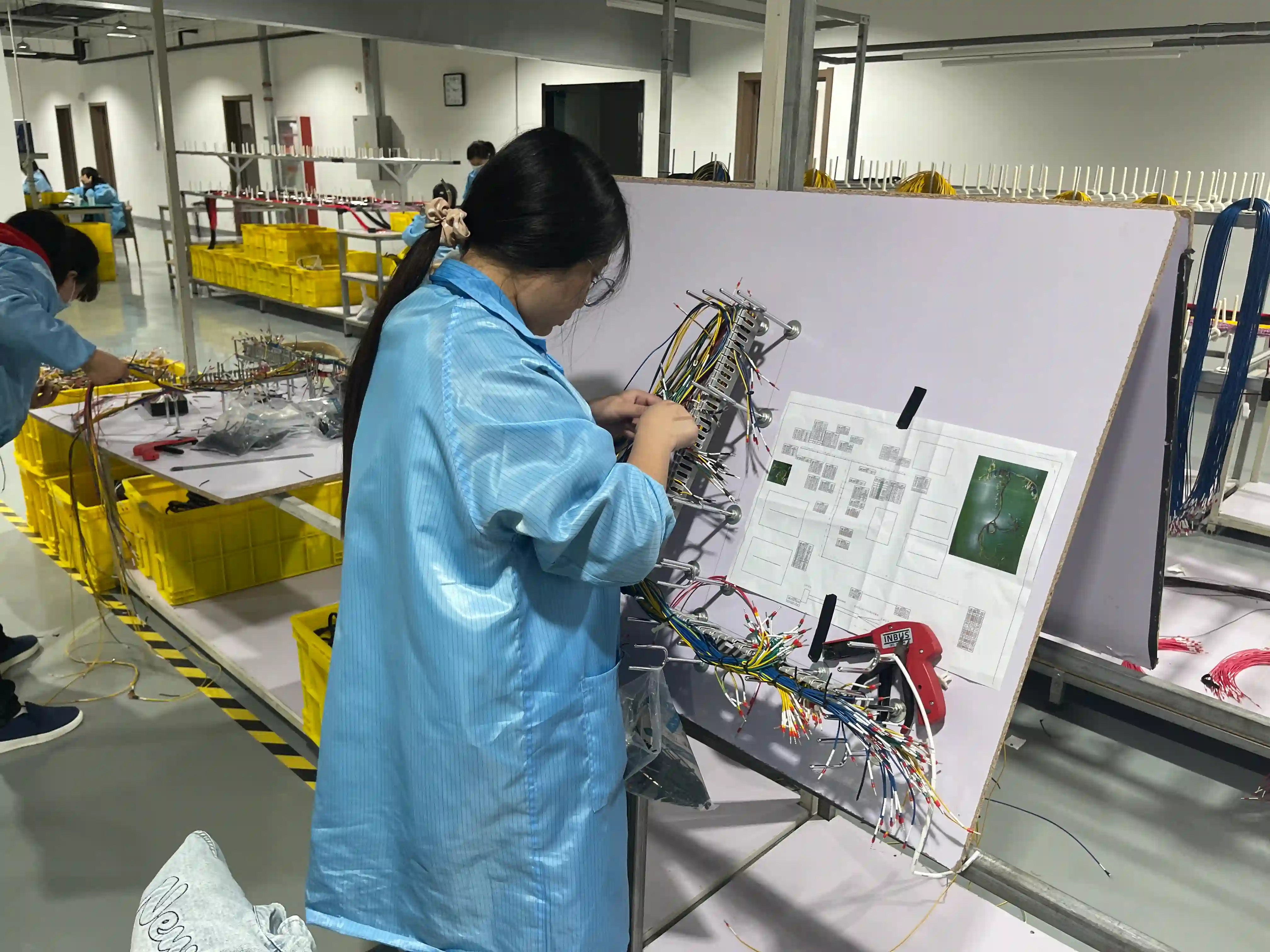
Typiske medisinske kabelprogrammer
NorKab støtter kabelprogrammer som trenger stabil monteringsoppførsel, kompakt føring, repeterbar kontaktterminering og dokumentert elektrisk verifisering. Det eksakte bygget varierer etter enhetsarkitektur, men dette er typene programmer der kjøpere vanligvis ønsker en dedikert medisinsk kabelproduksjonspartner.
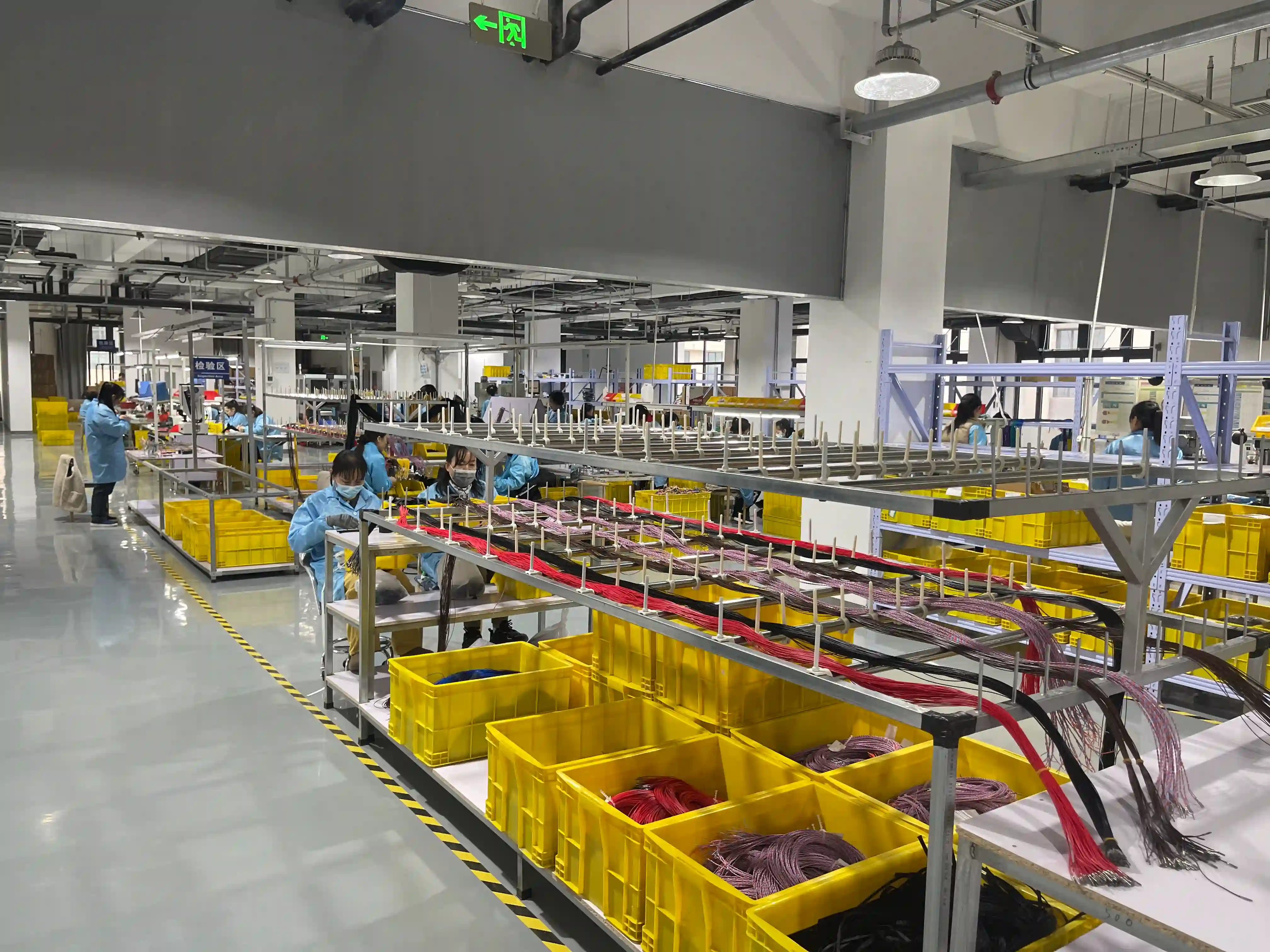
Produksjonsomfang og kontrollpunkter
Medisinske kabelprogrammer feiler sjelden fordi delenavnet var feil. De feiler fordi produksjonsdetaljene bak delenavnet ikke ble låst tidlig nok. Derfor kobler vi materialvalg, kontaktvalg, monteringsmetode og elektrisk prøving før byggingen skaleres.
| Programfokus | Medisinske kabelmontasjeer, interne enhetsledningsnett, skjermede signalkabler, strøm leads, hybrid-kabelmontasjer og service-erstatningskabler |
|---|---|
| Typiske miljøer | Klinisk utstyr, diagnostiske systemer, lab-instrumenter, bærbare enheter og kontrollerte industriell-medisinske produksjonsmiljøer |
| kontaktfamilier | Kunde-spesifiserte sirkulære, plate, forseglet, push-pull, D-sub, RF og kompakte høydensitets-grensesnitt |
| Prosesskontroller | Kutting, avisolering, krymping, skjerm-preparering, lodding ved behov, overstøping, krympestrømpe, etiketter og emballasjekontroll |
| Kvalitetsstøtte | Sporbarhet, førstestykke-gjennomgang, revisjonskontroll, partiregistreringer og utførelsesreferanser |
| Testdekning | Kontinuitet, pinnekart, polaritet, isolasjonsmotstand, trekkverifisering og prosjektspesifikke elektriske sjekker |
| Produksjonstrinn | Prototype, verifiseringslot, pilotserier, lavvolum produksjonsstart og repeterende produksjon |
| Relatert integrasjon | Kundetilpasset kabelmontasje, ledningsnett, prøving, box build og elektromekanisk monteringsstøtte |
Prosess fra RFQ til repeterende leveranse
Den raskeste måten å redusere nedstrøms reverk på er å lukke produksjonstvetydighet før den første alvorlige frigivelsen. Det betyr å bruke prototype-bygg for å validere prosessen, ikke bare den elektriske tilkoblingen.
Kravoppfangst
Vi starter med tegninger, kabelspesifikasjoner, kontaktdelenummer, applikasjonsnotater, testforventninger, rengjøringseksponering og forventet volum slik at tilbud reflekterer ekte programrisiko.
DFM- og materialgjennomgang
Kabel-OD, skjermterminering, kontaktpassform, bøyestøtte, etiketter, beslutninger om overstøp eller krympestrømpe og godkjente alternater gjennomgås før frigivelse.
Prototype og førstestykke
Innledende bygg bekrefter føring, kontaktseating, overgangskvalitet og testlogikk mens teknisk endringer fortsatt er billige å implementere.
Prosess-frigivelse
Arbeidsinstrukser, fiksturer, inspeksjonspunkter og elektrisk testoppsett fryses slik at senere partier følger samme aksepterte produksjonsmetode.
Kontrollert produksjon
Kabelmontasjer bygges med repeterbare preparering-, terminerings- og verifiseringstrinn som støtter stabil kvalitet på tvers av pilot- og repeterende ordrer.
Løpende revisjons- og leveringsstøtte
Sporbarhet og kontrollert endringshåndtering hjelper medisinsk-utstyrs team å håndtere livssyklusoppdateringer, servicebehov og langsiktig leveringskontinuitet.
Relatert teknisk innhold
Hvis du kvalifiserer en medisinsk kabelprodusent, hjelper disse ressursene vanligvis med å snevre inn RFQ- og verifiseringspakken før det første bygget.
Relaterte tjenestesider
Medisinske Bransjeløsninger
Nyttig når du trenger den bredere enhetsnivå-konteksten rundt diagnostikk, bildebehandling, etterlevelsestrykk og medisinsk produktintegrasjon.
Skreddersydd Kabelmontasje
For prosjekter der hovedspørsmålet er det eksakte kabeldesignet, kontaktstakken og materialvalget.
Kabeltesting
Se hvordan NorKab strukturerer kontinuitet, isolasjon og elektrisk verifisering for produksjonskabelprogrammer.
Overstøping
Relevant når overgangs-tetting, strekkavlastning og kontrollerte kontaktutganger er sentrale for kabelpålitelighet.
FAQ
Dette er spørsmålene kjøpere og teknisk team vanligvis stiller når de kvalifiserer medisinsk kabelleveranse for en ny eller allerede frigitt enhetsplattform.
Hva bør kjøpere se etter hos en medisinsk kabelprodusent?
De mest nyttige filtrene er prosesskontroll, sporbarhet, dokumentert testdekning, revisjonsdisiplin, materialgjennomgang og evnen til å bære prototyplæring inn i stabil repeterende produksjon.
Kan NorKab støtte både prototyper og repeterende medisinsk kabelleveranse?
Ja. Vi bruker tidlige bygg for å lukke gap rundt passform, føring, materialer og verifisering, og bærer deretter de kontrollene inn i pilot- og repeterende produksjon i stedet for å starte på nytt med en ny prosesslogikk.
Krever medisinske kabelprogrammer alltid overstøping?
Nei. Overstøping er verdifullt når kabelutganger, tetting, gjentatt bøying eller strekkavlastning er kritiske, men noen programmer betjenes bedre av kontrollert krympestrømpe, bakstykker eller andre overgangsmetoder.
Hvilken informasjon bør vi sende for en realistisk RFQ?
De beste RFQene inkluderer tegninger eller kabling-data, kontaktdelenummer, rå kabeldetaljer, rengjørings- eller miljøeksponering, forventet årlig volum, etiketter og nødvendige elektriske tester. Foto av sammenkobling-deler hjelper også.
Kan dere støtte skjermede og kompakte medisinske kabelmontasjeer?
Ja. Vi bygger skjermede, kompakte og applikasjonsspesifikke kabelmontasjeer der EMI-kontroll, føringsbegrensninger, kontakttetthet og kontrollert overgangskvalitet er viktig for feltytelsen.
Hvordan reduserer dere risiko for feltfeil i medisinsk kabelproduksjon?
Hovedkontrollene er tidlig DFM-gjennomgang, korrekt material- og kontaktvalg, repeterbare termineringsmetoder, definerte utførelseskriterier og elektrisk verifisering knyttet til det faktiske bruksområdet.
Trenger du en medisinsk kabelprodusent som kan støtte frigivelse, ikke bare prøver?
Send tegningspakken, kontaktlisten, kabelkonstruksjonen, testkravene og forventet volum. Vi kan gjennomgå byggveien, identifisere svake prosessantakelser og hjelpe med å flytte programmet mot en mer stabil produksjons-frigivelse.