BNC-kabelmontasje for Testutstyr, Video og Servicegrensesnitt
NorKab bygger BNC-kabelmontasjer for team som trenger mer enn en generisk koaksialkabel. Vi støtter 50 Ohm og 75 Ohm-programmer med kontrollert tilpasning mellom kontakt og kabel, dokumenterte avisoleringsmål og en produksjonsvei som fungerer fra prototype gjennom repeterende leveranse.
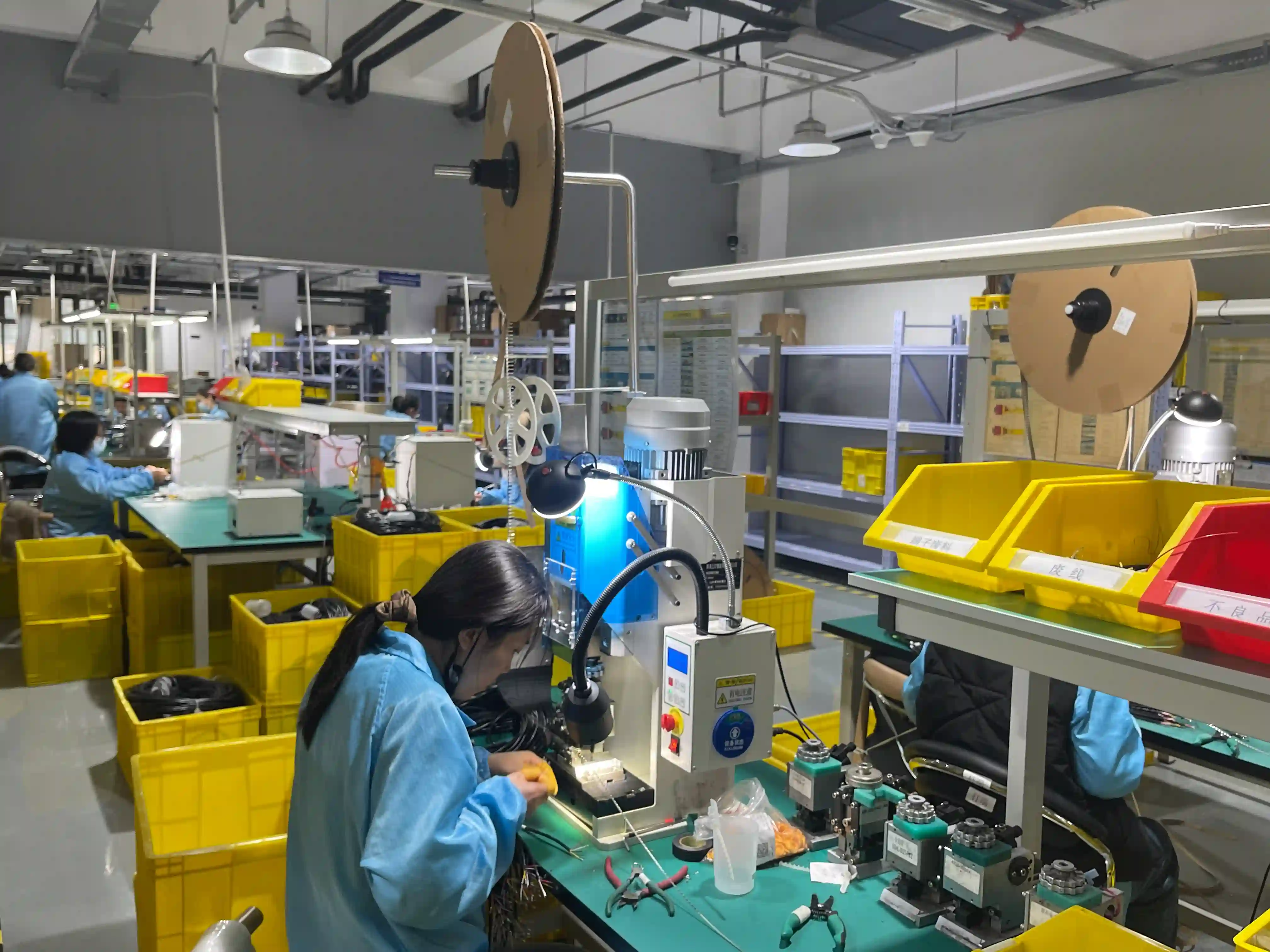
Hvorfor BNC-kabelmontasjer feiler når spesifikasjonen forblir for generisk
BNC er en kjent kontaktfamilie, og det er nettopp derfor team ofte under-spesifiserer den. En BOM-linje som bare sier BNC-kabel sier ikke om systemet er 50 Ohm eller 75 Ohm, om kabel-OD passer kontakten, eller om kabelmontasjen er ment for et panel, en benkekabel eller en serviceutskifting. Den tvetydigheten er der reverk starter.
BNC fungerer bare bra når impedans er eksplisitt
Mange innkjøp-problemer starter når en tegning bare sier BNC uten å si 50 Ohm eller 75 Ohm. Vi behandler impedans som et produksjonsinput, ikke en salgsdetalj.
Kabeltilpasning betyr like mye som kontaktfamilie
En BNC-kontakt som er korrekt for én kabelserie kan være feil for en annen. Endehylse-størrelse, sentral kontaktpassform, dielektrisk støtte og bøyeoppførsel må passe ekte kabel.
Rask sammenkobling fjerner ikke prosessdisiplin
BNC er servicevennlig fordi bajonettgrensesnittet er raskt, men termineringen krever fortsatt kontrollert avisolering, skjermfangst, strekkavlastning og tydelige akseptkriterier.
BNC er ofte en praktisk bro mellom lab og produksjon
Den brukes ofte på fiksturer, testutstyr, eldre systemer og blandede servicekabler. Det gjør dokumentasjon og repeterbarhet viktigere, ikke mindre viktig.
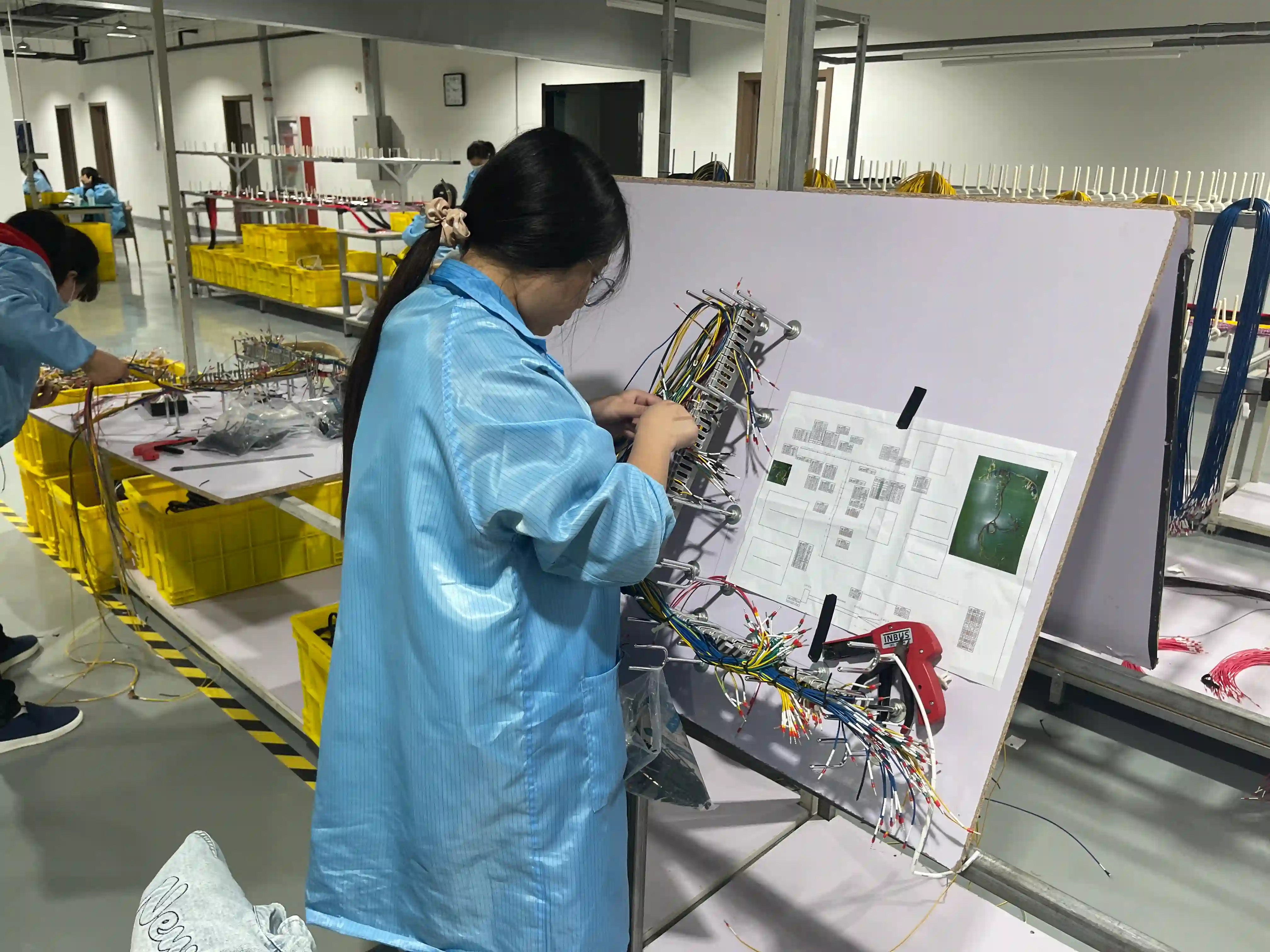
BNC-kabelen må vurderes som en del av signalbanen
En BNC-kontakt er en del av en koaksial signalbane, ikke bare en praktisk mekanisk endeavslutning. Den underliggende geometrien følger fortsatt de samme prinsippene beskrevet i offentlig dokumenterte referanser for BNC-kontakter og koaksialkabel. Derfor knytter vi BNC-prosjekter til den faktiske kabelgruppen, ikke bare sammenkobling-stilen som vises på et bilde.
Dette gjelder enten kabelmontasjen er for laboratorieutstyr, instrumentpaneler, videosystemer eller blandede RF-servicekabler. Bajonettkoblingen er rask å koble til, men produksjonen krever riktige avisoleringsmål, god passform på endehylsen, støtte for senterkontakten og tilstrekkelig bøyeradius bak kontakten.
Når kabelen skal overføre RF-signaler, må impedans og terminering vurderes etter prinsippene for transmisjonslinjer før kabelmontasjen frigis til serieproduksjon.
Vanlige utførelser av BNC-kabelmontasjer
Riktig bygg avhenger av hvordan kabelen brukes, hvor ofte den mates og om kontakten må kobles til et panel, en fikstur eller en annen RF-familie.
BNC til BNC test- og servicekabler
Kabelmontasjer for benkeoppsett, fiksturer, instrument-sammenkoblinger og feltservice kits hvor rask sammenkobling og forutsigbar utskifting er viktig.
BNC til blandede RF-grensesnitt
Kabelmontasjer som overgår fra BNC til SMA, TNC eller andre spesifiserte RF-grensesnitt når to delsystemer bruker forskjellige kontaktfamilier.
Bulkhead og panel BNC-kabelmontasjer
Panel-vendte bygg hvor gjengelengde, paneltykkelse, washer stack og kabelutgangsretning må kontrolleres samlet.
75 Ohm BNC-kabelmontasjer for video-orienterte systemer
Bygg hvor signaldistribusjon, bildebehandling eller videorelaterte grensesnitt krever riktig 75 Ohm-kjede i stedet for en generisk betegnelse som koaksialkabel.
Spesifikasjonspunkter kjøpere bør låse før bestilling
| Typiske systemer | Instrumentering, testfiksturer, laboratorieutstyr, servicekabler, video-orienterte grensesnitt og utvalgte RF-forbindelser |
|---|---|
| Impedansfokus | 50 Ohm og 75 Ohm BNC-kabelmontasjer matchet til faktisk systemkrav |
| Kontakt-former | Rett, vinkel, bulkhead, panel gjennomføring og blandede konfigurasjoner |
| Kabelalternativer | RG-serie og andre koaksial-konstruksjoner valgt etter OD, dielektrisk passform, skjerming og bøyeoppførsel |
| Prosesskontroll | Kontrollerte avisoleringsmål, skjermhåndtering, sentral kontaktpassform, endehylse krymp og strekkavlastning |
| Prøving | Kontinuitet, kortslutningssjekk, utførelsesverifisering og utvidet validering der bruksområdet krever det |
| Produksjonstrinn | Prototype, pilotparti og repeterende produksjon |
| Dokumentasjon | Arbeidsinstrukser, førstestykke-støtte, sporbarhet og revisjonskontrollert frigivelse |
Typiske bruksområder
- Laboratorieinstrumenter og målesystemer
- Video- og bildebehandlings-sammenkoblinger
- BNC-til-SMA eller BNC-til-TNC overgangskabler
- Panel gjennomføringer og fikstur-grensesnitt
- Erstatningskabler for eldre systemer
- Servicesett og kabelmontasjer for feltservice
- Tekniske prøver for benkevalidering
- Utvalgte industrielle RF- og skjermede signal-linker
Hvordan NorKab flytter BNC-programmer fra prøve til repeterende produksjon
Målet er ikke bare å lage en kabel som fungerer én gang på benken. Målet er å lage en kabel som kan bygges igjen med samme logikk når neste parti sendes.
Applikasjons- og grensesnittgjennomgang
Vi starter med faktisk bruksområde: 50 Ohm eller 75 Ohm, kabelrute, hvor ofte kontakten skal kobles til og fra, panelkrav, kabellengde og hvordan kabelmontasjen faktisk brukes i produktet eller testoppsettet.
Tilpasning mellom kontakt og kabel og DFM
Vi verifiserer at den valgte BNC-kontakten virkelig passer kabelfamilien som anskaffes. Dette inkluderer endehylse-dimensjonering, sentral kontaktpassform, dielektrisk støtte og om kabelen er mekanisk fornuftig for installasjonsplassen.
Prototype og prosesslås
Innledende bygg brukes til å validere passform, kontaktoppførsel, håndtering og grunnleggende testtilnærming. Avisoleringsmål, monteringsrekkefølge og visuelle sjekkpunkter låses deretter før oppskalering.
Kontrollert repeterende produksjon
Produksjonsserier følger dokumenterte regler for preparering, terminering og verifisering, slik at den godkjente prøve-oppførselen kan repeteres uten å stole på operatørens hukommelse.
Relatert teknisk lesning for BNC og bredere koaksial-innkjøp
Disse sidene er nyttige hvis teamet ditt fortsatt definerer kontaktfamilie, impedansstrategi eller bredere koaksial-produksjonskontroller før en BNC-kabelmontasje frigjøres.
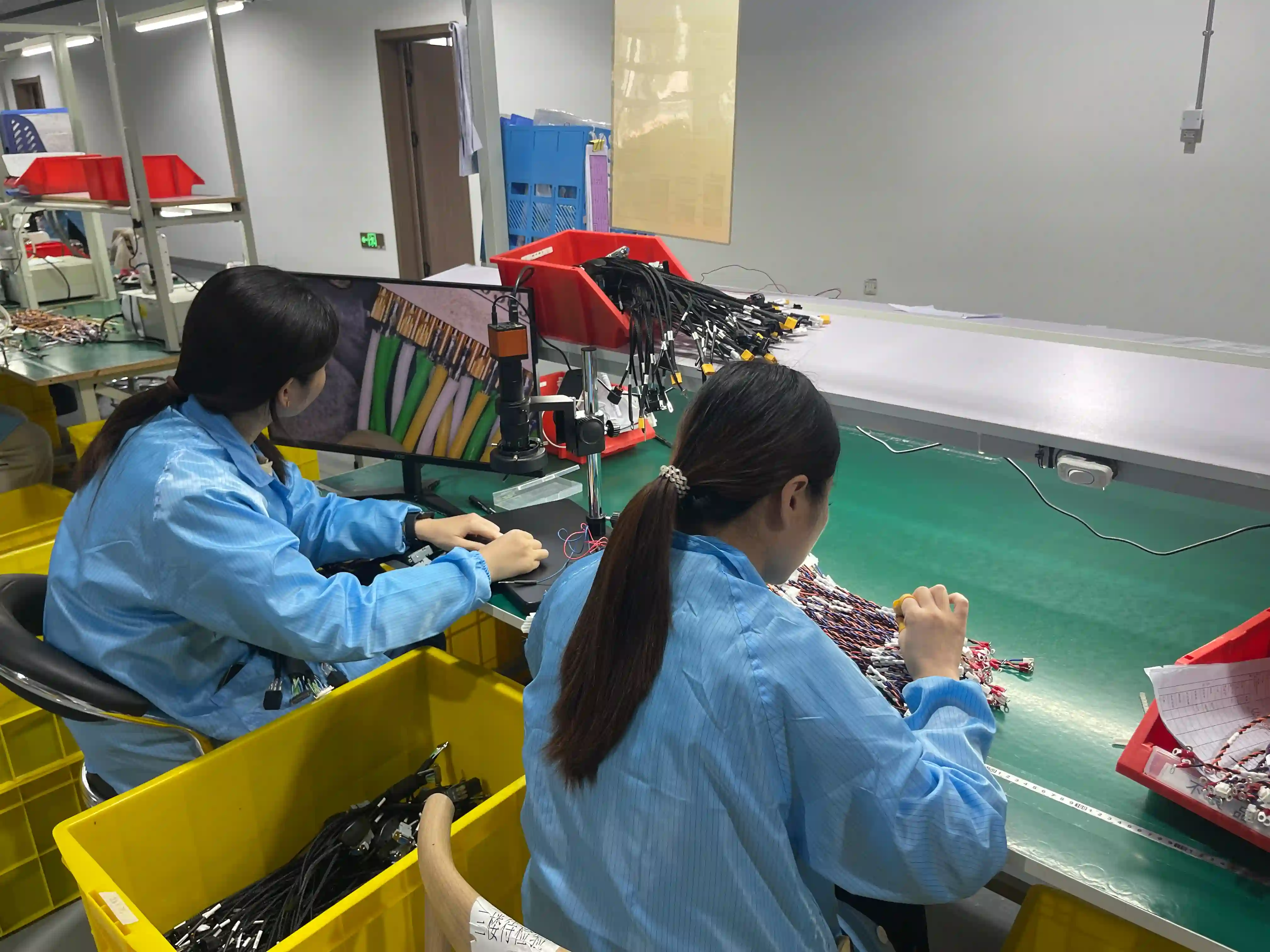
Relaterte NorKab-sider
BNC-prosjekter overlapper ofte med bredere koaksial-beslutninger, kontaktendringer og produksjonstest-planlegging.
Koaksial Kabelmontasje
Bruk denne når programmet spenner over flere impedansfamilier, kabelgrupper eller RF-kontakttyper utover bare BNC.
SMA-kabelmontasje
Relevant når applikasjonen trenger et kompakt gjenget RF-grensesnitt i stedet for en bajonettstil BNC-tilkobling.
RG214 Kabelmontasje
Nyttig når byggingen krever en større, mer robust koaksial-plattform og BNC-siden bare er en del av beslutningen.
Kabeltesting
Se hvordan NorKab strukturerer verifisering, sporbarhet og frigivelsessjekker for produksjonskabelprogrammer.
FAQ
Korte svar på spørsmålene kjøpere vanligvis stiller før bestilling av en BNC kabelmontasje.
Hva er en BNC-kabelmontasje?
En BNC-kabelmontasje er en koaksialkabel terminert med BNC-kontakter, vanlig brukt til instrumentering, laboratorieutstyr, videolinker, servicekabler og utvalgte RF-systemer. Det kritiske punktet er ikke bare kontaktnavnet, men om impedans, kabelserie, endehylsestørrelse og testforventninger er låst korrekt.
Kan NorKab bygge både 50 Ohm og 75 Ohm BNC-kabelmontasjer?
Ja. Vi støtter både 50 Ohm og 75 Ohm BNC-kabelmontasjer. Riktig versjon avhenger av systemkravet, kabelkonstruksjon, sammenkoblingsgrensesnitt og signalmiljø. Vi behandler ikke 50 Ohm og 75 Ohm som utskiftbare bare fordi kontaktfamilien ser lik ut.
Når er BNC bedre enn SMA eller FAKRA?
BNC er ofte et praktisk valg når rask tilkobling og frakobling er viktigere enn et gjenget RF-grensesnitt, og når installasjonen er bygget rundt instrumentering, benkeutstyr, videosystemer eller servicetilgang. SMA er ofte bedre for kompakte gjengede RF-tilkoblinger, mens FAKRA vanligvis er mer egnet for nøklede bilindustri koaksial-grensesnitt.
Hvilke kabeltyper brukes vanligvis sammen med BNC-kontakter?
Det avhenger av impedans, fleksibilitet, plass for føring og selve kontaktserien. Typiske alternativer inkluderer mindre 50 Ohm-kabler som RG174 eller RG316, større 50 Ohm-alternativer og 75 Ohm video-orienterte konstruksjoner som RG59 eller lignende varianter. Den eksakte kontakten må passe ekte kabel-OD og dielektrisk struktur.
Hvordan tester dere BNC-kabelmontasjer?
Testomfang avtales; kontinuitets-, pinnekart- og kortslutningstest på hver enhet kan avtales. Visuell utførelse, polaritet, holdekraft, mål, isolasjon og RF-egenskaper kontrolleres etter prosjektets testplan.
Kan dere støtte prototyper og repeterende produksjon for BNC-kabelmontasjer?
Ja. Vi bygger tekniske prøver, pilotpartier og repeterende produksjon med samme prosesslogikk: kontaktkabel-gjennomgang, dokumenterte avisoleringsmål, arbeidsinstrukser og testdefinisjon før jobben skaleres.
Trenger du en BNC-kabelmontasje som er spesifisert tydelig nok til å gjentas?
Send impedans, kontaktkjønn, kabelfamilie, lengde, paneldetaljer og testforventninger. NorKab kan hjelpe deg å gjøre en generisk BNC-forespørsel om til en produksjonsklar kabelmontasjeplan.