Kabelmontasjesprodusent for Prototype, Pilot og Repeterende Produksjon
NorKab støtter OEM- og industrielle team som trenger mer enn en generisk kabelleverandør. Som kabelmontasjesprodusent fokuserer vi på DFM-gjennomgang, kontrollert terminering, dokumentert prøving og repeterbar frigivelse fra prototype gjennom volumproduksjon.
Dette er viktig når kabelmontasjen må overleve ekte installasjon, service og feltbelastning, ikke bare passere en benketest én gang. Kjøpere kommer vanligvis til denne siden når de trenger tillit til prosesskontroll, revisjonsdisiplin og langsiktig leveranse, ikke bare en lav initial enhetspris.
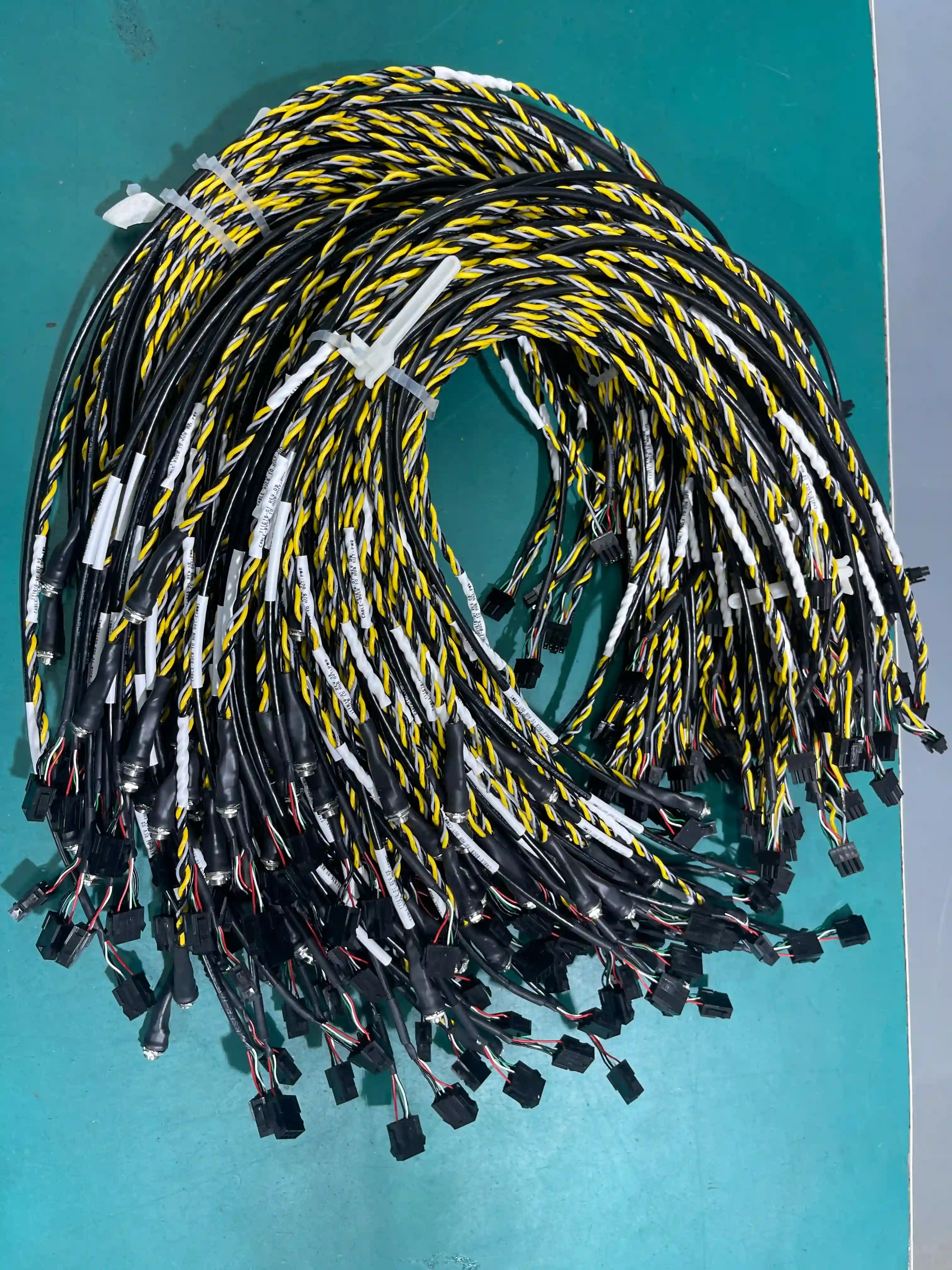
Hvorfor kjøpere søker etter en kabelmontasjesprodusent i stedet for bare kabelmontasje
Søkeintensjonen er vanligvis kommersiell og kvalifiseringsdrevet. Team sammenligner leverandører på teknisk kvalitet, frigivelsesdisiplin og leveringsstabilitet.
En kabelmontasjesprodusent vurderes på prosess, ikke bare pris
Innkjøpsteam søker vanligvis dette begrepet når de trenger bevis på at en leverandør kan flytte fra prøve-bygg til stabil repeterende produksjon uten kvalitetsavvik.
Den høyeste risikoen er ofte gjemt i udefinerte detaljer
Kontakt-orientering, ledning preparering, skjermterminering, etiketter, krympestrømpe-overlapp og testgrenser er små poster på papir, men vanlige årsaker til feltfeil og reverk.
Prototyp-suksess er ikke nok
En prøve som fungerer én gang betyr ikke automatisk at samme kabelmontasje kan bygges repeterbart i 200, 2 000 eller 20 000 stykker. Prosess-frigivelse må engineeres.
Hva NorKab vektlegger som kabelmontasjesprodusent
Vi fokuserer på produksjonskontrollene som avgjør om en kabelmontasje fortsetter å fungere etter forsendelse, og om neste parti oppfører seg som den godkjente.
DFM før frigivelse
Vi gjennomgår tegninger, BOM, kabelkonstruksjon, kontaktvalg, strekkavlastning og testforventninger før jobben låses for produksjon.
Kontrollert krymping og preparering
Kabelkutting, avisolering, krympeinnstillinger, skjermhåndtering og overstøp- eller krympestrømpe-detaljer knyttes til arbeidsinstrukser i stedet for operatørens hukommelse.
100% elektrisk verifisering
Kontinuitet, pinnekart, polaritet og prosjektspesifikke sjekker som isolasjon eller hi-pot defineres tidlig slik at testtrinnet støtter produksjon i stedet for å skjule prosessvakhet.
Dokumentasjon som støtter ekte innkjøpsbeslutninger
Vi støtter førstestykke-data, materialesporbarhet, revisjonskontroll og frigivelsespakker som hjelper OEM-team å kvalifisere en kabelmontasjesprodusent med mindre tvetydighet.
Prototype til volum under én prosesslogikk
Tidlige bygg brukes til å validere passform, føring og testdekning, og denne læringen bæres deretter inn i pilot- og repeterende ordrer i stedet for å starte på nytt med en ny leverandør.
Integrasjon utover kabelen selv
Når kabelmontasjen tilhører innenfor en box build eller elektromekanisk enhet, håndterer vi kabelen som en del av den komplette installasjonen i stedet for som et isolert delenummer.
Vurderingssjekkliste for valg av kabelmontasjesprodusent
En sterk leverandør bør koble teknisk, produksjon og frigivelseskontroll. Hvis selv ett av disse områdene er svakt, blir den endelige kabelmontasjen ofte dyr på skjulte måter gjennom forsinkelser, feltproblemer eller re-kvalifisering.
| Område | Hva man skal verifisere |
|---|---|
| Teknisk-gjennomgang | Kan leverandøren utfordre svake tegninger, kontaktmisforhold og urealistiske toleranser før de blir produksjonsproblemer? |
| Produksjonskontroll | Er ledning preparering, krympeverktøy, skjermterminering, etiketter og visuelle referanser låst i en repeterbar prosess? |
| Testdisiplin | Er det tydelig dekning for pinneoppsett, kortslutning, brudd, isolasjon og andre kritiske risikoer, eller bare en generisk pass/fail-uttalelse? |
| Endringshåndtering | Kan revisjoner, alternater og obsolescence håndteres uten å miste sporbarhet? |
| Klar for oppskalering | Kan samme partner støtte prototype, pilot og repeterende produksjon med stabile leveringstider og dokumentasjon? |
| Forsyningskjede-resiliens | Kan kritiske kontakter, terminaler og rå kabel planlegges med prognoselogikk og godkjente substitusjoner? |
Standarder og referanser kjøpere ofte bruker
Utførelses- og frigivelsesforventninger for kabelmontasjeer rammes ofte rundt offentlige referanser som IPC, ISO 9000 og grunnleggende elektriske kontakt -prinsipper når kontaktvalg, termineringskvalitet og utførelse må diskuteres i et felles språk.
For ruggede eller forseglet produkter må grensesnittet også matche realistiske miljøforventninger som IP-beskyttelsesgrader. Derfor kobler vi designgjennomgang med faktiske applikasjonsforhold i stedet for å behandle kabelmontasjen som en generisk commodity-kabel.
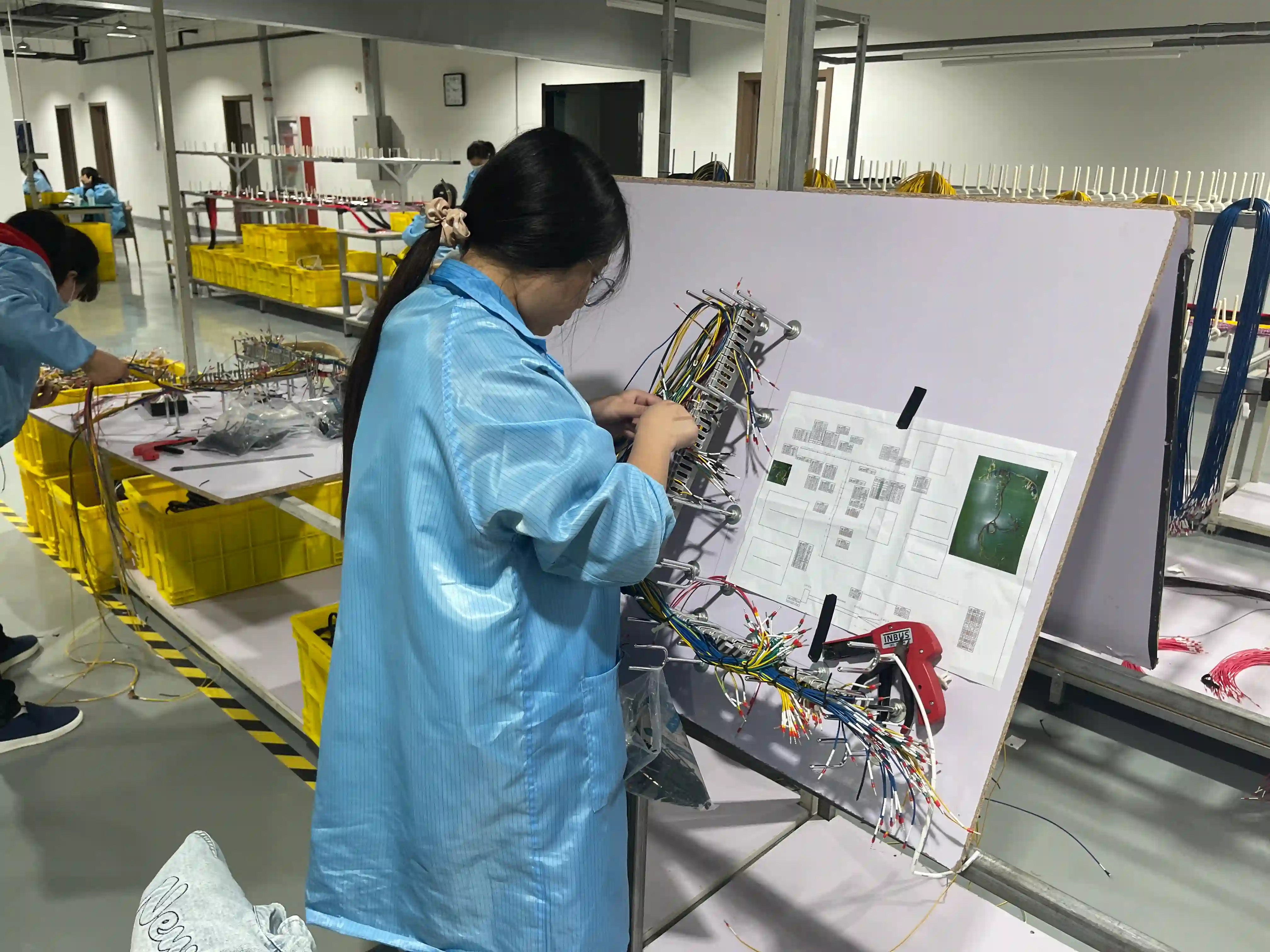
Typisk produksjonsomfang og prosesskontroller
Den eksakte prosessen avhenger av om produktet er en skjermet datakabel, en robust strøm lead, en overstøpt kabelmontasje, en FFC/FPC-relatert sammenkobling eller et hybrid delsystem. Det felles kravet er at prosessen må være dokumentert og repeterbar.
| Kapabilitet | Detaljer |
|---|---|
| Kabelmontasje-omfang | Flerleder, strøm, signal, hybrid, skjermede, koaksial-relaterte, FFC/FPC-relaterte og overstøpte kabelmontasjeer |
| Ledning- og kabelområde | Tynne signal-wires gjennom høyere strøm strøm-konstruksjoner, valgt per applikasjon og miljø |
| kontaktfamilier | Molex, TE, JST, Hirose, Harting, Deutsch, Amphenol, sirkulære, forseglet og kundetilpasset kunde-spesifiserte grensesnitt |
| Prosesskontroller | Kutting, avisolering, krymping, skjerm-preparering, fortinning der det kreves, krympestrømpe, etiketter, fikstur-støtte og emballasjekontroll |
| Testdekning | Kontinuitet, pinnekart, polaritet, isolasjonsmotstand, hi-pot, trekkverifisering og prosjektspesifikke funksjonelle sjekker |
| Dokumentasjon | BOM-gjennomgang, førstestykke-støtte, revisjonsporing, partisporbarhet og visuelle utførelsesreferanser |
| Produksjonstrinn | Prototype, pilot, lavvolum ramp, repeterende partier og sustained volumleveranse |
| Relatert integrasjon | Ledningsnett, box build, elektromekanisk montering og feltservice erstatningsprogrammer |
Hvordan vi flytter en kabelmontasje fra RFQ til stabil leveranse
Målet er ikke bare å bygge den første partiet korrekt. Det er å gjøre fremtidige partier forutsigbare for teknisk-, innkjøps- og serviceteam.
Kravoppfangst
Vi starter med tegninger, prøve-foto, sammenkobling-deler, BOM, testkrav, forventet volum og miljøeksponering. Manglende informasjon identifiseres før tilbud blir villedende.
DFM- og innkjøp-gjennomgang
Kontakt-passform, valg av rå kabel, skjermingsmetode, strekkavlastning, etiketter, emballasje og godkjente alternater gjennomgås slik at kabelmontasjen kan produseres og serviceres konsekvent.
Prototype og førstestykke
Innledende bygg bekrefter form, passform, føring, utførelsesaksept og testsekvens. Dette trinnet brukes til å lukke kvalitetsgap mens endringskostnaden fortsatt er lav.
Prosess-frigivelse
Arbeidsinstrukser, fiksturer, krympeinnstillinger, testbord og inspeksjonssjekkpunkter fryses før oppskalering til repeterende produksjon.
Kontrollert produksjon
Kabelmontasjer produseres med repeterbare preparering-, terminerings- og verifiseringstrinn slik at senere partier oppfører seg som den godkjente første partiet.
Repeterende leveranse og revisjonsstøtte
Prognoseplanlegging, partisporbarhet og teknisk endringskontroll bidrar til å opprettholde leveringskontinuitet uten å re-kvalifisere hele kabelprogrammet hver gang.
Relaterte tjenestesider for kjøpere som sammenligner alternativer
Skreddersydd Kabelmontasje
Nyttig når prioriteten er det eksakte kabeldesignet, materialestakken og kontaktkonfigurasjonen i stedet for leverandørvurderingskriterier.
Kundetilpasset Overstøpt Kabelmontasje
For bygg hvor kontaktoverganger, tetting og kontrollerte kabelutganger er sentrale for pålitelighet.
Kabeltesting
Se hvordan NorKab strukturerer kontinuitet, isolasjon og elektrisk verifisering på tvers av produksjonsprogrammer.
box build
Relevant når kabelmontasjeen bare er én del av et større ferdig produkt eller delsystem.
Støttende lesning før leverandørgodkjenning
Disse artiklene er nyttige når teamet ditt trenger å samkjøre tegningskvalitet, førstestykke-forventninger og utførelseskriterier før et program frigjøres.
FAQ om valg av kabelmontasjesprodusent
Hva bør kjøpere se etter hos en kabelmontasjesprodusent?
De mest nyttige filtrene er teknisk dybde, prosesskontroll, testdekning, dokumentasjonsdisiplin, endringshåndtering og evnen til å skalere fra prototype til repeterende produksjon uten kvalitetsavvik.
Kan NorKab støtte både prototyp- og volumkabelmontasjesproduksjon?
Ja. Vi bruker prototyp- og pilotbygg for å validere passform, føring, materialer og testlogikk, og bærer deretter den prosessen inn i repeterende produksjon slik at læring ikke går tapt mellom trinnene.
Hvilken informasjon bør vi sende for en nyttig RFQ?
En sterk RFQ inkluderer tegninger eller kabling diagram, kontaktdelenummer, rå kabeldetaljer, lengder, etiketter, testkrav, forventet årlig volum og applikasjonsmiljø. Foto av sammenkobling-deler hjelper også.
Støtter dere skjermede og robust kabelmontasjeer?
Ja. Vi bygger skjermede, overstøpte, vannmotstandsdyktige og applikasjonsspesifikke kabelmontasjer hvor EMI-kontroll, strekkavlastning, tetting eller gjentatt bøying er viktig for feltytelsen.
Hvordan reduserer dere risikoen for feltfeil?
Hovedkontrollene er tidlig DFM-gjennomgang, korrekt material- og kontaktvalg, kontrollerte termineringsmetoder, definerte utførelseskriterier og elektrisk verifisering knyttet til den ekte bruksområdet.
Kan en kabelmontasjesprodusent også støtte box build eller elektromekanisk integrasjon?
Ja. Når kabelen er en del av et større delkabelmontasje eller ferdig enhet, kan vi støtte integrasjon slik at kabelføring, montering og grensesnittrisikoer løses før sluttmontering blir ustabil.
Trenger du en kabelmontasjesprodusent som kan støtte kvalifisering og repeterende leveranse?
Send NorKab tegningspakken din, kontaktlisten, målvolumet og testkravene. Vi kan gjennomgå produksjonsbarheten, fremheve innkjøp- eller prosessrisikoer og foreslå en produksjonsvei som er realistisk fra første prøve gjennom langsiktig leveranse.