Medisinske Kontakt-produsenter for Kundetilpasset Kabelmontasjeer
NorKab støtter enhetsteam og kjøpere som vurderer medisinske kontaktprodusenter for skreddersydde kabelmontasjeer. Vi hjelper med å kvalifisere kontaktfamilien, kontrollere overgangen bak grensesnittet, verifisere den ferdige kabelmontasjen og frigi en repeterbar produksjonsmetode som holder utover det første godkjente prøven.
Hvorfor dette emnet er viktig i medisinsk kabel-innkjøp
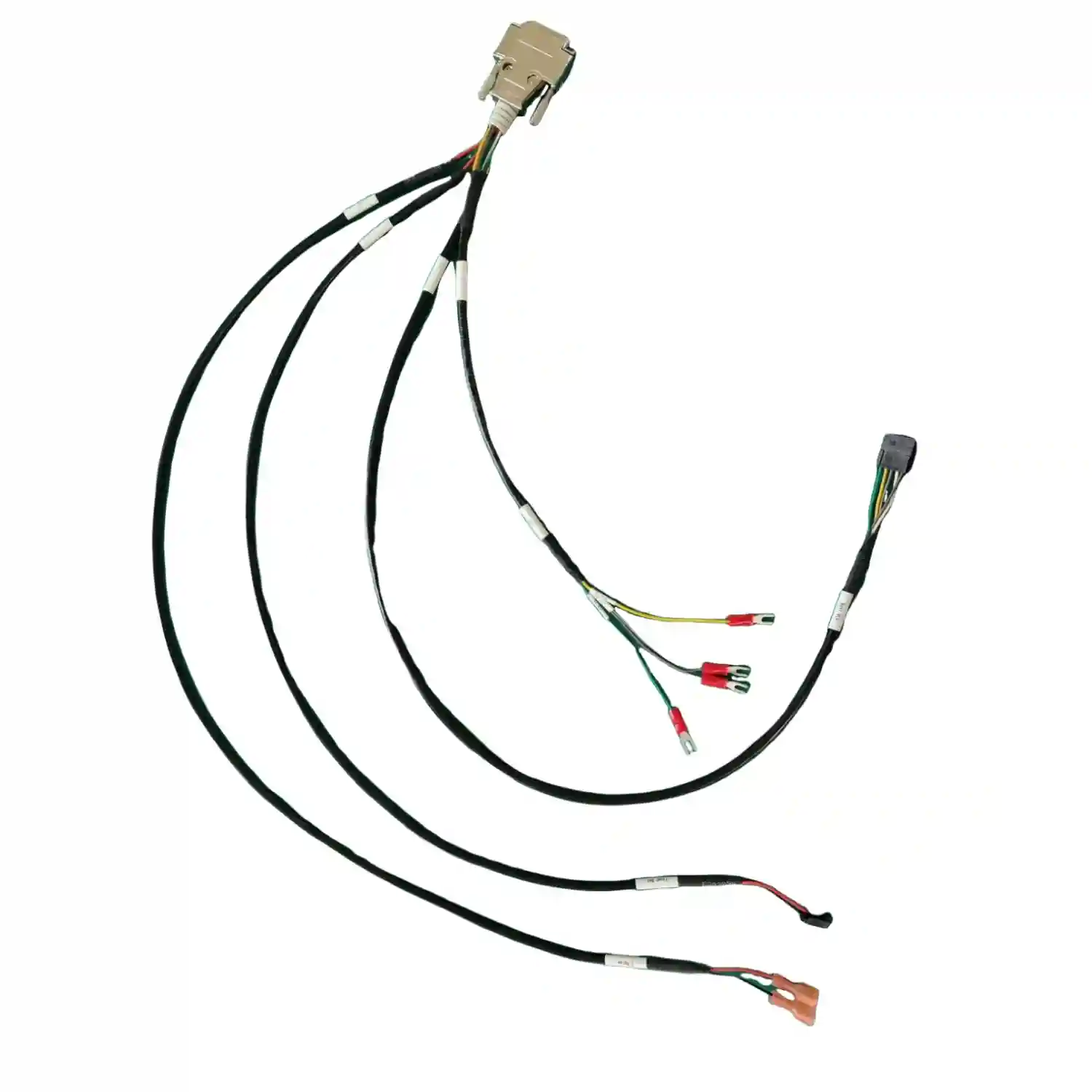
Medisinsk kontaktvalg feiler sjelden fordi overskrifts-delenummeret så feil ut. Det feiler fordi den komplette kabelmontasjen ikke ble kvalifisert som et ekte produksjonsgrensesnitt med definert føring, rengjøringseksponering, testlogikk og overgangskontroll.
Medisinsk kontaktvalg er en systembeslutning, ikke en katalogbeslutning
Kontakten, kabel-kappeen, strekkavlastning, rensbarhet, sammenkobling-syklus-mål og føringsplass interagerer alle. En del som ser passende ut på papir kan fortsatt skape håndterings-, tetting- eller valideringsproblemer når den er bygget inn i hele kabelmontasjeen.
Kontakt-risiko dukker vanligvis opp i overgangssonen
De fleste feltfeilene er knyttet til de siste centimeterne bak grensesnittet: svak bøyekontroll, dårlig skjermterminering, ustabil krymping, overstøpningsgeometri-drift eller rengjøringseksponering materialestakken ikke tåler.
Kjøpere trenger en produsent som kan kvalifisere hele kabelmontasjen
Team som vurderer medisinske kontaktprodusenter trenger vanligvis mer enn anskaffede deler. De trenger teknisk gjennomgang, kontrollerte prøver, produksjonsinstrukser og testlogikk som holder gjennom prototype, pilot og repeterende leveranse.
Hva NorKab støtter i medisinske kontaktprogrammer
Vi fokuserer på den kontaktiserte kabelmontasjeen selv: materialestakken, termineringsmetoden, overgangsgeometrien og produksjons-frigivelsen som trengs for å gjøre det godkjente prøven repeterbart.
Kundetilpasset medisinsk kabel- og kontaktbygging
Vi bygger komplette medisinske kabelmontasjeer rundt kunde-spesifiserte kontaktfamilier, enhetssidens grensesnitt og monteringsbegrensninger i stedet for å presse en generisk kontaktplattform.
kontaktfamilie- og kabelstack-gjennomgang
Ledning-gauge, kabel-OD, skjerming, latch-stil, bøyeplass, rengjøringseksponering og service-tilgang gjennomgås sammen før frigivelse fryses.
Kontrollert overgangsdesign
Vi støtter beslutninger om strekkavlastning, krympestrømpe, bakstykke og overstøping slik at kontaktenden forblir stabil under gjentatt håndtering, føringstrykk og installasjonsvariasjon.
Elektrisk og utførelsesverifisering
Kontinuitet, pinnekart, isolasjon og prosjektspesifikke sjekker pares med visuelle kriterier slik at kontaktkvaliteten bekreftes som en repeterbar prosess i stedet for å vurderes ett prøve om gangen.
Kontinuitet fra prototype til repeterende produksjon
Prototyp-tilbakemelding på kontaktpassform, utgangsvinkel, rengjøringskompatibilitet og merking bæres direkte inn i pilot- og repeterende produksjon i stedet for å starte på nytt med en ny prosessbane.
Støtte for enhets- og box build-integrasjon
Når kabelen bare er én del av et medisinsk delsystem, behandler vi den kontaktiserte kabelmontasjen som en del av den endelige installasjonen, serviceflyten og emballasjelogikken.
Vurderingskriterier kjøpere bør sjekke
| Vurderingsområde | Hva man skal verifisere |
|---|---|
| Grensesnitt-passform | Matcher kontaktfamilien faktisk pin-antall, sammenkobling-orientering, holdekraft-stil, kabel-OD og enhets-emballasjebegrensninger? |
| Material- og rengjøringskompatibilitet | Kan hus, tetninger, kabelkappe og overgangsmaterialer tåle den ekte rengjørings- eller håndteringseksponeringen uten tidlig degradering? |
| Termineringsdisiplin | Er krympevinduer, loddepunkter når spesifisert, skjermterminering og strekkavlastningsmetoder definert tett nok for repeterende leveranse? |
| Testlogikk | Vil den endelige kabelmontasjen frigjøres med meningsfull kontinuitet, pinnekart, isolasjon og applikasjonsspesifikk verifisering i stedet for bare visuell godkjenning? |
| Endringskontroll | Kan produsenten håndtere godkjente alternater, kontaktoppdateringer og dokumentasjonsrevisjoner uten å destabilisere produktet? |
| Leveringskontinuitet | Kan samme partner støtte prøver, kvalifiseringslot, lavvolum produksjon og senere repeterende ordrer under samme prosesslogikk? |
Typiske medisinske kontaktapplikasjoner
- Pasientmonitorering og kroppsnær lead-kabelmontasjer
- Diagnostiske og laboratorieutstyrs-sammenkoblinger
- Bærbare enhetskabler med kompakte kontaktutganger
- Bildebehandlings-delsystem-ledningsnett og skjermede signal leads
- Terapiutstyrskabler med gjentatte tilkoblings-/frakoblingssykluser
- Service-erstatningskabler for installerte medisinske systemer
Hvorfor overgangen bak kontakten betyr mest
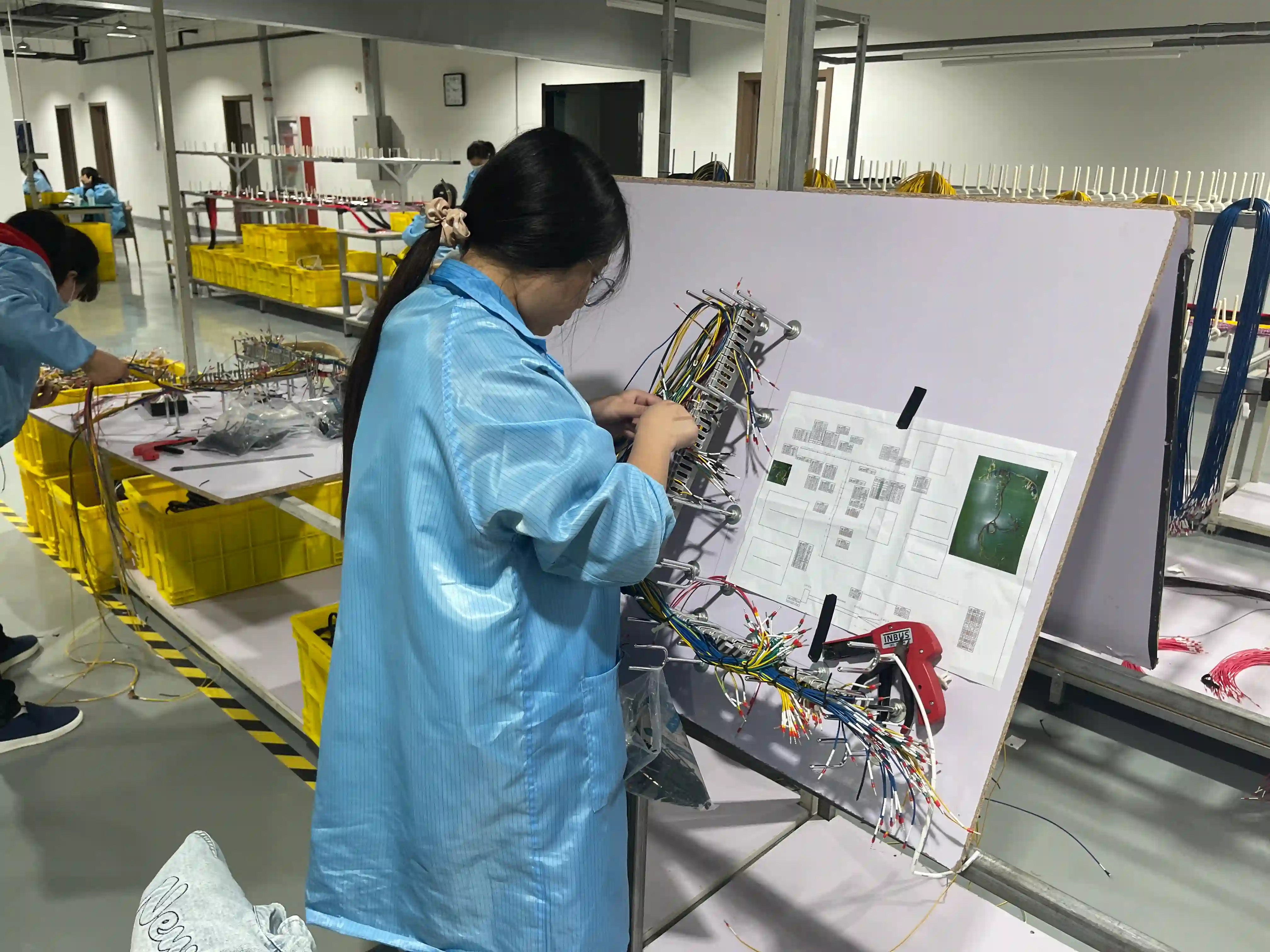
Kontakt-grensesnittet får oppmerksomheten, men det svake punktet er vanligvis kabelutgangen. Hvis kabelmontasjen forlater kontakten med ustabil bøyekontroll, dårlig skjermterminering eller feil strekkavlastningsmetode, kan et medisinsk program passere tidlig benkegjennomgang og fortsatt skape feil i service eller produksjon.
Derfor behandler NorKab kontaktfamilie-gjennomgang, kabelkonstruksjon, føringsgeometri og verifisering som én frigivelsespakke. Mange av de samme produksjonskontrollene vises også i våre sider om overstøping og kabeltesting, fordi kontaktbeslutningen er bare så sterk som prosessen som brukes til å bygge og verifisere den.
Programspesifikasjoner og kontroller
| Programomfang | Medisinske kontaktiserte kabelmontasjeer, kompakte enhetskabler, skjermede sammenkoblinger, hybride strøm-signal-kabler og service-erstatninger |
| kontaktkategorier | Kunde-spesifiserte sirkulære, push-pull, kompakte plate-relaterte, forseglet, D-sub, RF og høydensitets-grensesnitt |
| Kabelkontroller | Ledning-kutting, avisolering, krymping, skjermhåndtering, lodding ved behov, krympestrømpe, etiketter, overstøping og emballasjekontroll |
| Kvalitetsstøtte | Førstestykke-gjennomgang, sporbarhet, revisjonskontroll, partiregistreringer og utførelsesreferanser |
| Verifisering | Kontinuitet, pinnekart, polaritet, isolasjonsmotstand, trekkverifisering og prosjektspesifikke elektriske sjekker |
| Produksjonstrinn | Prototype, verifiseringslot, pilot frigivelse, lavvolum produksjonsstart og repeterende produksjon |
| Relatert integrasjon | Medisinske kabelmontasjeer, prøving, overstøping, box build og elektromekaniske delassemblies |
Prosess fra kontaktgjennomgang til repeterende leveranse
Fang det ekte kontaktproblemet
Vi starter med tegninger, kabelspesifikasjoner, motkontaktreferanser, rengjøringseksponering, testkrav og forventede serviceforhold slik at kontaktvalget knyttes til produktet, ikke bare BOMen.
Gjennomgå kontaktkabel-materialestakken
Kabel-OD, skjermterminering, latch-tilgang, husgeometri, strekkavlastningsmetode og godkjente alternativer gjennomgås før prototype-frigivelse.
Bygg og kvalifiser kontrollerte prøver
Tidlige bygg bekrefter sammenkobling-passform, utgangsgeometri, bøyeoppførsel, monteringshåndtering og testlogikk mens designendringer fortsatt er rimelige.
Frys produksjonsmetoden
Arbeidsinstrukser, inspeksjonspunkter, fiksturer og elektrisk testoppsett låses slik at pilot- og repeterende ordrer følger samme aksepterte metode.
Produser med sporbar verifisering
Kabelmontasjer bygges med repeterbare termineringer- og inspeksjonstrinn som støtter stabil output på tvers av lavvolum medisinsk etterspørsel og pågående leveranse.
Relaterte NorKab-sider
Nyttig når du trenger den bredere leverandørvurderingssiden som dekker sporbarhet, dokumentasjon og medisinsk kabelproduksjons-frigivelse.
Relevant når hovedbehovet er en kundetilpasset kabelarkitektur bygget rundt en spesifikk kontaktfamilie og installasjonsgeometri.
Se hvordan NorKab kontrollerer kontaktoverganger, tetting-støtte og strekkavlastning i medisinske og robust kabelprogrammer.
Gjennomgå produksjonstest-tilnærmingen bak kontinuitet, isolasjon og applikasjonsspesifikk elektrisk verifisering.
Ofte stilte spørsmål
Hva bør kjøpere se etter når de sammenligner medisinske kontaktprodusenter?
De nyttige filtrene er ikke bare kontaktkatalogen. Kjøpere bør sammenligne grensesnitt-passform, rengjøringskompatibilitet, termineringsdisiplin, sporbarhet, testdekning og om leverandøren kan kvalifisere den komplette kabelmontasjeen under kontrollerte produksjonsforhold.
Produserer NorKab kontakten selv?
NorKab støtter primært medisinske kontaktprogrammer ved å bygge den komplette kabelmontasjeen rundt kunde-spesifiserte eller godkjente kontaktfamilier. Hovedverdien er teknisk gjennomgang, kontrollert terminering, overgangsdesign, prøving og repeterbar produksjons-frigivelse.
Kan dere støtte kompakte og skjermede medisinske kabelmontasjeer?
Ja. Vi bygger kompakte, skjermede og applikasjonsspesifikke medisinske kabelmontasjeer der føringsplass, EMI-kontroll, kontakttetthet og kontrollerte overganger er viktig for den endelige enhetsytelsen.
Krever medisinske kontaktprogrammer alltid overstøping?
Nei. Overstøping er nyttig når strekkavlastning, tetting-støtte, håndteringsdurabilitet eller kontrollert kabelutgangsgeometri er kritiske, men noen programmer betjenes bedre av krympestrømpe, bakstykker eller andre overgangsmetoder.
Hvilken informasjon bør vi sende for en realistisk RFQ?
De sterkeste RFQene inkluderer tegninger eller kabling-data, kontaktdelenummer, motkontaktreferanser, kabelspesifikasjoner, rengjørings- eller miljøeksponering, etikettkrav, forventet årlig volum og nødvendige elektriske tester. Foto av installasjonsområdet hjelper også.
Hvordan reduserer dere risiko for feltfeil rundt kontaktenden?
Hovedkontrollene er tidlig designgjennomgang, korrekt kontaktkabel-matching, repeterbare termineringsmetoder, definerte utførelseskriterier, kontrollert strekkavlastning og elektrisk verifisering knyttet til det faktiske bruksområdet.
Trenger du hjelp til å vurdere et medisinsk kontaktprogram?
Send kontaktreferansene, kabelspesifikasjonen, sammenkobling-detaljer, rengjøringseksponering og testmål. NorKab kan gjennomgå den kontaktiserte kabelmontasjen som et produserbart system og hjelpe med å oversette det til et stabilt prototype-, pilot- eller repeterende-produksjons-bygg.