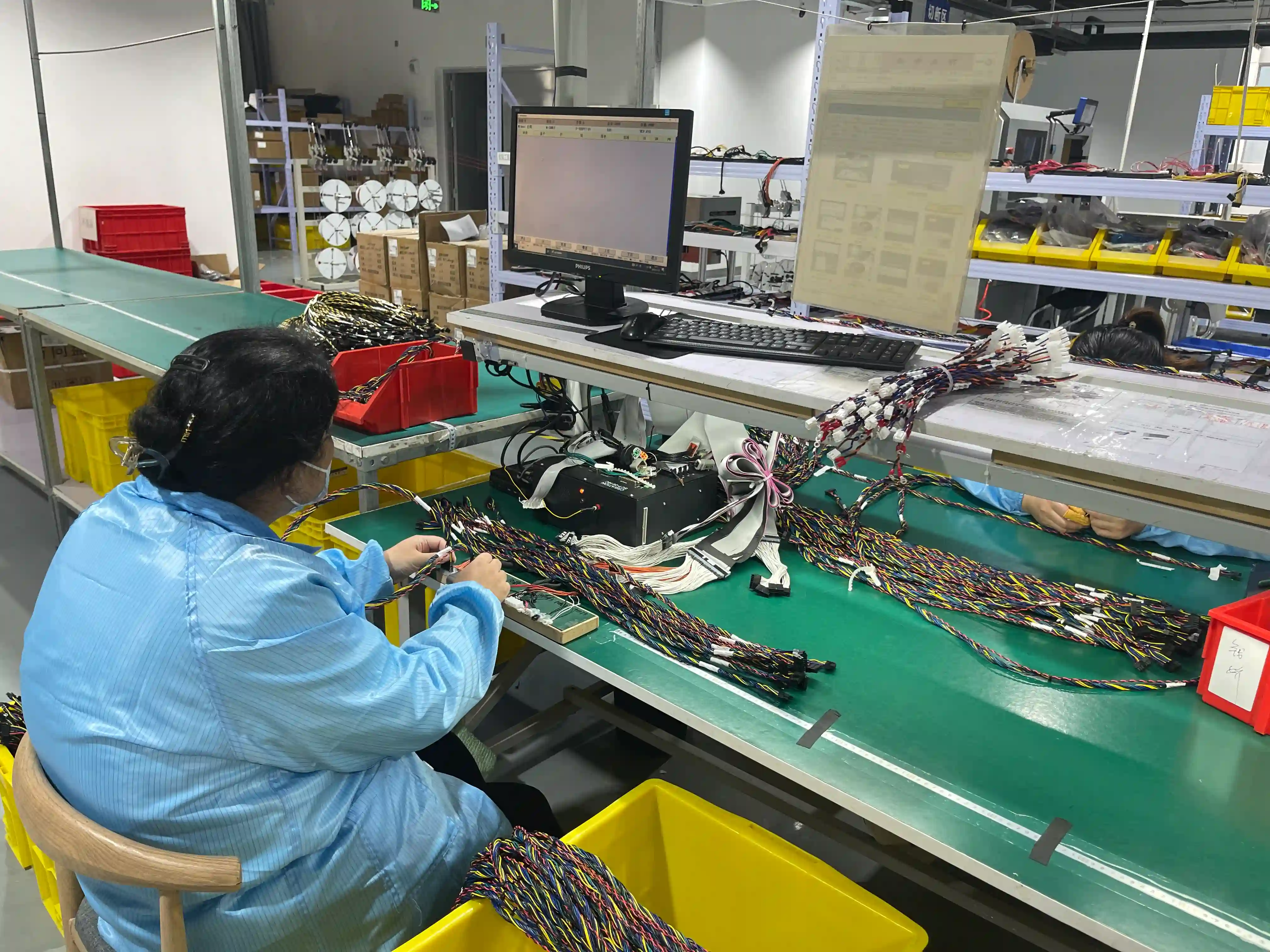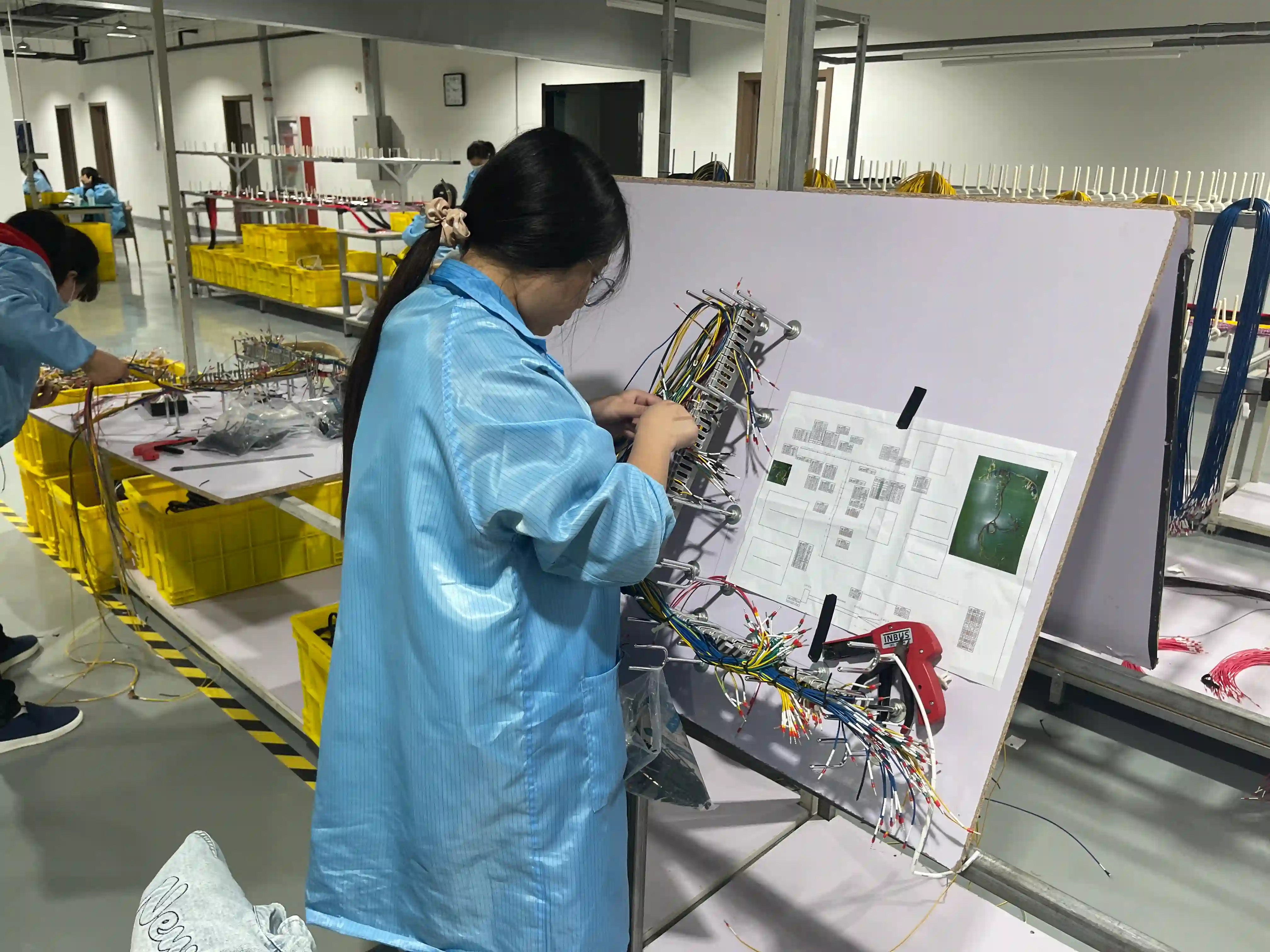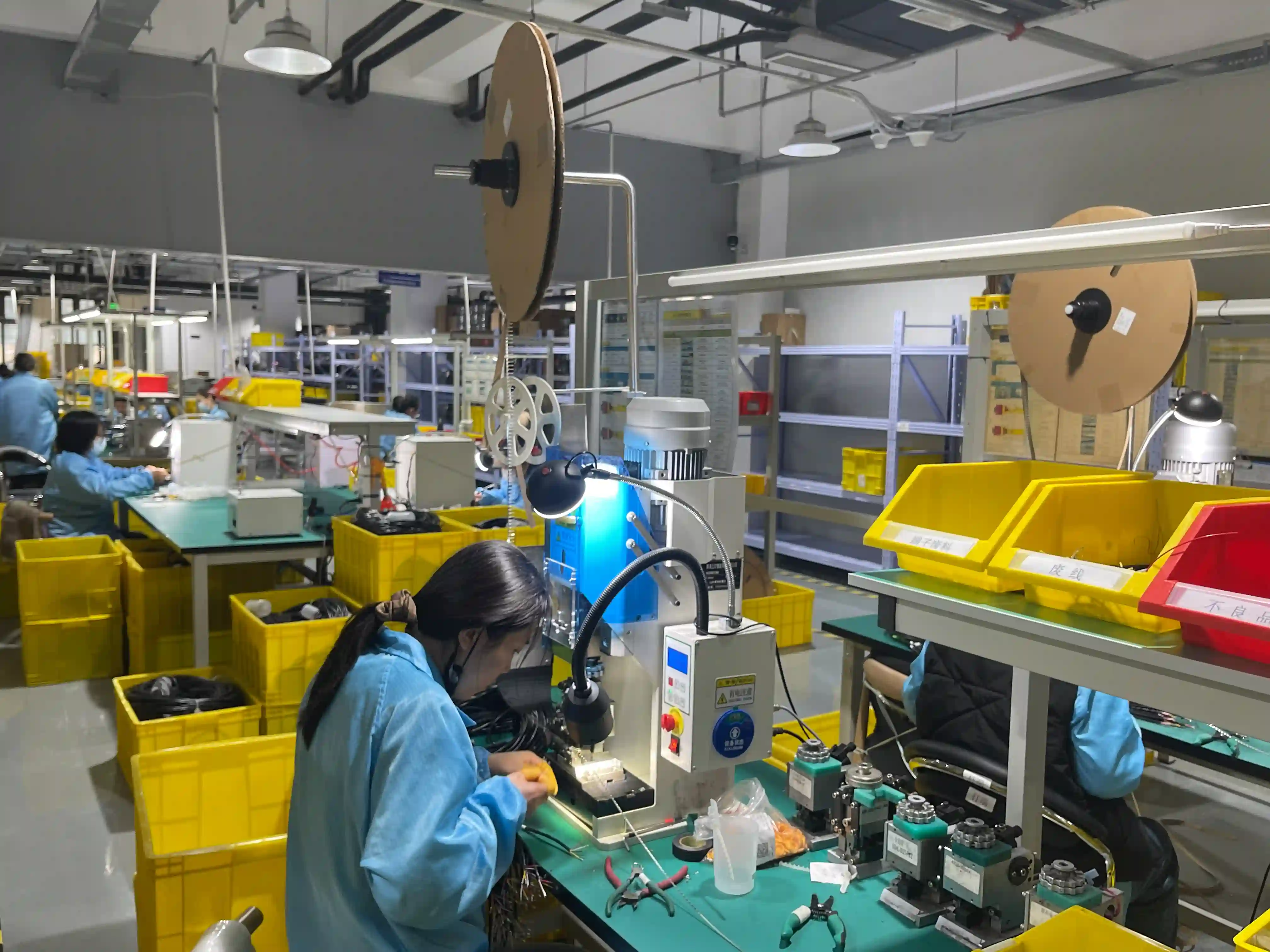
In a 2024 US electrical-supply program, a distributor ordered custom wire harnesses with Molex connectors, but a production batch came back with a connector housing color deviation against the customer's custom dyeing specification. The containment decision was not cosmetic: approximately 200 pieces reworked had to be returned, corrected, reinspected, and released without losing traceability or delaying repeat orders.
A Molex wire harness rework plan should define containment, connector identity, terminal removal rules, color and marking acceptance, electrical retest, visual inspection, lot records, and customer approval before corrected parts ship. If the supplier treats rework as bench repair only, the batch may pass continuity and still fail incoming inspection because the evidence trail is incomplete.
TL;DR: control the rework before touching the connector
- Contain the affected lot first; separate suspect, accepted, and corrected harnesses by serial or lot ID.
- Use IPC-A-620 workmanship criteria, UL-758 wire evidence, and IATF 16949-style deviation control.
- For Molex connectors, verify housing, terminal, seal, color, cavity map, and secondary lock after rework.
- Every corrected harness needs 100% electrical retest plus visual evidence tied to the original batch.
A Molex wire harness is a harness assembly that uses Molex connector housings, terminals, seals, locks, or related connector accessories as part of the electrical interface. Connector rework is the controlled removal, replacement, correction, or revalidation of a connector-related feature after a nonconformance has been found. Release control is the documented decision path that proves corrected harnesses match the drawing, customer specification, and agreed inspection criteria before shipment.
This guide is written for engineers, quality managers, and sourcing teams that already have a Molex-based harness in prototype, pilot, or repeat production. The role behind the article is a senior factory engineer with more than 20 years in wire harness and cable assembly manufacturing. The objective is practical: show how to turn a connector deviation into a controlled recovery process instead of an uncontrolled repair loop.
— Hommer Zhao, Grundlegger & CEO: When 200 harnesses need connector rework, the repair method is only half the job. The other half is proving that every corrected Molex connector still meets cavity, color, retention, and electrical test requirements.
Why Molex rework needs release control
Molex connector rework needs release control because the visible defect is rarely the only risk. A housing color deviation, marking mismatch, latch issue, or wrong accessory can trigger depinning, terminal handling, seal replacement, label changes, and retest. Each step can introduce a new failure if the factory only repairs the obvious defect.
The 2024 US case shows the buying-stage risk. The customer cared about the custom color because it was part of the approved harness identity, not because color alone carried current. A wrong color could confuse installation, service, or inventory control. The supplier therefore had to rework approximately 200 pieces, tighten in-process color control, and keep the repeat-order relationship intact.
The weak instruction is "replace the wrong connector." The stronger instruction is: "contain the lot, confirm Molex part number and approved color, remove or replace only by controlled work instruction, inspect terminal and lock condition, run 100% electrical retest, record corrected serials, and request customer release before shipment." That wording makes quality, engineering, and production act from the same document.
Standards that frame the recovery decision
IPC-A-620 through IPC gives shared workmanship language for wire preparation, crimping, insulation support, connector assembly, marking, and final harness acceptance. During rework, it helps the factory distinguish an acceptable corrected connector from a connector that only looks corrected from one angle.
UL-758 through UL matters when the drawing calls for recognized appliance wiring material, insulation rating, voltage rating, or wire traceability. Replacing a connector should not disturb the wire identity, strip length, insulation support, or label evidence tied to the UL-recognized material on the BOM.
IATF 16949 provides useful discipline for deviation approval, containment, corrective action, and change control even when the harness is not an automotive part. ISO 9001 supports document control and nonconforming output control. Together, these standards push a supplier to record what changed, who approved it, and which corrected harnesses shipped.
— Hommer Zhao, Grundlegger & CEO: IPC-A-620 tells the operator what acceptable connector workmanship looks like. IATF 16949-style control tells the team which suspect parts are contained, corrected, approved, and released.
Comparison table: rework choices for a Molex connector deviation
| Deviation type | Immediate containment | Rework option | Release evidence | Main risk if rushed |
|---|---|---|---|---|
| Wrong housing color | Hold all affected lot IDs and color variants | Replace housing or correct approved dyeing process | Color sample, photo record, 100% visual check | Correct function but failed customer incoming inspection |
| Wrong Molex housing series | Stop shipment and compare BOM to drawing | Replace housing and verify terminal compatibility | BOM check, cavity map, terminal insertion record | Terminal fits loosely or latch geometry is wrong |
| Terminal not seated | Quarantine connector family and operator lot | Reseat or replace terminal under work instruction | Retention check, secondary lock check, electrical retest | Continuity passes but terminal backs out in service |
| Seal or plug mismatch | Separate sealed and unsealed configurations | Replace seal, cavity plug, or connector accessory | Wire OD check, seal photo, leak-risk review | Harness loses water resistance after installation |
| Label or wire-color mismatch | Hold packaging and finished-goods stock | Relabel or rebuild affected branch | Label proof, pinout test, revision record | Installer connects the harness to the wrong mating side |
| Connector damaged during depin | Scrap suspect housings and terminals | Replace connector set instead of reuse | Scrap log, new part traceability, final inspection | Hidden latch damage survives bench repair |
The table shows why rework must be matched to the deviation. A color correction, a terminal seating problem, and a seal mismatch are not the same quality event. The right recovery plan controls the actual failure mode and preserves the evidence a buyer needs during incoming inspection.
Step 1: contain the lot before diagnosing the defect
Containment should happen before anyone starts repairing Molex connectors. Separate shipped stock, finished goods, work in process, raw connector inventory, and suspect subassemblies. Assign each group a status such as hold, inspect, rework, scrap, or customer review, then block uncontrolled movement in the traveler or ERP record.
For the US distributor case, the affected population was approximately 200 pieces, so a simple bench note would not have been enough. The team needed a count, a returned-parts path, a corrected-parts path, and a way to prove that old and corrected harnesses were not mixed. That is the "lot fence" concept: a clear boundary around all parts that share the same risk.
Containment also protects the buyer. If only 80 harnesses are returned but the original lot had 200 suspect pieces, both sides need to know where the remaining 120 pieces are. A supplier that cannot answer that question is not ready to release corrected production.
Step 2: confirm the Molex part identity and acceptance criteria
The technical review should verify the Molex housing, terminal, seal, wire range, cavity map, color requirement, marking, and approved alternates against the latest drawing and BOM. A part number match alone is not always enough because connector families may have similar housings with different keys, colors, locks, or material ratings.
Start with the controlled documents. Confirm the active drawing revision, customer specification, Molex series and part numbers, wire gauge range, insulation OD range, terminal plating, mating connector, and any color-chip or sample requirement. If the connector uses a secondary lock or terminal position assurance feature, include it in the review instead of treating it as packaging hardware.
This step connects directly to NorKab's Molex connector harness service, crimping process control, and terminal retention guide. A corrected connector should be judged as a complete interface, not a colored plastic shell.
— Hommer Zhao, Grundlegger & CEO: A Molex housing can look interchangeable until you check terminal series, wire range, latch geometry, and cavity plugs. Rework approval should come after those checks, not before.
Step 3: write the rework method like a production process
A rework method should read like a controlled production route, with tools, inspection points, reject rules, and retest steps. For Molex connectors, the method may include depinning direction, approved extraction tool, terminal reuse rules, housing replacement, seal replacement, crimp inspection, secondary lock confirmation, label correction, and final pack-out.
The highest-risk decision is whether to reuse terminals after depinning. For low-risk prototypes, engineering may approve reuse after visual inspection and retention check. For production lots, many factories prefer replacing the terminal or the full pigtail if the latch, barb, plating, or conductor crimp could be damaged. The rule should be written before operators start work.
For sealed harnesses, wire OD and cavity seals must be checked again after the connector correction. NorKab's sealed connector guide explains why a harness can pass electrical testing while still losing environmental protection at the connector rear seal. Rework should not trade one visible defect for one hidden failure mode.
Step 4: inspect visually, then retest electrically
Every reworked Molex harness should receive visual inspection and 100% electrical retest before release. Visual inspection catches housing color, keying, lock seating, cavity plugs, wire color, label position, insulation damage, and connector face condition. Electrical retest catches pinout, continuity, shorts, and resistance limits defined by the drawing.
Continuity alone is not enough after connector rework. A terminal may be in the right circuit but not fully seated. A secondary lock may be open. A seal may be twisted. A housing may be correct electrically but wrong by customer color specification. That is why the release record should include both photo or inspection evidence and test data.
NorKab's wire harness testing capability and wire harness testing methods guide cover the test side in more depth. For corrected production lots, the useful report shows the lot ID, test fixture, test date, pass/fail result, operator or station, and any special checks added because of the deviation.
Step 5: build the release packet the buyer can audit
The release packet should let the buyer reconstruct the entire recovery path without calling the factory. Include the deviation description, affected quantity, containment date, corrected quantity, scrap quantity if any, Molex part numbers, inspection criteria, rework instruction revision, final test record, photo evidence, and customer approval when required.
For the 2024 case, the key numbers were 200 pieces reworked, Molex connectors, and the custom dyeing specification. Those words should appear in the corrective record because they define the event. If the record only says "connector issue fixed," the next audit cannot tell whether the factory controlled the actual customer requirement.
The release packet should also update prevention controls. That may mean incoming color inspection for custom connector housings, approved sample boards at the line, a first-piece signoff, supplier certificate review, or a tighter kitting check. NorKab's traceability and labeling guide explains how lot records prevent corrected and uncorrected harnesses from being mixed during shipment.
Decision framework: rework, rebuild, or scrap?
The decision should depend on safety risk, connector damage risk, customer specification, volume, schedule, and evidence quality. Rework is reasonable when the connector can be corrected without damaging terminal retention, sealing, crimp integrity, or traceability. Rebuild is safer when depinning could damage the connector system. Scrap is the right choice when the correction cannot be proven.
Use three gates. Gate 1 is technical feasibility: can the Molex connector be corrected with approved tools and no hidden damage? Gate 2 is verification: can visual inspection, retention check, and electrical test prove conformity? Gate 3 is customer release: does the buyer accept corrected parts under the documented deviation or corrective action?
The decision is not only cost. A supplier may save minutes by reusing a housing, then lose days when the buyer rejects the lot for weak evidence. In a low-volume harness program, documentation time can be cheaper than repeated shipping and incoming-inspection disputes.
Evolve: replace vague repair wording with controlled wording
The weakest section in many corrective-action emails is the repair statement. A vague note says, "we will fix the wrong connectors and resend." It does not define affected quantity, inspection method, retest scope, or customer approval.
A stronger note says, "supplier will contain all harnesses from lot X, rework approximately 200 pieces affected by the Molex connector custom dyeing specification, verify housing color against approved sample, inspect terminal seating and secondary lock condition, run 100% continuity and shorts retest, record corrected serial or lot IDs, and submit photo plus test evidence before shipment release."
That replacement wording gives the buyer a decision path. It also gives the factory a work instruction that can be audited after the corrected lot ships.
References
- IPC background and IPC-A-620 context
- UL background for UL-758 material traceability context
- IATF 16949 quality-management background
- ISO 9000 quality-management background
FAQ
Q: Can a Molex connector color deviation justify harness rework?
Yes. If the drawing, customer sample, or custom dyeing specification defines the color, a color deviation is a conformity issue. In the 2024 case, approximately 200 pieces were reworked because the connector color did not match the approved requirement.
Q: Should terminals be reused after depinning a Molex connector?
Only when engineering approves reuse and inspection confirms no latch, plating, barb, conductor crimp, or insulation-support damage. For production lots, replacing the terminal is often safer when retention or IPC-A-620 workmanship evidence could be questioned.
Q: What tests are needed after connector rework?
Run 100% electrical retest for continuity, shorts, pinout, and any resistance limits in the drawing. Add visual inspection for housing color, cavity position, terminal seating, secondary lock engagement, seal fit, and label condition.
Q: Which standards help control wire harness rework?
IPC-A-620 supports workmanship acceptance, UL-758 supports wire material traceability when specified, ISO 9001 supports document control, and IATF 16949-style methods support containment, corrective action, and release discipline.
Q: What should a connector rework release packet include?
Include affected quantity, corrected quantity, Molex part numbers, deviation description, rework instruction revision, visual inspection evidence, 100% electrical test records, scrap log if any, and customer approval when required.
Q: When should a supplier rebuild instead of rework?
Rebuild when depinning or correction could damage terminal retention, seals, plating, locks, or traceability. If the supplier cannot prove the corrected connector is equivalent to new production, rebuilding or scrapping is safer than shipping a weak record.
Need a Molex harness deviation reviewed before release?
NorKab can review your Molex connector harness drawing, BOM, color or marking specification, terminal set, rework plan, test fixture, lot records, and release packet before corrected parts ship. Contact NorKab with the affected quantity, drawing revision, connector part numbers, photos, and target shipment date so our engineering team can map a controlled recovery path.