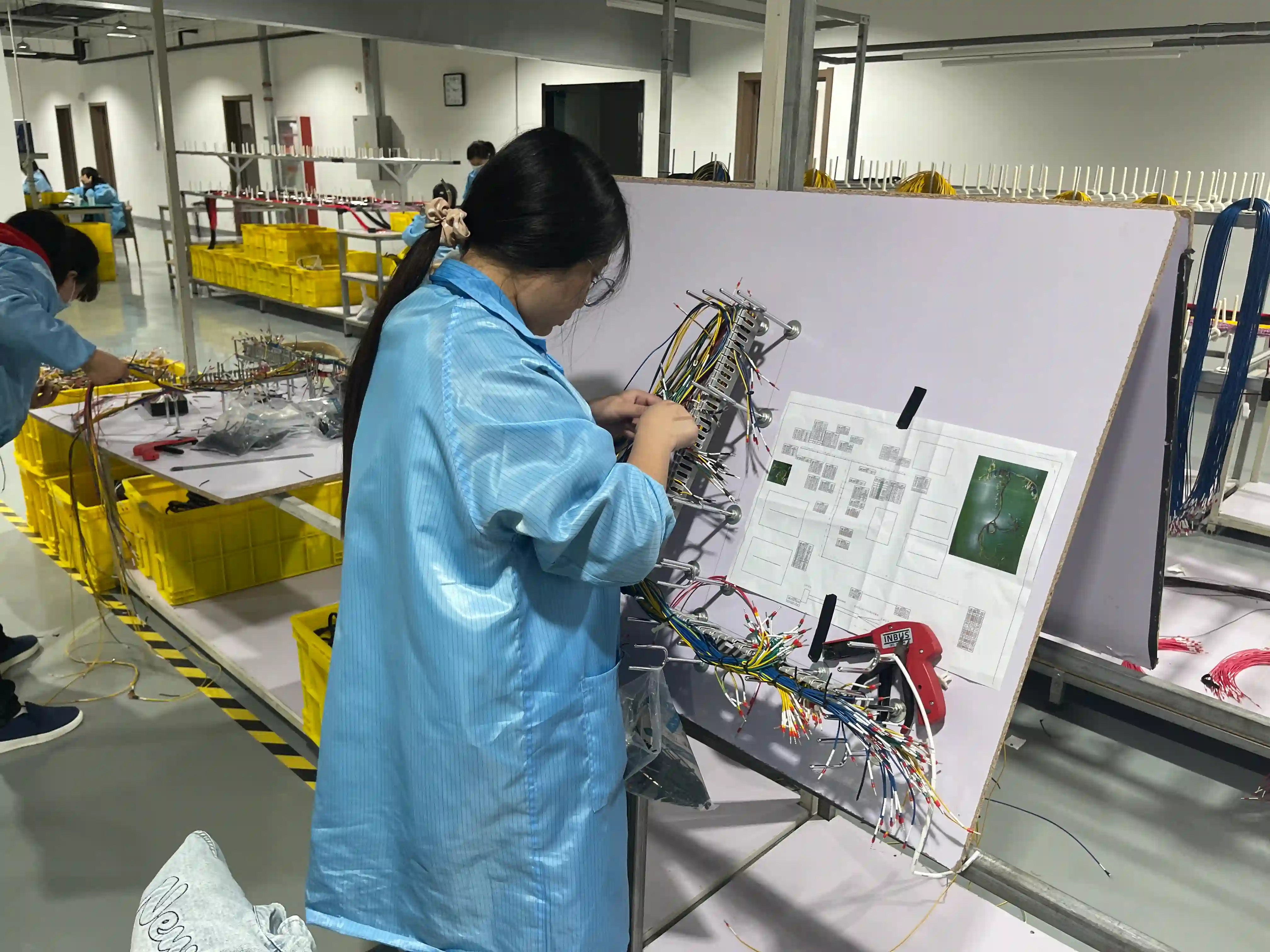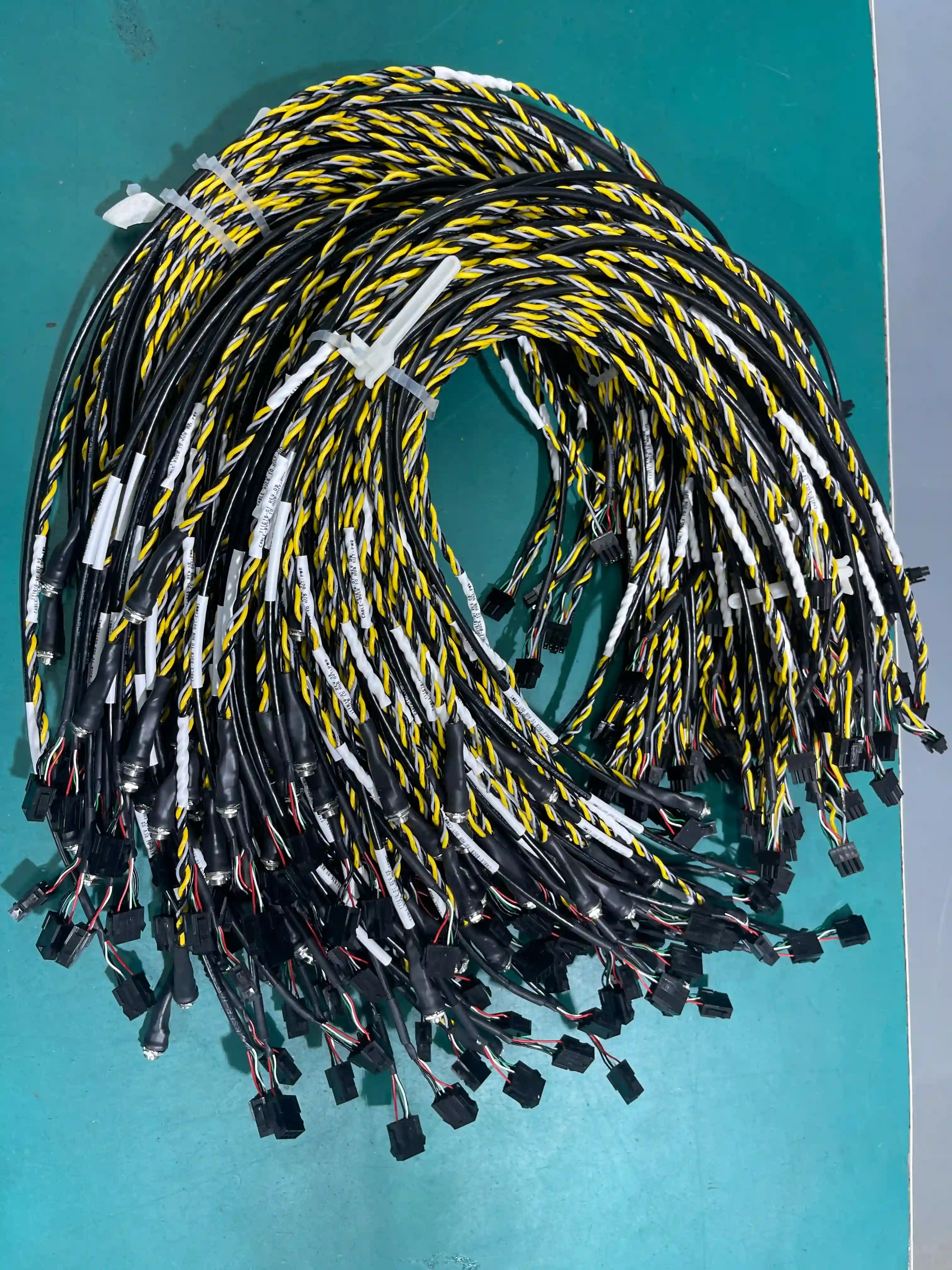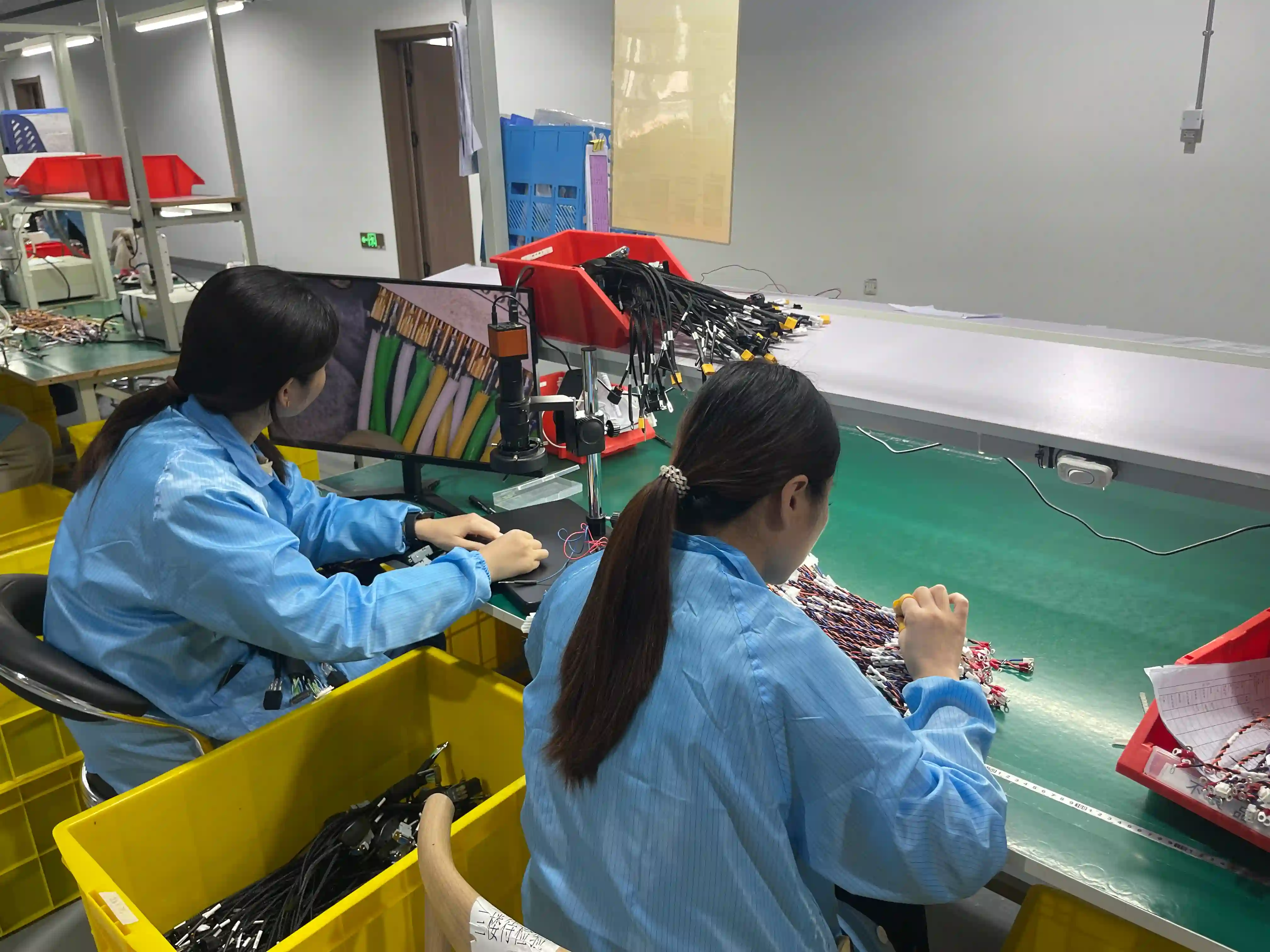
In 2025-Q4, a North American high-tech industrial client asked NorKab to build a high-temperature probe cable with stricter tolerances than its standard variant. The production release covered 1440 spools at 30 meters per spool, with tighter tolerances and a required 4-5 week lead time. The engineering problem was not only heat resistance; it was keeping every spool consistent enough for test-and-measurement equipment without stretching the delivery window.
A high-temperature probe cable release should define conductor construction, insulation rating, dimensional tolerance, spool length, marking, test method, acceptance limits, and lot traceability before production starts. If those controls are left to final inspection, the factory may discover length drift, jacket variation, or resistance mismatch after hundreds of meters are already wound.
TL;DR: release the cable by measurable limits, not by description
- Lock the tolerance window before quoting: length, OD, conductor, jacket, bend, resistance, and marking.
- For spool orders, inspect first article, in-process samples, and final reels against the same data sheet.
- Use IPC-A-620 workmanship language, UL-758 wire evidence, and ISO 9001 document control.
- For 1440 spools, release records must connect each 30-meter spool to batch, test, and pack-out data.
A high-temperature probe cable is a cable assembly designed to carry signal, power, or measurement data near heated equipment, thermal chambers, engines, process tools, or industrial sensors. Tight tolerance cable manufacturing is a production method that controls dimensions, electrical values, material identity, and spool length within agreed limits instead of relying on nominal catalogue values. Spool release control is the inspection and documentation process that proves each finished reel meets the drawing, test plan, and purchase order before shipment.
This guide is written for design engineers, quality engineers, and sourcing teams that have moved beyond supplier discovery and are preparing a production RFQ or repeat order for custom probe cables. The role behind the article is a senior factory engineer with more than 20 years in wire harness and cable assembly manufacturing. The objective is direct: show what to specify, what to measure, and what evidence to request when a high-temperature probe cable must ship in volume.
— Hommer Zhao, Grundlegger & CEO: For a 1440-spool probe cable order, the drawing must say more than high temperature. We need length tolerance, jacket limits, conductor evidence, test limits, and a release record for every 30-meter spool.
Why tight tolerances change the production plan
High-temperature probe cable programs fail when the drawing describes the environment but not the measurable release limits. A cable can survive heat exposure and still be rejected because the outer diameter is too large for the probe housing, the reel length is short, the marking is unreadable after handling, or the resistance window does not match the test fixture.
The Canadian test-and-measurement case shows the buying-stage risk. The customer needed a standard lead time while tightening the tolerance requirements across 1440 spools. At 30 meters per spool, that meant 43,200 meters of finished cable had to move through material preparation, process setup, inspection, winding, labeling, and packaging without hidden drift between early and late production lots.
The weak sourcing note is "quote a high-temperature cable with tighter tolerances." A usable RFQ says: "quote a high-temperature probe cable assembly, 30 meters per spool, define conductor and insulation materials, state OD and length tolerance, provide first-article data, run in-process dimensional checks, record final electrical test results, and release 1440 labeled spools within a 4-5 week lead time." That wording gives the supplier a buildable route.
Standards and records that frame acceptance
IPC-A-620 through IPC gives shared workmanship language for wire preparation, insulation condition, soldered or crimped terminations where used, marking, cable assembly handling, and final acceptance. It does not replace the customer drawing, but it gives the buyer and supplier a common baseline for visible cable workmanship.
UL-758 through UL is relevant when the cable specification calls for recognized appliance wiring material, temperature rating, voltage rating, or insulation traceability. For high-temperature probe cables, the RFQ should state whether UL-recognized wire is mandatory, preferred, or not required for the final application.
ISO 9001 supports controlled drawings, inspection records, nonconforming output control, and lot traceability. For automotive-adjacent or heavy-equipment projects, IATF 16949 adds useful discipline for change control and supplier development. The practical value is simple: the release packet must show which revision, material batch, process setup, and inspection method produced the shipped spools.
— Hommer Zhao, Grundlegger & CEO: IPC-A-620 gives the workmanship baseline, UL-758 supports wire rating evidence, and ISO 9001 keeps the production record tied to the correct drawing revision. Tight-tolerance cable work needs all three disciplines.
Comparison table: tolerance controls for high-temperature probe cable
| Control point | What to define | Typical release evidence | When to measure | Risk if skipped |
|---|---|---|---|---|
| Spool length | Nominal length, allowed shortage/overage, winding method | Length log for each 30-meter spool | During winding and final pack-out | Short reels disrupt installation or kit planning |
| Outer diameter | Jacket OD range and measurement points | Caliper or laser OD sample record | First article and every defined interval | Cable will not fit probe housing, gland, or clamp |
| Conductor resistance | Maximum resistance by length and temperature reference | Electrical test report by lot or spool | After cutting or before final winding | Measurement drift inside the customer's equipment |
| Insulation rating | Material, temperature class, voltage rating, color | Material certificate and incoming inspection record | Incoming material and first article | Correct geometry but wrong thermal performance |
| Marking and labels | Part number, revision, lot, length, orientation, packaging label | Label proof and finished-goods photo | First pack and final audit | Good cable becomes untraceable at receiving |
| Bend and handling | Minimum bend radius, reel core, tie method, pack protection | Packaging instruction and audit photo | Before shipment | Jacket set, conductor stress, or kinking in transit |
The table is the minimum control set I would expect before releasing a tight-tolerance spool program. The exact values must come from the drawing, application, and material data sheet. The point is to translate "tighter tolerances" into inspection fields that operators can measure.
What the RFQ must specify before production
The RFQ should start with the cable's job. Is the probe cable carrying a thermocouple signal, low-voltage sensor signal, heater power, machine feedback, or calibration data? That answer changes conductor size, shielding, insulation system, temperature rating, and test method. A supplier cannot quote risk accurately if the operating environment is reduced to one phrase.
For a high-temperature probe cable, define at least nine items: conductor material and stranding, insulation and jacket material, temperature rating, voltage rating, shield or braid requirement, finished OD tolerance, length tolerance, spool format, and final electrical test limits. If the cable uses molded ends, crimped terminals, coaxial construction, or strain relief, add those acceptance details to the same drawing pack.
NorKab's custom cable assembly capability, wire cutting capability, and cable testing capability connect directly to this RFQ stage. The quote should not separate material choice from process control; tight tolerance depends on both.
First article release: prove the process before winding volume
First article inspection should confirm that the supplier can build the cable to the released drawing before the volume run starts. For spool programs, first article is not only a cut sample. It should include a finished reel or representative wound length because winding tension, reel core size, label placement, and packaging can change the final condition of the cable.
For the 2025-Q4 order, the production challenge was maintaining the same standard 4-5 week lead time while tightening the tolerance window. The practical response is to front-load measurement. Check material certificates and incoming dimensions first, verify setup with a first-article sample, then define the in-process interval before the operator starts repeated winding.
A good first-article record includes drawing revision, material lot, measured OD, length check method, conductor resistance, insulation or dielectric check where required, marking proof, spool label, packaging photo, and approval status. That record becomes the baseline for the rest of the production run.
— Hommer Zhao, Grundlegger & CEO: The first article should include the wound condition. A cable that measures correctly on the bench can still fail the customer's receiving check if the 30-meter spool is short, mislabeled, or wound too tightly.
In-process control for 1440 spools
Volume spool production needs sampling discipline. For 1440 spools, the factory should not wait until final inspection to learn that drift started at spool 300. Define which measurements are taken at setup, at shift change, after material lot change, after tooling adjustment, and at fixed production intervals.
Dimensional checks should cover finished OD, insulation condition, jacket surface, marking position, and reel length. Electrical checks should cover continuity and resistance limits; add insulation resistance, dielectric withstand, or shield continuity when the drawing requires it. If the cable includes shielded construction, the shield drain and termination method must be checked against the drawing rather than treated as a cosmetic detail.
Use a stop rule. If OD, length, or resistance trends toward the edge of the tolerance window, production pauses for engineering review before more spools are wound. This is cheaper than sorting hundreds of finished reels after pack-out.
The release packet buyers should request
The release packet should let the buyer verify the shipped material without reconstructing the factory process from emails. For tight-tolerance probe cables, request the approved drawing, purchase order quantity, material certificates, first-article report, in-process inspection summary, final electrical test record, nonconformance log if any, pack list, and representative photos of labeled spools.
Each spool label should connect to the release data. For a 30-meter spool, useful label fields include part number, revision, lot number, length, production date, and quantity. If the customer kitting process consumes one reel per device or station, poor label discipline can create the same operational damage as a dimensional defect.
NorKab's first article inspection guide, traceability and labeling guide, and probe cable design guide cover the related evidence layers. For high-temperature cable, combine those layers into one production release packet instead of sending disconnected screenshots.
Evolve: replace vague tolerance wording with measurable release criteria
The weakest section in many cable RFQs is the tolerance sentence. A vague note says, "need tighter tolerance than standard cable." That gives the buyer no way to compare suppliers and gives the factory no measurable stop point.
A stronger note says, "build high-temperature probe cable assemblies as 1440 spools, 30 meters per spool, using the released conductor and insulation specification; record finished OD, length, conductor resistance, marking, material lot, first-article approval, in-process inspection interval, and final pack-out status; maintain the agreed 4-5 week lead time unless a nonconformance requires written customer disposition."
That substitution turns the discussion from adjectives into release criteria. It also gives sourcing a fair way to compare quotes: the lowest unit price is not useful if it excludes the inspection time needed to prove the tolerances.
References
- IPC background and IPC-A-620 context
- UL background for UL-758 material traceability context
- ISO 9000 quality-management background
- IATF 16949 quality-management background
FAQ
Q: What makes a probe cable high-temperature rated?
A high-temperature probe cable uses conductor, insulation, jacket, and marking materials selected for the operating temperature on the drawing. The RFQ should state the temperature class, voltage rating, cable length, and test method. When UL-758 wire is required, the supplier should keep material traceability in the release packet.
Q: How should I specify tolerance for a 30-meter cable spool?
Define the nominal length, allowed shortage or overage, measurement method, reel core, and label data. For a 30-meter spool program, the release record should show length control by spool or by lot, not only a generic finished-goods count.
Q: Which tests are needed for tight-tolerance probe cable assemblies?
At minimum, run continuity, conductor resistance, visual inspection, OD measurement, length verification, and label inspection. Add insulation resistance, dielectric withstand, shield continuity, or bend checks when the drawing or application requires them. The same acceptance limits should appear in the drawing and test report.
Q: Can a supplier keep a 4-5 week lead time with tighter tolerances?
Yes, if the tolerance window, material choice, inspection interval, and release evidence are agreed before production. In the 2025-Q4 case, NorKab delivered 1440 spools at 30 meters per spool within the required 4-5 week lead time by aligning the process before volume winding.
Q: What should be included in a high-temperature cable release packet?
Request the drawing revision, material certificates, first-article report, in-process inspection summary, final electrical test record, spool label proof, pack list, and nonconformance log if any. ISO 9001-style record control helps keep those documents tied to the shipped lot.
Q: When should I choose a custom cable assembly instead of catalogue wire?
Choose a custom cable assembly when catalogue wire cannot meet the combined requirements for temperature, length, OD, resistance, shielding, marking, spool format, and release evidence. Once the program reaches hundreds of spools, controlled manufacturing data often matters as much as the base material.
Need a high-temperature probe cable reviewed before production?
NorKab can review your drawing, material callout, spool length, tolerance window, test limits, labeling plan, and release packet before production starts. Contact NorKab with your cable specification, target quantity, operating temperature, drawing revision, and delivery window so our engineering team can map a controlled production route.