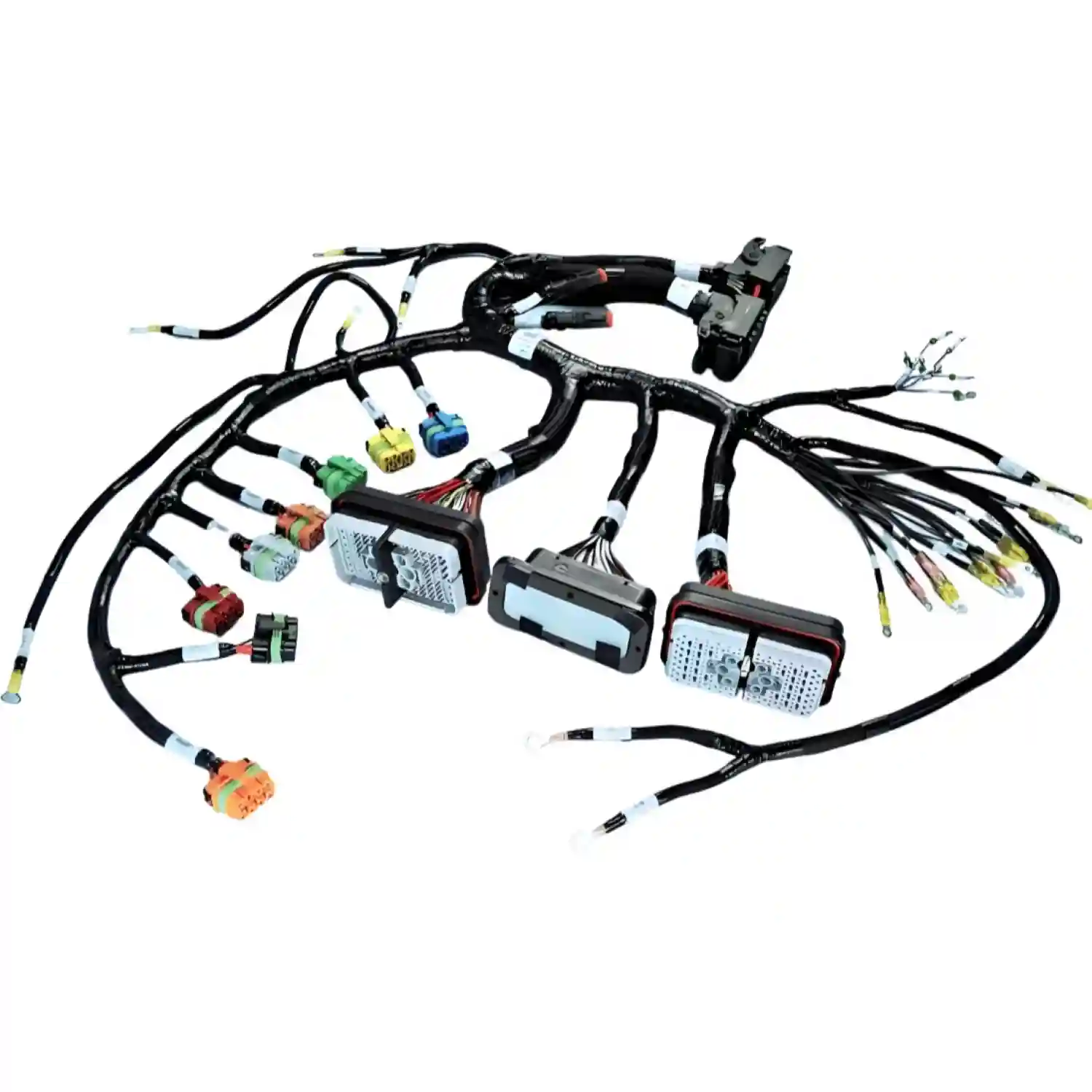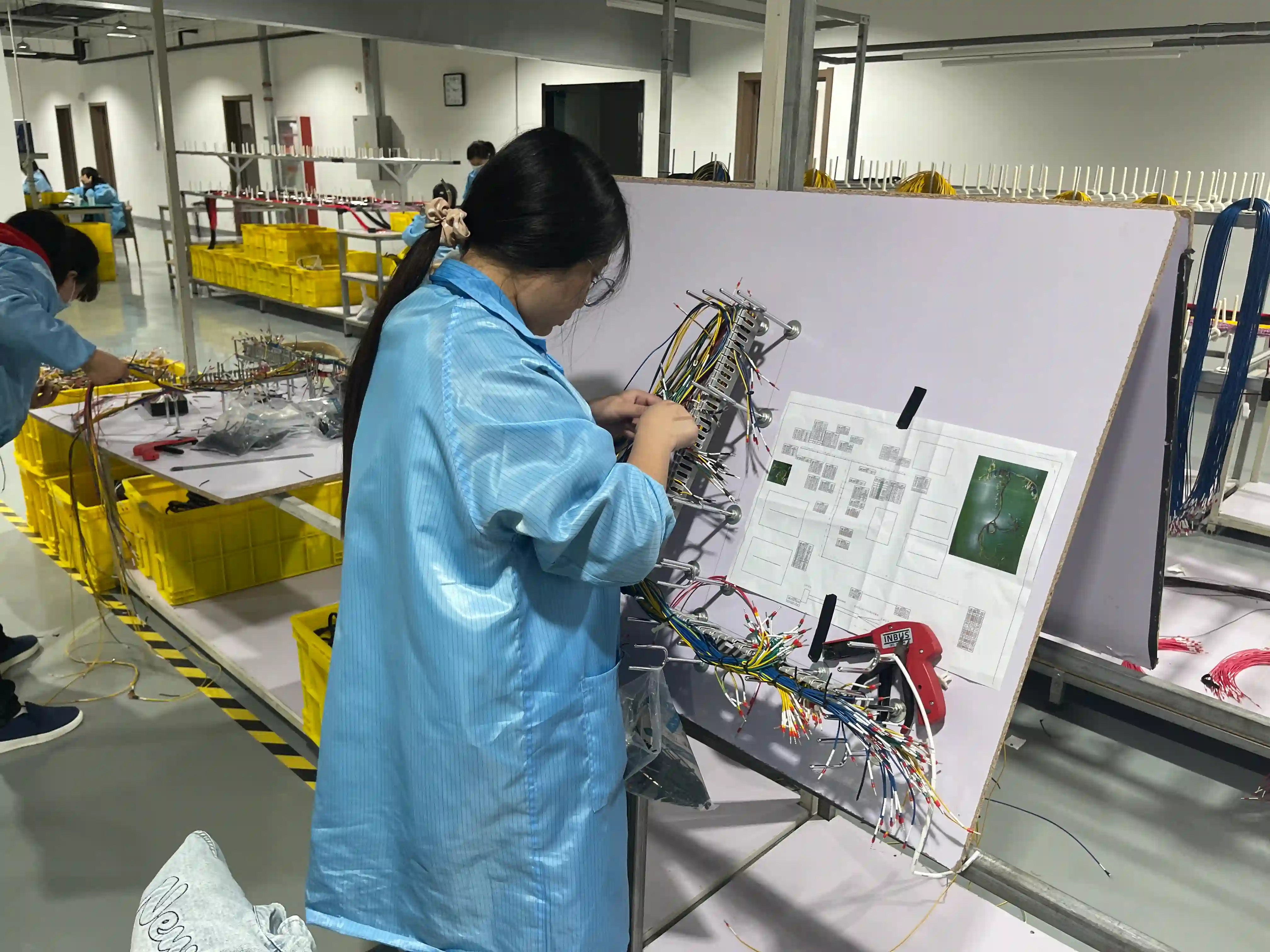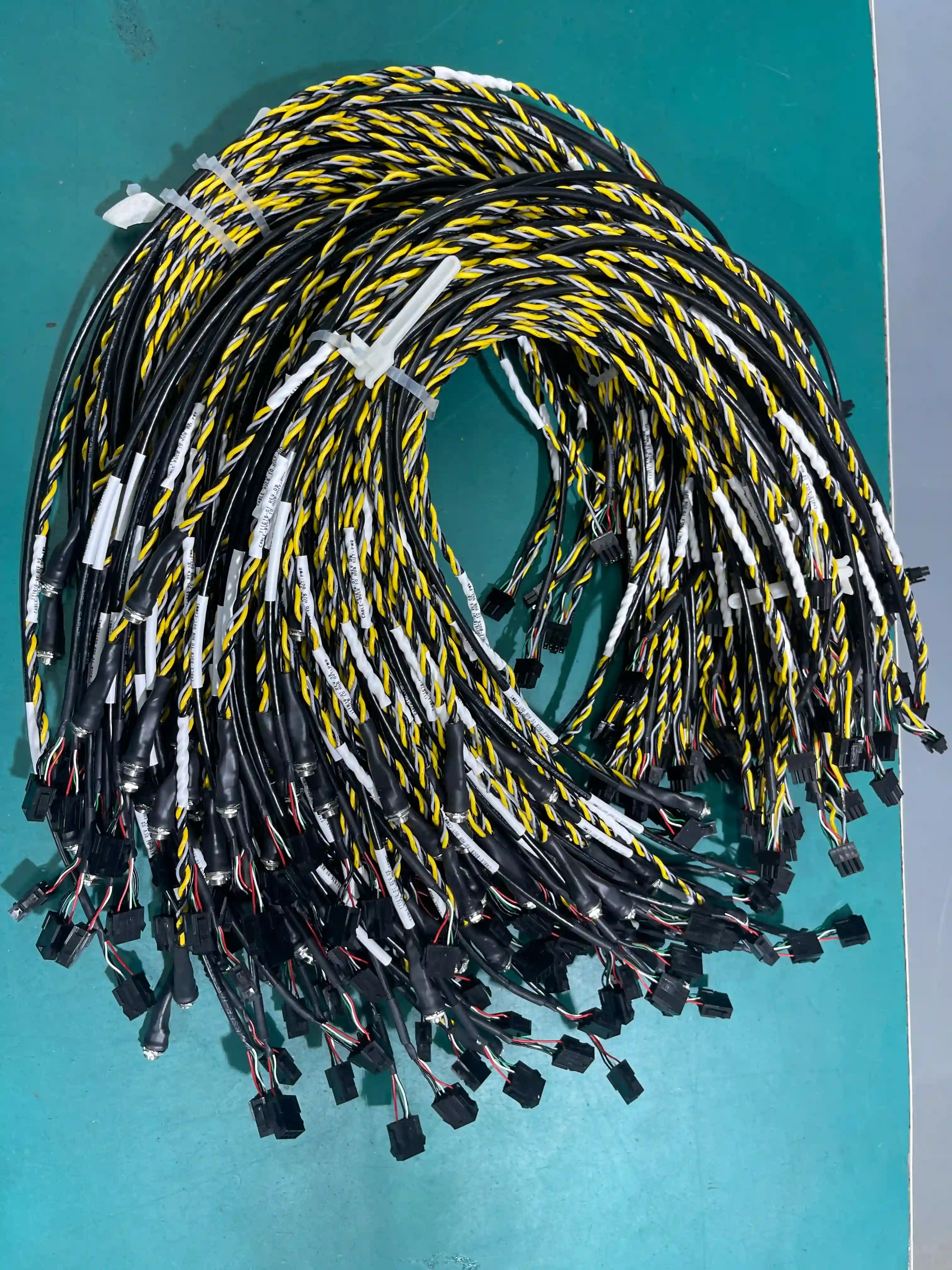
In a 2025-Q3 to 2026-Q1 US marine OEM sourcing program, a boat systems manufacturer asked NorKab to prove whether an overseas wire harness supplier could match an incumbent's weekly delivery requirement. The buying process was not a simple price check: the customer issued 6 separate RFQs, ran a 64-email technical thread, expected 1-2 day response time, and needed tariff mitigation plus cost competitiveness before releasing tooling and prototypes.
A marine wire harness RFQ for weekly delivery should define the harness construction, approval evidence, forecast window, buffer stock rules, shipment cadence, tariff assumptions, and change-control path before the buyer compares unit prices. If the RFQ treats logistics as an afterthought, the quote can pass engineering review but fail the boat line when the first weekly release is due.
TL;DR: weekly delivery must be engineered into the RFQ
- Ask suppliers to quote the harness, test evidence, buffer stock, and weekly release model together.
- Use IPC-A-620 workmanship criteria, UL-758 wire evidence, and IATF 16949-style change control.
- Separate prototype tooling, launch stock, safety stock, and repeat weekly releases in the commercial file.
- For marine programs, moisture protection and packaging rules belong in the first RFQ, not shipment week.
A marine wire harness is an electrical interconnect assembly designed for boats, marine electronics, power distribution, audio systems, pumps, lighting, engines, or control modules exposed to vibration, moisture, salt air, and service work. Weekly delivery scheduling is a supply plan where approved harness lots are released at a fixed weekly cadence instead of one large shipment. Buffer stock is a pre-positioned inventory reserve sized to protect the customer's production line from transit delay, customs delay, supplier capacity swings, or forecast changes.
This guide is written for marine OEM engineers, sourcing managers, and supply-chain teams that are already past basic supplier discovery and are deciding whether a new harness supplier can support repeat production. The role behind the article is a senior factory engineer with more than 20 years in wire harness and cable assembly manufacturing. The objective is practical: show what to put into the RFQ so the supplier can quote a buildable harness and a realistic weekly delivery system.
— Hommer Zhao, Grundlegger & CEO: When a marine customer asks for weekly delivery, I want the RFQ to show the forecast, buffer stock target, test records, and packaging method together. A low harness price cannot rescue a missing release plan.
Why weekly delivery changes the RFQ
Marine OEM production often has uneven demand. One boat model may consume harnesses for pumps, helm controls, lighting, audio, sensors, and battery circuits in small but repeated batches. Another model may require a different branch length, connector family, label set, or waterproofing detail. A supplier can build a correct sample and still miss the business need if the release plan is unclear.
The US marine case shows the buying-stage risk. The customer was comparing a new overseas supplier against incumbents that already supported weekly deliveries. That meant engineering quality, quote responsiveness, tariff planning, and logistics design were evaluated at the same time. The 6 separate RFQs and 64-email technical thread were not paperwork noise; they were the mechanism for converting open questions into a controlled supply plan.
The weak RFQ wording is "quote harnesses for weekly delivery." The concrete substitution is: "quote each harness by drawing revision and BOM, state prototype and tooling lead time, define launch stock, propose buffer stock for the weekly release cadence, list tariff and freight assumptions, and confirm 100% electrical test plus packaging evidence before each shipment." That wording gives engineering, purchasing, and logistics the same target.
Standards and records that support marine harness supply
IPC-A-620 through IPC gives shared workmanship language for wire preparation, crimp height evidence, insulation support, soldered wire connections where allowed, marking, sleeving, tie spacing, and final assembly acceptance. For a marine harness RFQ, it helps the buyer state acceptance expectations before weekly lots start moving.
UL-758 through UL is relevant when the drawing calls for recognized appliance wiring material, insulation rating, voltage rating, temperature class, or wire traceability. Marine programs often include high-current, pump, lighting, or control circuits, so the RFQ should state whether UL-recognized wire is mandatory or only preferred.
IATF 16949 is an automotive quality-management standard, but its change-control mindset is useful for marine harness programs with repeated weekly releases. ISO 9001 supports document control, purchasing control, nonconforming output control, and record retention. The RFQ should name which records the buyer expects: first article inspection, continuity reports, crimp validation, packaging photos, and revision-controlled travelers.
— Hommer Zhao, Grundlegger & CEO: IPC-A-620 controls how the harness is judged; UL-758 controls the wire evidence when the customer specifies it; the weekly delivery plan controls whether good parts arrive when the boat line needs them.
Comparison table: what marine OEM buyers should ask in the RFQ
| RFQ area | Buyer should define | Supplier should return | Risk if missing | Evidence to keep |
|---|---|---|---|---|
| Harness revision | Drawing, BOM, connector list, branch lengths, labels, and release date | Gap list within 1-2 days for urgent programs | Weekly deliveries start with mixed revisions | Revision log and approved drawing set |
| Moisture protection | Sealed connectors, heat shrink, boots, conduit, grommets, or overmolded exits | Material choices and process routing | Harness passes continuity but fails in wet service | Material matrix and sample photos |
| Electrical test | Continuity, shorts, resistance limits, diode checks, and label scan if needed | Fixture concept and test-time estimate | Shipment cadence hides fixture or cycle-time cost | 100% test records by lot |
| Buffer stock | Weekly usage, launch stock, minimum stock, maximum stock, and review rhythm | Advance ordering strategy and replenishment trigger | Customs delay stops the boat line | Inventory report and release schedule |
| Tariff and freight | Incoterms, destination, freight mode, tariff exposure, and split-shipment rules | Landed-cost assumptions, air/sea options, and risk notes | Unit price looks low but landed cost misses budget | Commercial assumption register |
| Change control | Approval path for wire color, connector alternates, labels, and packaging | Deviation request format and response owner | Fast weekly releases carry undocumented substitutions | ECO, deviation, and approval record |
This table helps the buyer compare suppliers on the same work scope. One supplier may quote only harness assembly labor. Another may include tooling, fixture work, launch stock, packaging, freight planning, and weekly release administration. Those are different offers, even if the part number is the same.
How to size buffer stock without hiding quality risk
Buffer stock should protect delivery timing, not cover poor process control. Start with the weekly usage rate, transit time, customs variability, forecast volatility, and supplier replenishment lead time. Then separate approved finished-goods stock from work-in-process and raw connector stock. A buyer should know which stock is fully tested and ready to ship.
In the marine case, NorKab proposed an advance ordering strategy because weekly delivery from an overseas factory cannot rely on one shipment at a time. A practical plan may hold several weekly releases as finished or near-finished stock, then replenish against the forecast. The supplier should still keep lot traceability, revision identity, and test evidence for every release.
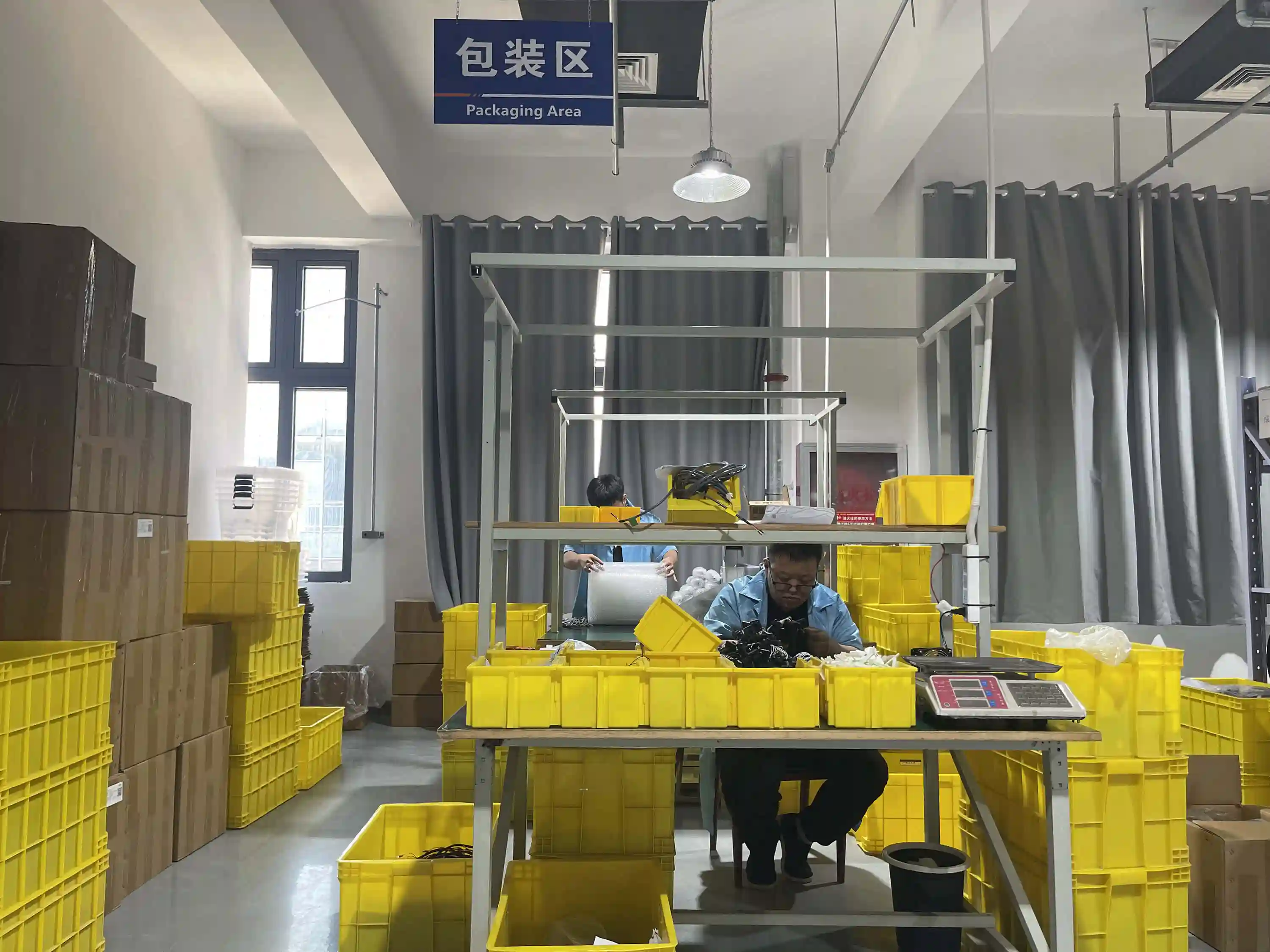
For wet or vibrating boat environments, the stock plan must also protect the physical harness. Packaging should control bend radius, connector cap damage, label abrasion, and moisture exposure during storage and freight. NorKab's marine wire harness manufacturing page covers the operating environment, while the waterproof wire harness service explains sealed transitions, grommets, boots, and overmolded sections.
Technical clarification: the 64-email thread was a control process
A long email thread can look inefficient from the outside. In a high-mix marine RFQ, it may be the only way to remove risk before tooling. The customer needs answers on connector alternates, wire color, protective sleeve, branch lengths, audio-system interfaces, tariff exposure, delivery cadence, and cost targets. Each answer should become a controlled assumption or a drawing update.
For custom harness builds, the supplier's first response should not be a blind quote. It should be a gap list with exact questions: which drawing revision is active, which connector brands are approved, whether sealed cavities need plugs, whether cable labels need UV resistance, whether the weekly delivery requirement starts at prototype approval or mass production, and whether the buyer expects incoming inspection reports with each release.
Related NorKab services can support those decisions. The custom wire harness page explains drawing-to-production work. The crimping capability page covers terminal process control. The wire harness testing page shows why continuity, shorts, resistance, and fixture records must be defined before release scheduling starts.
— Hommer Zhao, Grundlegger & CEO: A 64-email RFQ thread is acceptable if every message closes a risk. It is not acceptable if the final quote still hides connector alternates, test scope, tariff assumptions, or weekly stock responsibility.
Tariff and landed-cost questions belong beside engineering questions
Marine buyers often compare an incumbent local supplier with an overseas manufacturer. The overseas unit price may be attractive, but the buyer needs landed-cost visibility before changing suppliers. Tariffs, freight mode, customs brokerage, duties, carton dimensions, shipment frequency, and emergency air freight can change the real cost of a weekly delivery program.
The RFQ should ask suppliers to split prototype, tooling, fixture, production, packaging, freight, and buffer-stock costs. It should also ask what happens when demand changes: whether the buyer owns finished stock, whether unused stock can roll to the next model, how revision changes affect old inventory, and who approves connector alternates during shortage conditions.
For purchasing teams, the useful comparison is not "local supplier price vs overseas supplier price." The useful comparison is "controlled landed cost per approved weekly release." That number includes manufacturing quality, test evidence, buffer stock, response time, and freight resilience.
Evolve: replace vague weekly-delivery wording with controlled wording
The weakest section in many marine harness RFQs is the logistics note. A vague note says, "supplier must support weekly delivery." It gives no forecast, no stock ownership rule, no inventory target, no customs assumption, and no revision-change rule.
A stronger note says, "supplier shall quote marine wire harnesses against drawing revision X and BOM revision Y, with tooling and prototype timing separated from production pricing. Supplier shall propose an advance ordering strategy for the weekly delivery requirement, identify launch stock and minimum finished-goods buffer, provide 100% electrical test records by lot, state tariff and freight assumptions, and answer RFQ clarifications within 1-2 days during launch."
That wording does not guarantee supplier selection. It makes the supplier's operating model visible before the buyer commits to tooling.
FAQ
Q: What should a marine wire harness RFQ include for weekly delivery?
Include the drawing revision, BOM, connector list, wire gauge and color, sealed components, test requirements, packaging method, weekly usage rate, launch stock target, buffer stock rule, freight terms, and change-control contact. For urgent programs, ask for a 1-2 day technical gap response before final pricing.
Q: How much buffer stock should a marine OEM request?
The correct buffer depends on weekly usage, transit time, customs variability, forecast stability, and replenishment lead time. A practical RFQ should request the supplier's minimum finished-goods buffer and maximum stock exposure, then review it against the weekly delivery requirement before launch.
Q: Which standards should be named for marine harness workmanship?
Name IPC-A-620 for wire harness workmanship and UL-758 when UL-recognized wire or insulation evidence is required. ISO 9001 document control and IATF 16949-style change control are useful for repeated weekly releases and revision discipline.
Q: Why do marine harness RFQs need packaging details?
Packaging protects connector latches, labels, bend radius, sealed interfaces, and branch routing during storage and freight. A weekly program can ship many small lots, so packaging damage repeated across 6 or more releases can become a production problem.
Q: How should tariff risk be handled in a wire harness quote?
Ask the supplier to state Incoterms, freight mode, destination, tariff assumptions, emergency air-freight option, and split-shipment rules. The buyer should compare landed cost per approved weekly release, not only the unit price on the harness line.
Q: What test evidence should ship with weekly harness releases?
Each release should have lot traceability, 100% continuity and shorts test records, revision identity, label verification, and any resistance or diode-check evidence required by the drawing. First article photos should be completed before the first production release.
Need a marine harness RFQ reviewed before weekly launch?
NorKab can review your marine wire harness drawings, BOM, connector choices, moisture-protection details, test plan, packaging method, tariff assumptions, and weekly delivery model before supplier nomination. Contact NorKab with your RFQ package, target weekly usage, launch date, destination, and open technical questions so our engineering team can return a practical quote path and risk list.